Big global names are landing in Malaysia with hyper-local playbooks — and the brands that understand this shift will own the next chapter of beauty here.
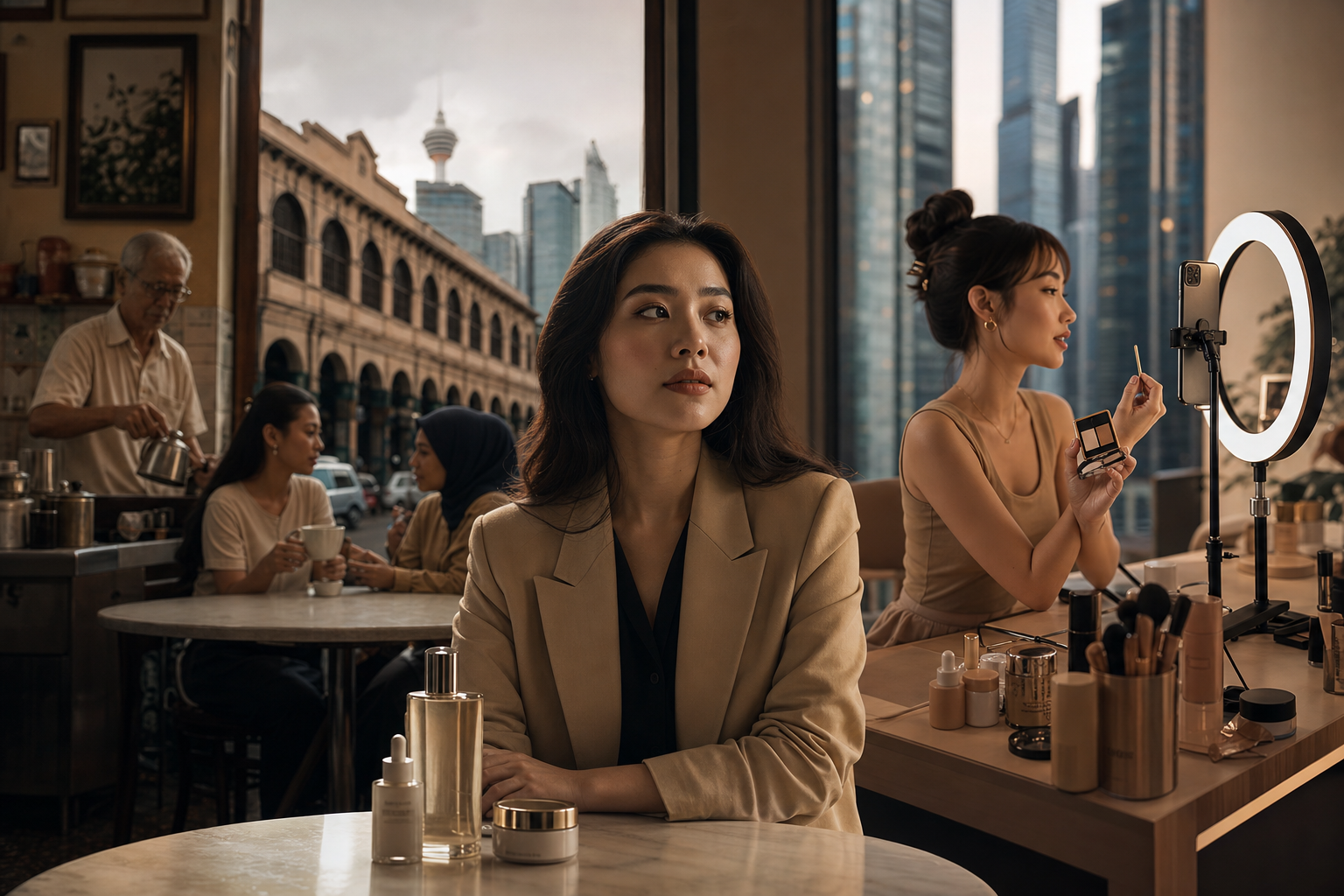
YSL Beauty launched its Malaysia TikTok Shop not with a polished studio set or a celebrity livestream, but inside a Bukit Bintang kopitiam. That detail alone tells you everything about where Malaysian beauty marketing is headed in 2026.
The industry here isn't simply growing — it's getting more creative, more channel-savvy, and frankly, more interesting. For marketers and brand managers tracking this space, the signals right now point to a market in genuine transition, not just incremental growth.
Global Brands Are Playing a Very Local Game
Two big international moves landed in the same news cycle this month. YSL Beauty's Malaysia TikTok Shop launch via a kopitiam takeover was a deliberate cultural signal — luxury reaching down to street level, not just listing products on an app. Separately, InNature confirmed it is bringing Yves Rocher to Malaysia, adding French natural cosmetics to a market already crowded with European prestige players.
Both moves reflect the same underlying strategy: international brands are no longer assuming their global equity travels automatically. They're earning relevance here by meeting Malaysians in genuinely familiar spaces — the neighbourhood coffee shop, the short-form video feed, the weekend mall pop-up.
For local brand managers, this is both a challenge and a useful data point. If YSL feels it needs a kopitiam to win trust on TikTok, your brand almost certainly needs a channel and cultural fit strategy that goes deeper than just posting product shots.
The Shopee Skincare Data Is Telling You Something
According to Statista's March 2024 data on skincare segments on Shopee Malaysia, facial skincare — moisturisers, serums, and sunscreens — continues to dominate platform share by a significant margin over body care and lip care. This isn't surprising on its own. What's worth paying attention to is how this translates to brand behaviour on the ground.
Watsons Malaysia, for instance, has been quietly expanding its in-app experience alongside its physical pharmacy retail — a dual-channel approach that lets it capture both the browse-and-compare digital shopper and the walk-in customer who still wants to smell the toner before buying. Guardian Malaysia runs a similar playbook. The interesting question isn't which channel wins; it's which brands have figured out that these channels serve different emotional moments in the purchase journey.
Safi and Sendayu Tinggi — two heritage Malaysian brands with strong halal positioning — have been navigating this dual reality for years. Their resilience in a market increasingly flooded by K-beauty and European imports comes precisely from understanding that their core customer shops both on Shopee and at the local pharmacy, often comparing prices between the two within the same hour.
For brands scaling their cosmetics operation here, DHL's 2026 guide to scaling in the Malaysian cosmetics industry is a practical read — it walks through regulatory, logistics, and distribution realities that marketers often underestimate when entering or expanding here.
B2B Is Getting Its Moment Back
All the consumer-facing noise around TikTok Shop launches and influencer hauls can distract from something equally important: Malaysia's beauty trade infrastructure is quietly booming.
Cosmobeauté Malaysia and beautyexpo 2026 returns to KLCC as a major B2B event aimed at connecting manufacturers, distributors, and brand owners across the region. With the International Beauty Expo (IBE) 2026 also on the calendar, there's a real convergence of trade and consumer interest happening simultaneously — which is unusual and worth watching.
This matters to marketers because trade expos aren't just deal-making venues anymore. They're where ingredient trends get signalled months before they appear in retail, where new Malaysian indie brands like Velvet Vanity get their first serious wholesale conversations, and where you can read the competitive landscape in a single afternoon walk of the floor. If your brand isn't showing up or at least sending someone to observe, you're reading last year's map.
Bernama has been tracking the growing footprint of Malaysian beauty exports in ASEAN markets, and the consistent theme is that brands with strong B2B relationships at home tend to scale regionally faster — because they've already stress-tested their supply chains and pricing models.
Creator Content Is the Distribution Layer Nobody Should Ignore
Here's the thing about the YSL kopitiam moment that most post-mortems will miss: the physical activation was designed to generate creator content, not just foot traffic. The brand knew that Malaysians with cameras — nano-influencers, lifestyle YouTubers, TikTok regulars — would do the storytelling work if the backdrop was interesting enough.
This is the new distribution logic for beauty in Malaysia. The product is the category; the content is the channel. Sephora Malaysia has understood this for a while, leaning into its in-store try-on experiences as content fodder as much as sales drivers. SimplySiti, with its loyal Malay Muslim customer base, has built an entire creator ecosystem around authenticity and community trust rather than production polish.
For brands that want to build this kind of creator layer systematically rather than ad-hoc, platforms like Creamatch — Malaysia's managed creator content platform — offer a structured way to match brands with the right voices, manage content pipelines, and measure what's actually driving conversion rather than just vanity metrics. The shift from one-off influencer deals to ongoing creator relationships is one of the clearest operational changes happening in Malaysian beauty marketing right now.
You can track how different brands are activating across these channels through Verbrol Pulse, which surfaces real-time movement in brand conversation and content engagement across the Malaysian market.
What Marketers Should Actually Do With All of This
The Malaysian beauty market in mid-2026 rewards specificity. Vague lifestyle positioning, generic "clean beauty" claims, and untargeted TikTok spending are all burning budget without building brand. The brands winning — locally and among incoming international players — are doing a few things consistently:
- Earning cultural fluency first. Not just translating campaigns into Bahasa Malaysia, but building moments (yes, even a kopitiam) that feel genuinely Malaysian.
- Treating Shopee and physical retail as complementary, not competing. The customer moves between both; the brand's job is to show up coherently in each.
- Investing in creator relationships before they need them. Reactive influencer spending during a launch is expensive and inefficient. Ongoing creator communities are cheaper and more credible.
- Showing up at trade level. Cosmobeauté and IBE 2026 aren't just for manufacturers — they're intelligence-gathering opportunities for anyone serious about this market.
- Reading the regulatory environment. Free Malaysia Today has been covering tightening halal certification requirements and ingredient scrutiny that will affect imported brands especially. This isn't just compliance — it's a market shaping force.
The Malaysian beauty market has always been sophisticated. What's changed in 2026 is that the tools for winning here — creator content, live commerce, trade networks, dual-channel retail — have all matured at the same time. The brands that treat this moment as business-as-usual will find themselves outpaced by newcomers who came in with fresh eyes and a willingness to learn from a kopitiam.
Track Beauty trends in real-time at verbrol.com
Read more on Verbrol Intelligence: