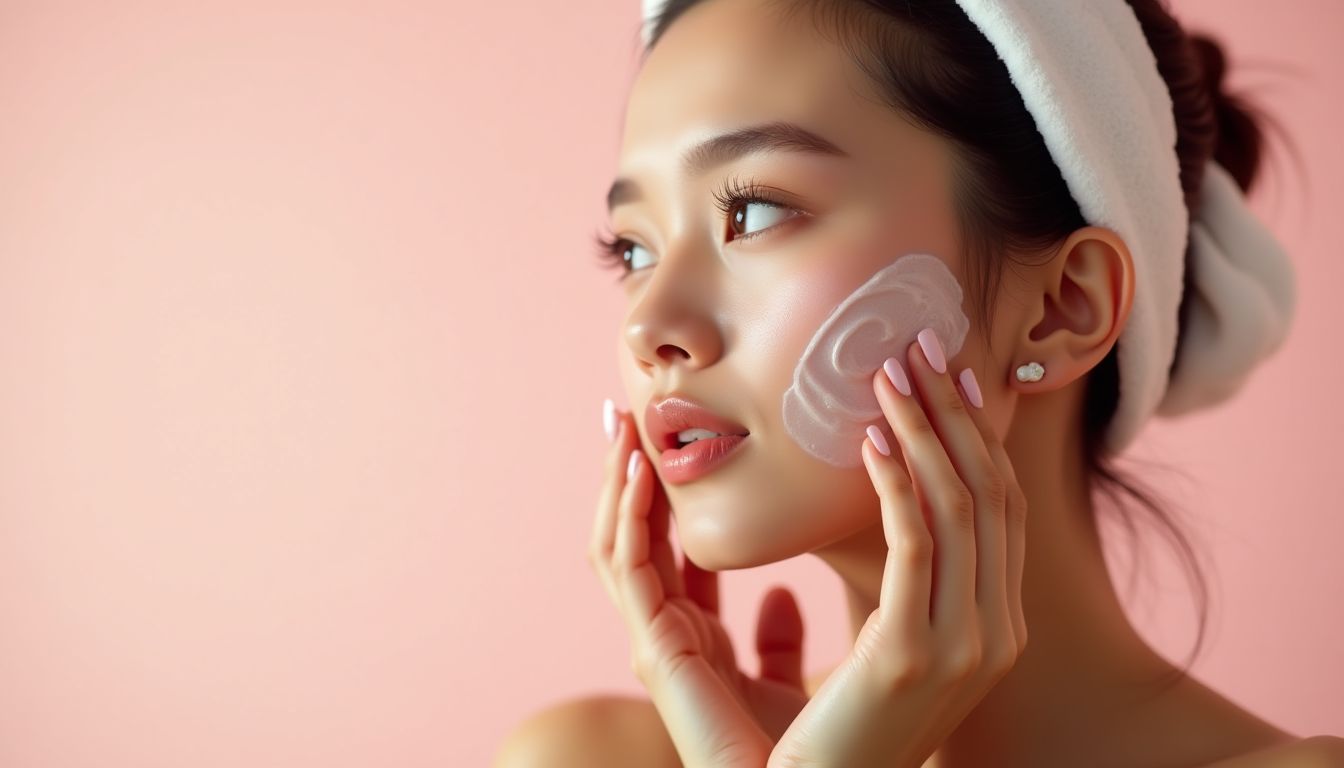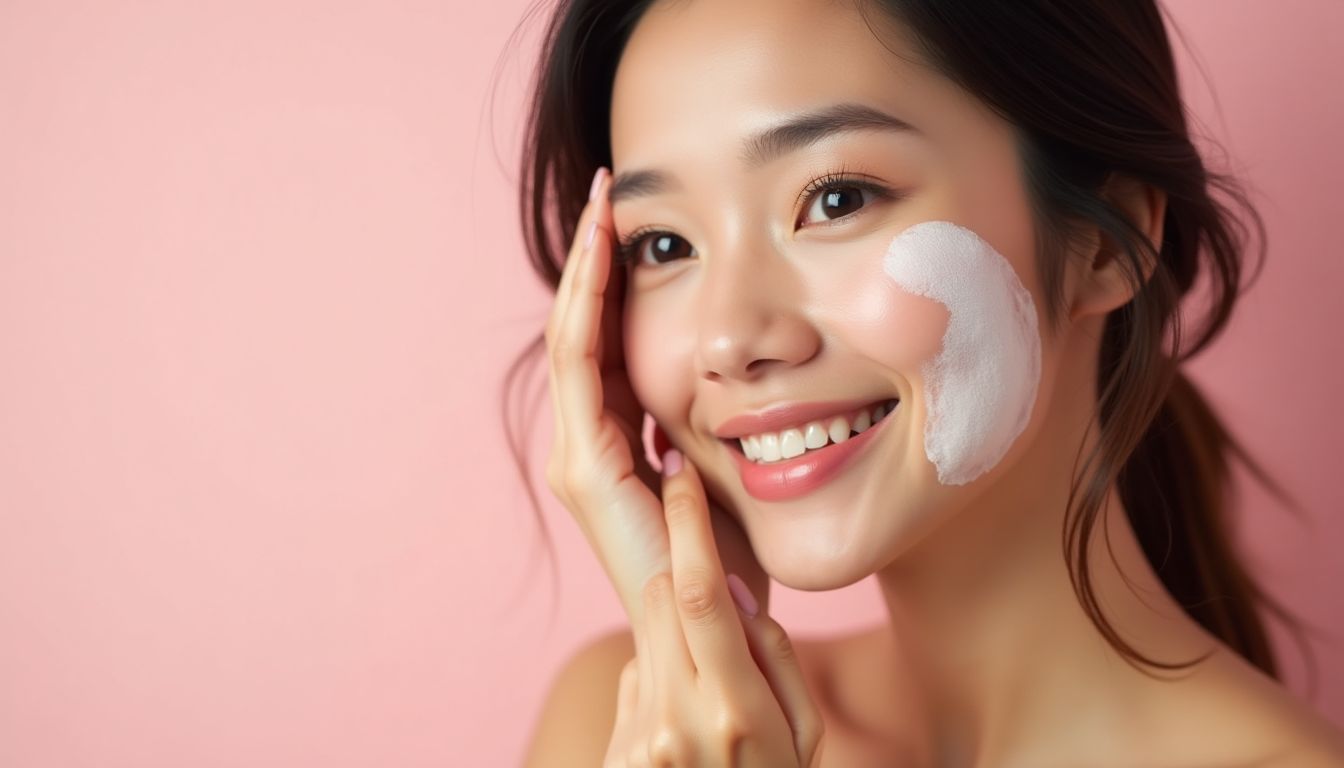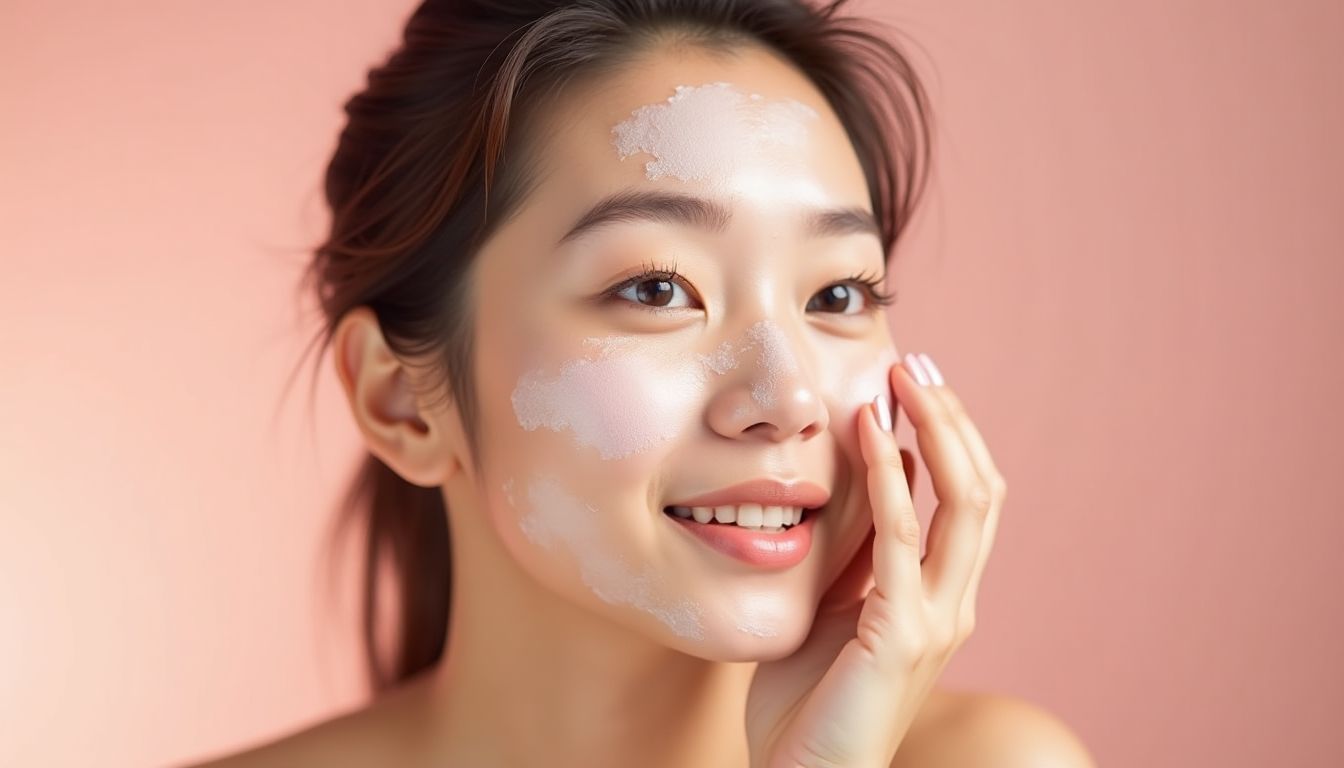
Global prestige is knocking on Malaysia's door — but the brands winning here are the ones fluent in both international glamour and deeply local sensibility.
There is a particular kind of afternoon in Bukit Bintang that tells you everything about where Malaysian beauty is heading. Last month, YSL Beauty did not open a pop-up in a glass-and-marble atrium. Instead, it staged a kopitiam takeover — rattan chairs, condensed milk aesthetics, TikTok cameras rolling — to launch its Malaysia TikTok Shop. The message was elegant in its contradiction: a French maison, presented through the grammar of Malaysian nostalgia, sold on a Chinese-owned short-video platform. Welcome to the beauty market that refuses to be legible in a single register.
For marketers and brand managers operating in this space, that contradiction is not a problem to be resolved. It is the strategy.
The Dual Fluency Driving Growth
Malaysia's beauty industry has never been a passive recipient of global trends. It filters, adapts, and occasionally redirects them. Nowhere is this more visible than in the ongoing love affair with Korean beauty, which has graduated from a trend into something closer to an infrastructure.
Korean beauty innovation is now embedded in Malaysia's growing industry demand — not simply as imported product lines but as a formulation philosophy that local brands are now internalising. Retailers like Watsons Malaysia and Sephora Malaysia have structured entire category floors around K-beauty adjacency, understanding that the consumer who reaches for a Korean essence is also a consumer primed for prestige, efficacy, and the kind of ritualistic skincare that converts browsers into loyalists.
At the same time, the halal beauty segment continues its quiet, confident expansion. Brands like Safi and Sendayu Tinggi are not simply playing a compliance game — they are building a vocabulary of clean-meets-culturally-resonant that has genuine global export potential. According to The Star, industry conversations increasingly frame Malaysia not as a market to be entered but as a formulation and certification hub for the wider Muslim-majority world. That is a different kind of power, and it belongs to brands who understood the local consumer before the multinationals did.
Where Commerce Is Actually Happening
The distribution map has been redrawn, and brick-and-mortar, while not irrelevant, is no longer the primary arena of discovery. TikTok Shop has moved from experiment to essential channel with remarkable speed. YSL Beauty's kopitiam activation is instructive precisely because it was not a digital-only play — it used physical theatre to generate social content, understanding that in 2026, the store is a content studio first and a transaction point second.
Shopee remains the dominant e-commerce layer for mass and masstige beauty in Malaysia, with its beauty category among the most competitive on the platform. Guardian Malaysia and Caring Pharmacy have both invested in their digital storefronts, recognising that the consumer journey increasingly begins on a phone screen and ends — if the brand is fortunate — with a repeat purchase that never requires stepping outdoors.
For brands investing in creator-led content, the sophistication of execution now matters as much as the reach of the creator. Platforms like Creamatch, Malaysia's managed creator content platform, are helping beauty brands move beyond raw follower counts toward content quality, audience alignment, and genuine conversion — the metrics that actually justify a campaign budget in a crowded feed.
L'Oréal's recently announced partnership with OpenAI to address what the brand calls "the 11-minute paradox" — the gap between a consumer's beauty intent and their completed purchase — is a signal worth watching closely. If the world's largest beauty group is deploying AI to compress the discovery-to-decision journey, Malaysian brand managers should be asking what their own version of that infrastructure looks like, even at a fraction of the scale.
The Collaboration Economy and the New Aesthetic Logic
One of the more quietly elegant developments in the Malaysian market is the cross-category collaboration that blends beauty with lifestyle adjacencies. ORBIS Malaysia's partnership with Vanilla Crepe, blending skincare with a milk-inspired dessert aesthetic, is the kind of activation that earns column inches precisely because it refuses to be categorised neatly. It is beauty as cultural experience, which is exactly what the Malaysian consumer — sophisticated, visually literate, and deeply social — responds to.
SimplySiti has long understood this logic, building a brand identity that is as much about aspiration and personal narrative as it is about product performance. Velvet Vanity has taken a different route, cultivating a niche community of colour-obsessed consumers who treat makeup as a form of self-expression rather than enhancement. Both approaches are working, and both are locally specific in ways that a globally templated brand strategy cannot easily replicate.
The nails category deserves a particular mention here. Statista's data on the Malaysian nails segment points to a category growing well above the broader beauty average, driven by a combination of nail art culture, accessible at-home gel kits, and the kind of highly photographable outcomes that thrive on social feeds. For any brand with a colour or finish-forward positioning, this is an underinvested opportunity.
A Field Guide: What Brand Managers Should Be Doing Now
The signals from across the market converge on a few clear directions for anyone serious about the Malaysian beauty opportunity in the second half of 2026:
-
Own a cultural context, not just a category. The brands gaining ground here are fluent in Malaysian life — its aesthetic references, its community structures, its dual-language social grammar. Global playbooks need local translation, not just local translation of copy.
-
Treat TikTok Shop as a flagship, not an afterthought. The platform's beauty category is growing faster than any other vertical. If your brand's TikTok presence is still in testing mode, you are already behind the curve set by brands like YSL Beauty.
-
Invest in content quality over content volume. The Malaysian beauty consumer is not easily impressed by production value alone — she is looking for authenticity, specificity, and the sense that a creator genuinely understands her skin, her concerns, her aspirations. Managed creator partnerships that prioritise fit over reach are consistently outperforming spray-and-pray influencer campaigns.
-
Watch the halal-luxury convergence. The idea that halal beauty is a mass or value-segment play is increasingly outdated. The next chapter is premium halal, and the brands who build that positioning now will be extraordinarily difficult to displace later.
-
Monitor the AI-in-beauty signal. L'Oréal's OpenAI partnership is not a curiosity — it is a preview of how the consumer journey will be engineered at scale. According to Bernama, Malaysia's digital economy ambitions include AI integration across retail sectors, and beauty is a natural early adopter given its data richness and high purchase frequency.
For brand teams who want to stay calibrated to how these movements are evolving in real time, Verbrol Pulse tracks the sentiment, engagement, and competitive signals that matter most to marketers operating in Southeast Asia's beauty space.
The Malaysian beauty market in 2026 is not one market. It is several overlapping ones — halal and prestige, digital and experiential, local and global — and the brands that will define this decade are precisely those comfortable holding all of those tensions at once, without resolving them prematurely into something simpler and smaller than the opportunity actually is.
Track Beauty trends in real-time at verbrol.com
Read more on Verbrol Intelligence: