Big records are being broken and regulators are finally paying attention — the Malaysian creator economy is entering a new, more serious phase, and brands that don't adapt will get left behind.
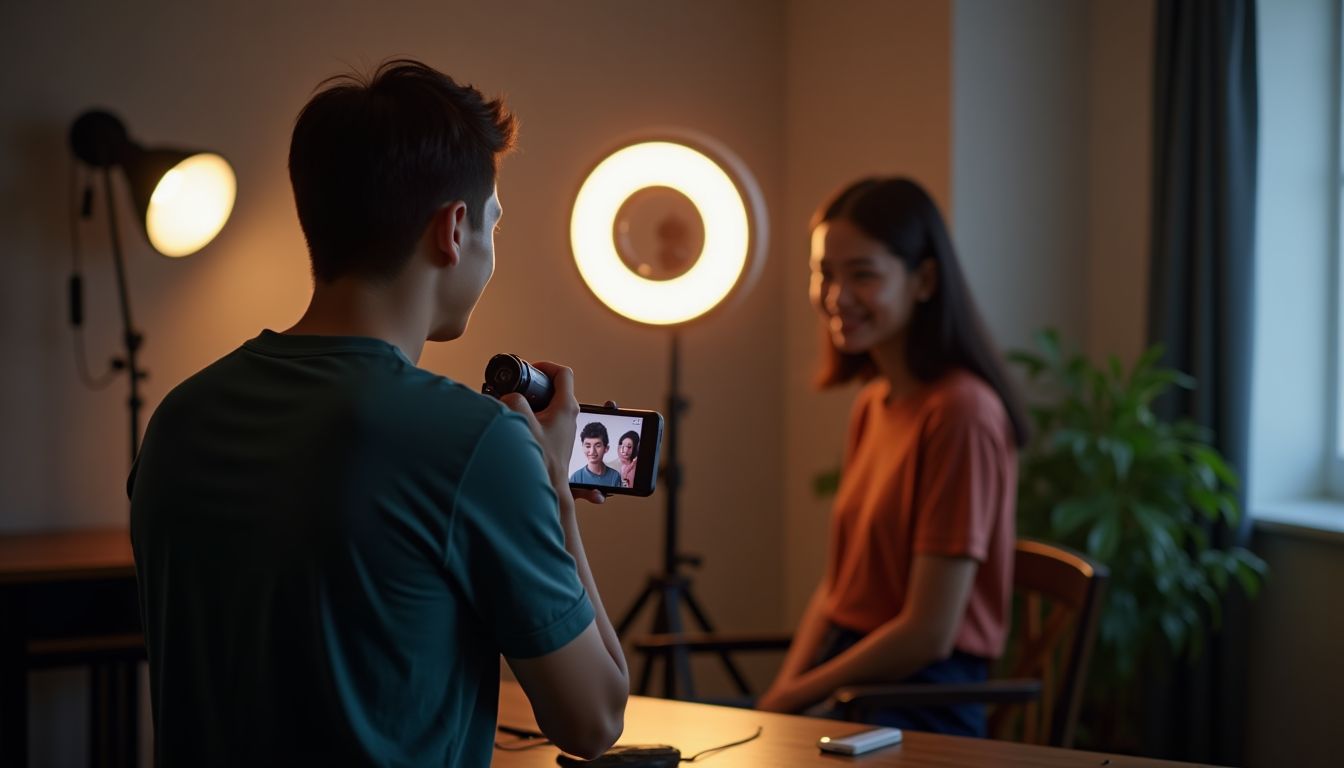
I was sitting at a mamak in Bangsar when my phone lit up with the news: Khairul Aming had just moved RM2.3 million worth of product in a single TikTok Shop livestream. In one day. From a phone and a ring light.
I stared at my teh tarik for a moment and thought — this isn't a viral moment anymore. This is an industry signal.
Malaysia's creator economy has crossed a threshold. The question isn't whether brands should take creators seriously. It's whether brands are structured to actually win in this environment, because the rules — commercial, regulatory, and algorithmic — are all shifting at once.
The Commerce Layer Is Now Real Infrastructure
Khairul Aming's record-breaking RM2.3 million single-day livestream didn't happen in a vacuum. TikTok Shop Malaysia recorded 140% year-on-year growth, with seller count jumping 78% — numbers that confirm what anyone paying attention has felt: discovery-based purchasing isn't a quirky side trend, it's becoming the default shopping behaviour for a significant chunk of Malaysian consumers.
This is different from the Shopee affiliate boom of 2021. That was creators plugging links. What's happening now is full commerce infrastructure — livestream, checkout, fulfilment, CRM — sitting inside a content platform. Shopee's own influencer push in 2024 leaned into human-centric storytelling precisely because they saw this coming. The platforms understand that trust is the conversion mechanism, and creators are the trust layer.
For brand managers, this changes the budget conversation. A creator isn't just a media buy. In a TikTok Shop context, a creator is a distribution channel with a P&L attached to them.
The Regulation Moment Everyone Half-Expected
Here's where it gets serious — and honestly, where Malaysia's creator economy starts to grow up.
The Inland Revenue Board just issued new guidelines making it explicit: social media influencers must declare all income, including free gifts. Digital tokens, brand barter deals, complimentary hotel stays — all taxable. The ex-partner of influencer Pui Yi was recently remanded over RM2.85 million in alleged tax fraud, which sent a very clear signal that enforcement isn't hypothetical anymore.
Malaysia's influencers have called the new IRB guidelines impractical — experts counter that they simply ensure fairness. Both things can be true. But here's the practical implication for marketers: barter and gifting campaigns now carry compliance weight. Brands that run those campaigns without documented fair-market valuations are potentially creating liability for their creator partners.
This is going to accelerate a shift toward formalised creator partnerships — proper contracts, declared rates, structured deliverables. Platforms like Creamatch, Malaysia's managed creator content platform, are built exactly for this moment — bringing structure to what has historically been a handshake industry. When campaigns are documented, scoped, and managed through a platform, the paper trail exists by default. That's not just operationally cleaner; in 2026, it's a form of risk management.
The era of DM-a-creator-and-transfer-cash is ending. Good.
Platform Signals: TikTok's Position Is Complicated
TikTok is simultaneously the biggest opportunity and the biggest variable in Malaysian creator-commerce right now.
On the product side, TikTok's new AI tools and ad formats — including Mini Dramas and Mini Games announced at their Singapore summit — represent a serious bet on deeper content immersion. These aren't gimmicks. Mini Dramas that support in-app purchases are a direct play for the kind of serialised, emotionally engaging content that drives repeat purchase intent. For brands in categories like fashion, F&B, and lifestyle, this is a new format worth piloting early.
On the geopolitical side, TikTok is reportedly on high alert in Malaysia as tensions rise around the election cycle — a reminder that any single-platform creator strategy carries concentration risk. The lesson from Astro is worth revisiting here: Astro kept raising prices while YouTube, Netflix, and TikTok offered free or cheap alternatives, and subscribers left. Not because of loyalty, but because the value equation broke. Brands that concentrate all their creator spend on one platform are one policy decision away from the same problem.
A diversified creator strategy — across TikTok, Instagram Reels, YouTube Shorts, and emerging local discovery surfaces — isn't hedging. It's just sound planning.
What Marketers Should Actually Do Right Now
The signals from the past few weeks point to three concrete moves for Malaysian marketing teams:
-
Formalise your creator partnerships before you have to. The IRB guidelines mean that gifting and barter deals need documented valuations. Use managed platforms like Creamatch to create an auditable workflow from brief to deliverable. This protects your brand and your creator.
-
Start treating TikTok Shop as a channel with its own P&L. A 140% YoY growth platform with 78% more sellers means the competitive window is narrowing. If your brand isn't running structured creator-commerce campaigns — not just affiliate links, but full livestream and content integration — you are already behind someone in your category.
-
Invest in creator content for trust, not just reach. The reason a viral TikTok video about Kuala Lumpur can move American tourists to genuinely reconsider Malaysia as a destination is the same reason Khairul Aming can sell RM2.3 million in a day: audiences trust people, not banners. The Malaysian creator economy isn't just a media channel — it's the primary trust infrastructure for consumer decisions under 40.
The maturation of this industry is actually good news for serious marketers. Verbrol Pulse has been tracking the acceleration in creator-commerce activity across Southeast Asia, and Malaysia is consistently running ahead of regional benchmarks on commerce conversion from content. The brands that will own the next three years are the ones building creator relationships now — not waiting for the strategy deck to get approved.
Khairul Aming made RM2.3 million in a day because he spent years building something real. That's the blueprint.
Track Creator Economy trends in real-time at verbrol.com
Read more on Verbrol Intelligence: