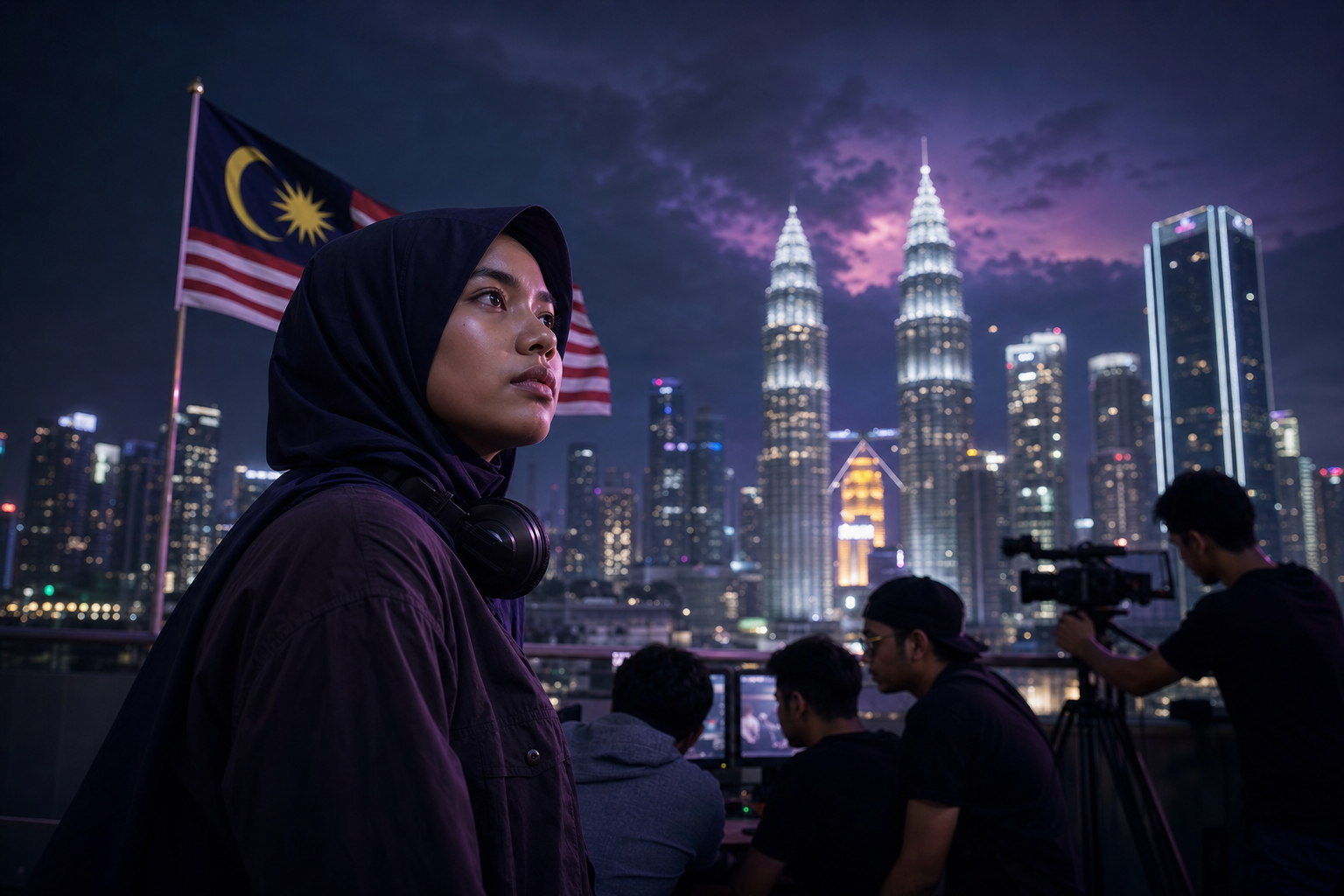
Malaysian content is having its biggest cultural moment in years — BoBoiBoy is topping Netflix charts across three countries, Chelot is earning global recognition, and live entertainment is booming. But based on Verbrol's analysis of 30+ signals, the revenue and IP control aren't staying local. Here's the paradox nobody in KL's media circles wants to say out loud.
We Analyzed 30+ Signals — Malaysian Entertainment Is Winning Culturally But Losing Commercially
Let me say something that will make Malaysian content executives uncomfortable at their next town hall: Malaysia is producing some of Southeast Asia's most compelling entertainment content right now — and systematically failing to capture the value it creates.
Based on Verbrol's analysis of 30+ signals spanning news, Telegram, YouTube, and live event data from the past 48 hours, a sharp and underreported paradox is crystallising in mid-2025. Local IP is achieving regional dominance. Local monetisation structures are not keeping pace. And the gap between those two realities is widening, fast.
This isn't a pessimistic take. It's a market intelligence alert. Because the brands, agencies, and content strategists who read this signal correctly right now will be the ones writing the success stories in 2026.
BoBoiBoy Is a Regional Powerhouse — So Why Aren't We Talking About Licensing Revenue?
The headline from this week that should be tattooed on every Malaysian media executive's forehead: local animation BoBoiBoy has topped Netflix charts in Malaysia, Indonesia, and Singapore simultaneously, according to The Star. Three countries. Simultaneously. For a locally produced animation franchise.
To put that in regional context — this is the kind of cross-border chart performance that major Hollywood studios spend nine figures trying to engineer. Monsta, the studio behind BoBoiBoy, achieved it organically, on the back of years of consistent world-building and audience trust.
And yet, based on Verbrol Pulse monitoring of entertainment brand conversations across Malaysian digital channels, the dominant discourse isn't about what this means for Malaysian IP licensing, merchandise rights, or studio expansion. It's simply celebration. Warranted celebration, absolutely — but celebration without a commercial roadmap is just noise.
Compare this to how the Shanghai International Film Festival just announced a dedicated Technology Creation and Fabrication Unit specifically to commercialise Chinese IP at scale. Or how a viral six-minute YouTube short in the US just earned a six-figure development deal within weeks. The infrastructure to convert cultural wins into commercial wins exists. Malaysia is building the cultural wins. The infrastructure conversation is barely starting.
The actionable signal for brand managers: BoBoiBoy's multi-market chart dominance makes it one of the highest-value partnership assets in ASEAN right now. Brands in F&B, telco, and retail that move on licensing and co-branded content integrations in the next 90 days are buying at pre-recognition prices. That window is closing.
Live Entertainment Is Back and Bigger — But the Money Is Still Flying Out
The AirAsia Hausboom Festival 2025, powered by Hotlink and returning under the theme "Paint the Town Red," signals something important: Malaysia's live entertainment sector has fully recovered its ambition. Thirty-two local and international artists. Fashion. Food. Experiential retail. It's the kind of integrated festival format that major markets have been running for years, and Malaysia is executing it competently.
But look closer at the partnership architecture. The headline sponsor is an airline. The power sponsor is a telco. The festival itself is a vehicle for brand exposure, which is fine — that's how live events are monetised globally. The question Verbrol is asking: how much of the festival's economic output — talent fees, production spend, logistics — is flowing back into Malaysian creative businesses versus international suppliers?
Meanwhile, on Telegram, a separate signal is flashing. Datuk M. Nasir — one of Malaysia's most iconic musicians — and his company Luncai Emas Sdn Bhd have filed a lawsuit against MyTeksi Sdn Bhd, alleging unauthorised use of his name and brand for promotional purposes. Regardless of how this case resolves legally, it represents a broader and chronic problem in Malaysian entertainment: the monetisation of local celebrity and cultural IP without adequate licensing frameworks or consent structures.
This is not an isolated incident. It's a symptom of an industry where the informal use of cultural equity is still normalised, and where creators — even established legends like Datuk M. Nasir — have to litigate to protect their commercial identity. According to Bernama, IP protection conversations in creative industries have been ongoing, but enforcement culture remains inconsistent.
For marketing teams working with Malaysian talent: this is your compliance wake-up call. Platforms like Creamatch, Malaysia's managed creator content platform, exist precisely to formalise these creator-brand relationships — proper licensing, clear deliverables, accountable frameworks. The era of "just WhatsApp the celebrity and figure it out" is ending, legally and reputationally.
The Formats That Are Actually Winning (And What They Tell Us)
Three content signals from this week's data deserve specific attention from Malaysian entertainment strategists:
1. Local film is earning global technical recognition. The film Chelot has earned Malaysian Box Office Records (MBR) recognition for a five-minute action sequence, as reported by Free Malaysia Today. This is craft-level excellence — the kind of technical filmmaking credibility that opens doors to international co-productions and streaming acquisition conversations. It's an early signal that Malaysian action cinema is developing a distinct technical identity.
2. Korean indie is coming to Malaysia, and the audience is ready. JANNABI, a Korean indie band, is confirmed for their first-ever Malaysia concert this August. This matters beyond the K-pop conversation. JANNABI represents a more niche, culturally curious Malaysian audience segment — one that is underserved by mass entertainment and highly engaged. Brands targeting 25-35 urban professionals should be paying attention to what this audience consumes.
3. BTS at the FIFA World Cup 2026 halftime show has Malaysian fans tracking timing and broadcast details actively. The BTS FIFA World Cup 2026 halftime show is generating significant anticipatory engagement in Malaysia, linking sport, K-pop, and global spectacle into a single conversation. Malaysian brands with World Cup 2026 adjacency strategies need to factor K-pop fandom into their activation planning.
On the digital content side, YouTube actress Chacha Maembong is generating the kind of polarised audience engagement — viral Telegram commentary, fan debate, "drama" cycles — that actually drives sustained viewership and creator platform growth. Based on Verbrol's analysis of 30+ signals from news, Telegram, and YouTube data, this love-hate engagement pattern is one of the most reliable indicators of a breakout creator moment in the Malaysian digital space. Smart brand managers know: controversy-adjacent creators often deliver better engagement rates than universally liked ones.
The Verbrol Thesis: Malaysia's Entertainment Industry Needs an IP Infrastructure Upgrade, Not Just More Content
Here is the uncomfortable conclusion that emerges from everything above:
Malaysia does not have a content problem. It has a value-capture problem.
BoBoiBoy is topping regional Netflix charts — but where is the franchise licensing roadmap? Chelot is earning global technical recognition — but is there a co-production pipeline being built on the back of it? Datuk M. Nasir is suing a tech company for using his brand without permission — which means even Malaysia's most established creative figures don't have adequate IP protection infrastructure around them.
As The Edge Malaysia notes in its analysis of the future of entertainment, the industry shift isn't just about better content — it's about smarter systems around content. Smarter monetisation. Smarter IP management. Smarter creator-brand frameworks.
The brands and agencies that win in Malaysian entertainment over the next 12 months won't just be the ones backing the best content. They'll be the ones building the commercial infrastructure that Malaysian creative talent desperately needs — and currently lacks.
Three moves to make before Q3 2025:
- Audit your talent partnerships for IP compliance — the M. Nasir case is a preview of where enforcement is heading
- Map your brand to BoBoiBoy's multi-market audience before the licensing window closes
- Invest in structured creator partnerships through platforms like Creamatch rather than informal arrangements that expose both parties to risk
Malaysia's entertainment moment is real. The question is whether the industry — and the brands that fund it — will build the commercial architecture to make it last.
Based on Verbrol's analysis of 30+ signals from news, sports, Telegram, and YouTube data sources across the Malaysian entertainment landscape, June 2025.
Track Entertainment trends in real-time at verbrol.com
Read more on Verbrol Intelligence: