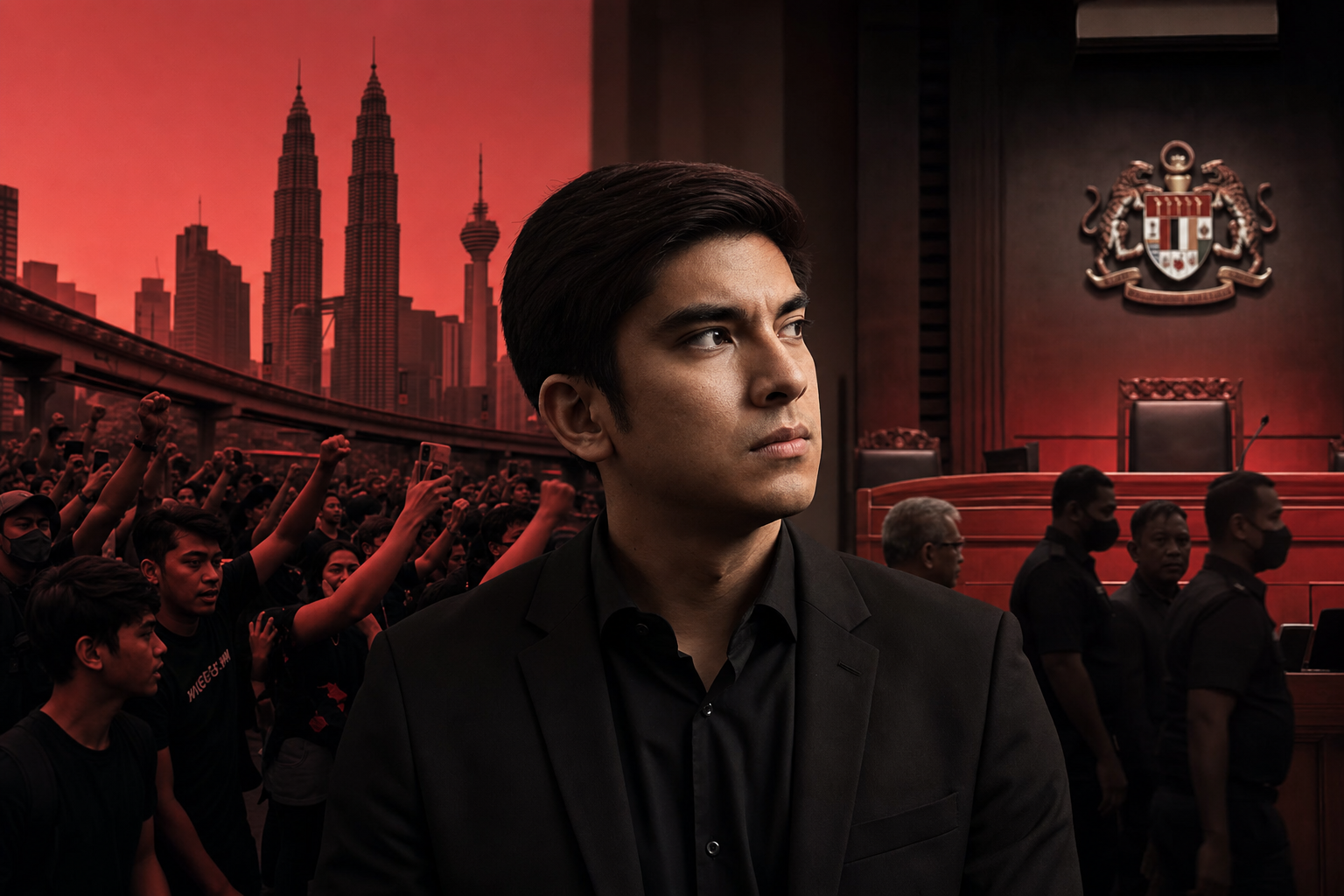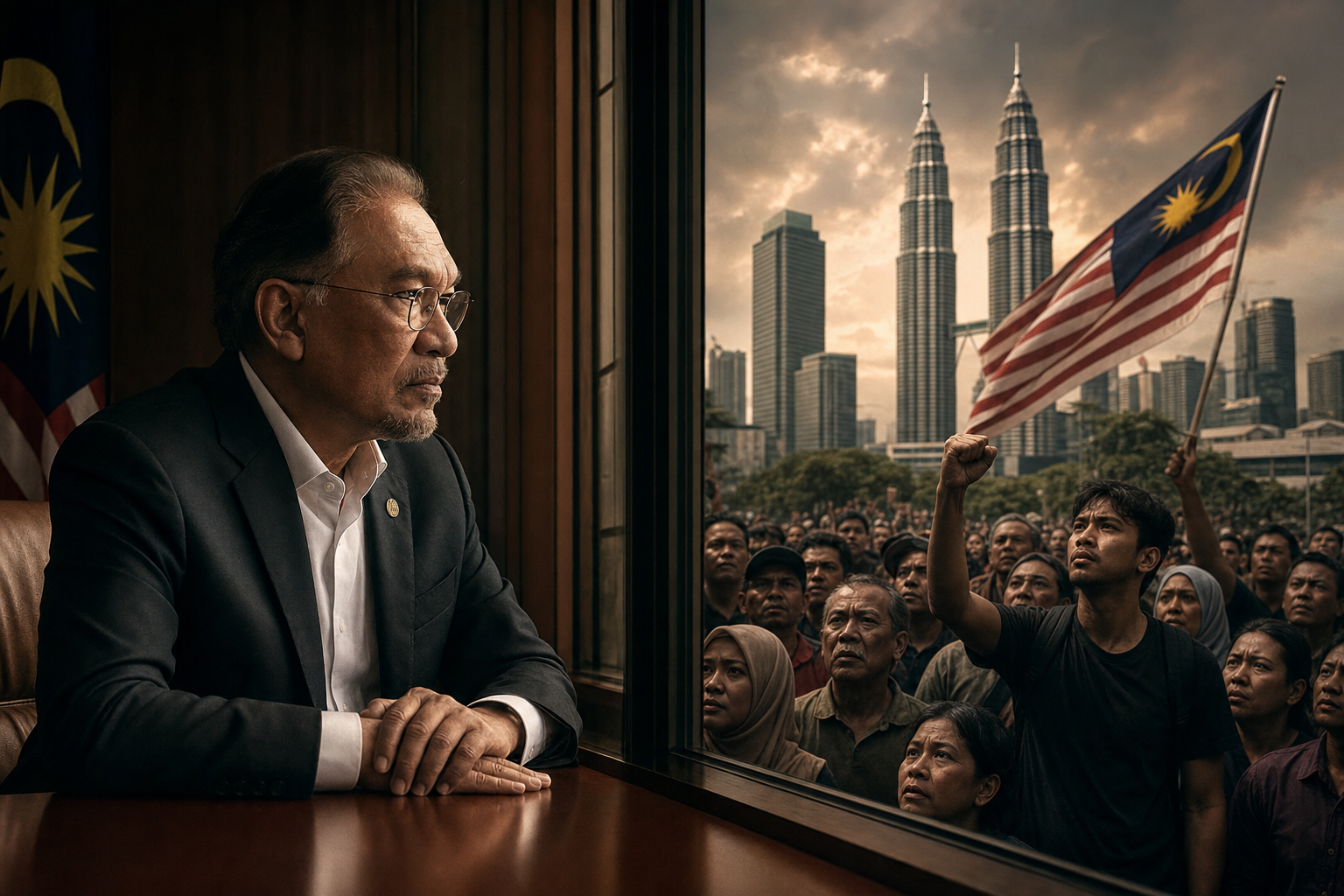
On the surface, Malaysia's political scene looks remarkably steady — PM Anwar is inking deals with Elon Musk, rolling out RM200 million MSME funds, and courting foreign investors. But Verbrol's analysis of 30+ signals tells a different story underneath. The real political risk in Malaysia right now isn't instability — it's the illusion of stability masking structural fractures that brands, marketers, and investors are dangerously underpricing.
Malaysia Politics 2025: Everyone's Watching the Wrong Risk
Let me be direct with you. When most analysts talk about Malaysian political risk in 2025, they frame it as a binary — either the unity government holds, or it doesn't. That framing is lazy, and frankly, it misses the entire story.
Based on Verbrol's analysis of 30+ signals from news, YouTube commentary, and real-time social data over the past 48 hours, the actual thesis is this: Malaysia's political environment has never looked more "stable" on paper, and that surface-level calm is precisely what makes it the most dangerous signal to ignore right now.
This is The Paradox. Political optics are at an all-time high. Political fractures are quietly deepening below.
The Showcase Politics of PM Anwar — And Why It's Working, For Now
Let's start with what's real. In the past 48 hours alone, PM Anwar Ibrahim has been linked to two massive optics wins: the expected joint launch of Tesla's Malaysian headquarters in Cyberjaya with Elon Musk, and the unveiling of a RM200 million fund to support MSMEs via ECF and P2P platforms. These are not small moves. This is a government that understands narrative management at a level Malaysian politics hasn't seen in years.
For brand managers and marketers operating in Malaysia, this creates a very specific environment: government-aligned messaging is currently at peak saturation. When the PM is personally associated with Tesla and startup funding in the same news cycle, the political brand of Madani Malaysia is doing serious heavy lifting in the public consciousness.
Sime Darby's move as an investor into Socar Mobility Malaysia's US$55 million Series B is another signal — GLCs are being positioned as forward-thinking venture players, not just legacy behemoths. This is deliberate political economy storytelling, and it's working.
For now.
But here's what the mainstream narrative isn't telling you.
The Fractures Nobody's Pricing In
While the government curates its investment-friendly image, three signals from Verbrol's data feed suggest serious structural cracks:
1. The MACC Effect Is Bleeding Into Consumer Sentiment
The Padini shares sinking to a six-year low following an MACC probe on external counterparties is being reported purely as a business story. It isn't. Every time MACC investigations touch a well-known consumer brand, it sends a chilling signal through the market — that no commercial actor, however mainstream, sits outside political exposure. For brands assessing Malaysia market risk, this is a governance signal, not just a finance story. Padini's 0-engagement score on social suggests Malaysians are not talking about it loudly — but they are watching.
2. The Opposition Shake-Up Is Being Systematically Underreported
Malaysia's opposition shake-up has deepened with a new party launch, per The Straits Times. Political fragmentation on the opposition side might look like good news for the unity government, but history in Malaysian politics says otherwise. A fragmented opposition creates unpredictable by-election dynamics, incentivises fringe positioning, and — critically — reduces the accountability pressure that keeps governing coalitions disciplined.
A YouTube commenter in our dataset put it bluntly: "Faktor utama yg dilihat investor selain TENAGA kerja yg murah Dan RAMAI, adalah tahap edukasi, infra, kestabilan politik, logistik selain itu. undang² Dan peraturan yang Telus, kuat serta jelas." That comment had zero algorithmic boost — but it reflects exactly what foreign investor conversations look like behind closed doors.
3. Institutional Trust Is Quietly Eroding
A letter published in Malaysiakini argues Malaysia needs leadership beyond race and religion. That's not a new argument — but the timing, appearing alongside a wave of economic policy announcements, suggests a segment of the educated electorate is growing impatient with performative governance. The gap between headline policy and ground-level execution is where political risk actually lives.
What This Means For Brands Operating In Malaysia
Here's the actionable layer most market intel services skip. Based on Verbrol Pulse data, the political climate in Malaysia right now creates three specific dynamics for brands:
-
Government-adjacent positioning carries a premium — and a risk premium. Being seen to align with Madani-era policy narratives (green economy, digital transformation, MSME support) gives brands real tailwind. But MACC exposure risk means any commercial partner perceived as having murky governance history can contaminate that alignment fast. Due diligence on political adjacency is now a brand management function, not just a legal one.
-
The RTM/public media loyalty is real and underestimated. A YouTube comment in our data celebrated RTM's World Cup coverage with genuine warmth: "RTM dari dulu mmg belanja Rakyat Marhean sejuta terima kasih kementerian." This isn't nostalgia — it's a signal that government media still commands emotional loyalty among the B40 and M40 segments that private digital channels consistently undercount. Brands reaching these audiences need to factor this in.
-
Political stability as an investor signal is Malaysia's most powerful — and most fragile — export right now. Bangladesh's new PM visiting Malaysia before India per South China Morning Post underlines Malaysia's growing regional diplomatic standing. That status is tied directly to perceived political cohesion. Any meaningful coalition wobble — even at the state level — could reprice this positioning almost overnight.
For brands running creator campaigns and content marketing in this environment, working with platforms like Creamatch, Malaysia's managed creator content platform, becomes strategically smarter — because localized, community-embedded creators read the political temperature faster than any top-down campaign brief ever will.
The Prediction: 30-Day Watch
Here is Verbrol's specific call, committed to the record:
Within the next 30 days, we expect at least one significant political event — whether a by-election announcement, a coalition tension becoming public, or a second MACC-adjacent corporate story — to puncture the current "Malaysia is open for business" narrative cycle. When it does, brands that have over-indexed on government-aligned messaging without building independent brand equity will feel the whiplash.
The coach who said he's tired of the 'politics' in Malaysian cycling per The Star — threatening to walk away from the sport entirely — is a metaphor, bukan kiasan semata. When institutional fatigue with political interference reaches even apolitical sectors like sports, it tells you the infection has spread further than the headlines suggest.
The Bottom Line
Malaysia's political environment in mid-2025 is not a story of crisis. It is a story of managed perception meeting unmanaged reality, and the gap between those two things is widening. For marketers, brand managers, and agency professionals: the brands that will win the next 12 months in this market are the ones that stop treating Malaysian politics as background noise and start treating it as a primary strategic input.
Surface-level stability is not the same as structural resilience. Verbrol's data says know the difference — and build for what's underneath.
Based on Verbrol's analysis of 30+ signals from news, YouTube, and social media data collected over 48 hours across the Malaysian market.
Track Politics trends in real-time at verbrol.com
Read more on Verbrol Intelligence: