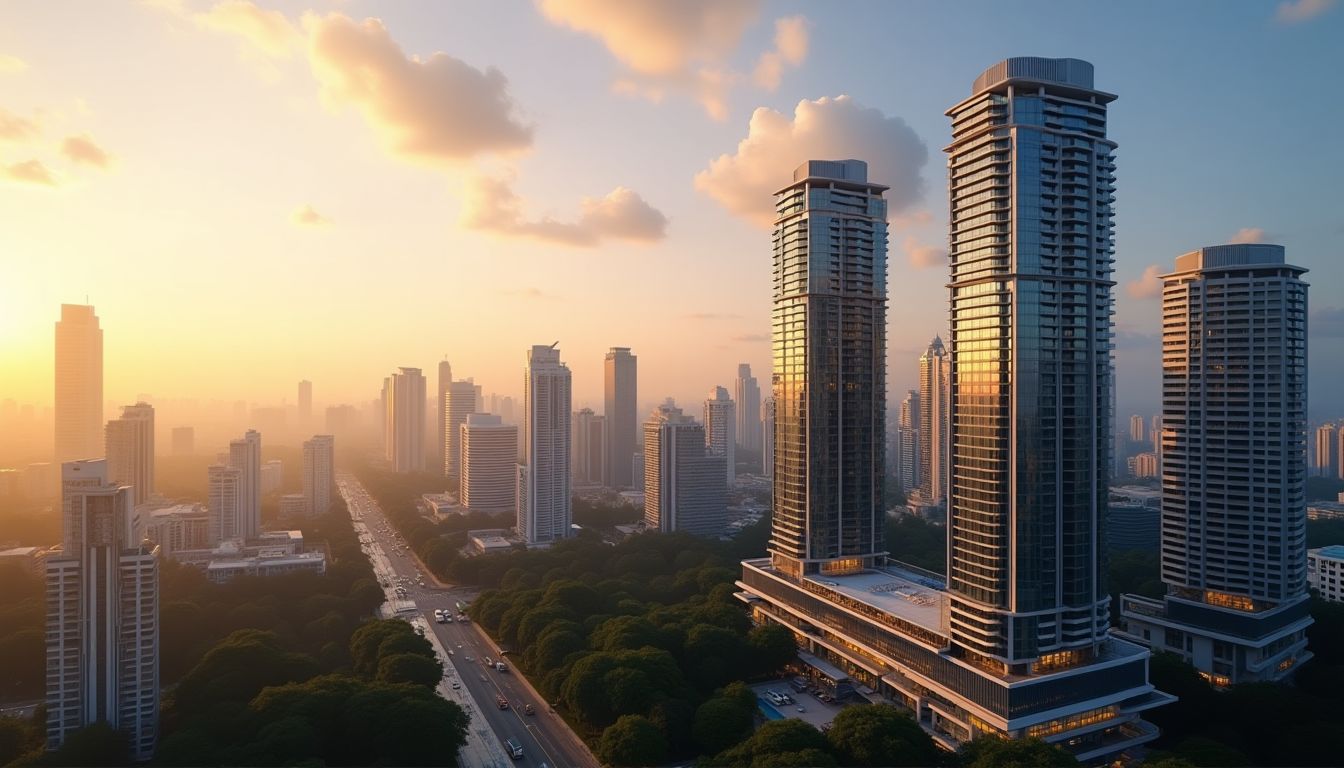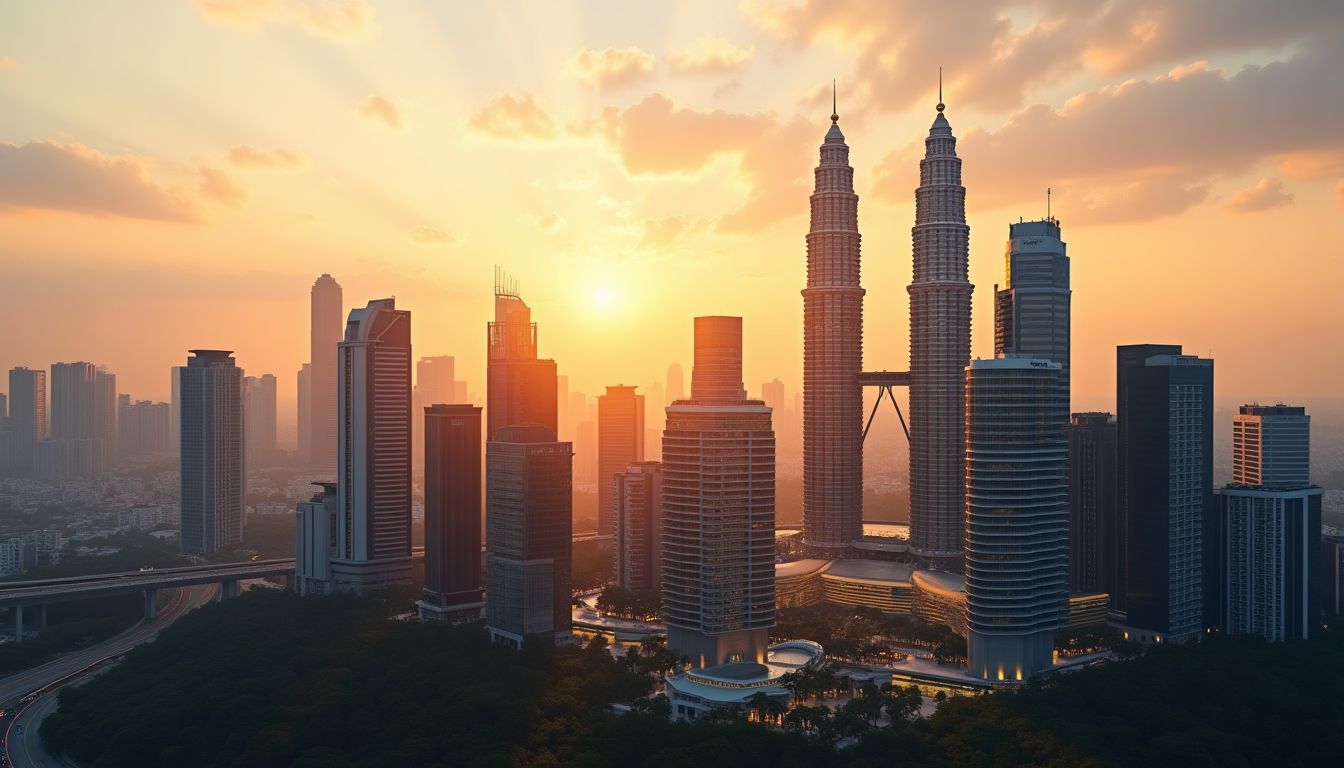
Malaysia's property market headlines are dominated by luxury condos and Chinese ultra-rich buyers. Based on Verbrol's analysis of 30+ signals from news and market data, the sector generating the most durable, structural upside in June 2026 is industrial real estate — and almost nobody in the mainstream commentary is saying it loudly enough.
Malaysia's Property Market Is Surging — But You're Watching the Wrong Segment
Every week there's another headline about Malaysia becoming the unexpected darling of China's ultra-rich property hunters, or about luxury towers in KL shifting units to foreign buyers chasing MM2H residency. The property commentariat loves a sexy narrative. I get it. But here's the problem: sexy narratives don't always point to where the structural money is actually moving.
Based on Verbrol's analysis of 30+ signals from news, transaction data, and developer announcements over the past 48 hours, the most consequential shift in Malaysian property right now is happening in the industrial and logistics segment — powered by two forces that are still underweighted in mainstream market coverage: the EV supply chain buildout and the data centre land grab.
While analysts argue about oversupply in the residential mid-market and whether Johor condos will ever clear, Malaysia is quietly becoming a destination of choice for heavy industrial capital. That's the thesis. And the data is already there for anyone willing to look past the penthouse listings.
The Hidden Winner: Industrial Real Estate Is Doing the Heavy Lifting
Let's start with what EdgeProp's reporting on EVs and industrial property is telling us: green mobility infrastructure is directly fuelling demand for industrial land in Malaysia. This isn't a soft correlation — EV manufacturers and their Tier 1 and Tier 2 suppliers need purpose-built facilities: high-voltage grid access, large-footprint warehousing, proximity to port logistics. That's a very specific real estate product, and Malaysia — particularly in Selangor, Penang, and Johor — is positioned to supply it.
Then there's the data centre angle. Sime Darby Property's announcement of a RM1.25 billion fund to invest in data centres and industrial assets — the same developer that just took top spot at The Edge Malaysia Top Property Developers Awards 2024 — is not a speculative bet. This is Malaysia's largest listed property developer committing institutional capital to a bet that industrial real estate is where yield holds up over the next decade. When the market leader pivots its balance sheet, you take notice.
According to NAPIC transaction records, industrial property has consistently outperformed residential sub-sectors on rental yield and vacancy metrics over the past three years. The residential mid-market is where the hand-wringing is justified — oversupply and high household debt levels are real headwinds, as The Malaysian Reserve has reported. But those structural problems in residential don't contaminate the industrial segment. They're separate markets with separate demand drivers.
The Paradox Nobody's Publishing: Oversupply AND Undersupply — At the Same Time
Here's the contradiction that Verbrol Pulse flagged in this cycle's signal scan: Malaysian property headlines are simultaneously running "oversupply crisis" stories and "market surging" stories — and both are technically correct. The paradox resolves cleanly when you understand that Malaysia has a two-speed property market operating in parallel.
Speed One: Residential, particularly high-rise and mid-range landed in secondary locations. Oversupplied. Debt-laden buyers. Slow-moving inventory. This is the segment where The Malaysian Reserve's warnings about high debt and oversupply are squarely targeted.
Speed Two: Industrial, logistics, data centre-adjacent, and premium landed in established corridors. Undersupplied relative to demand. Institutional-grade tenants. Yield compression happening — meaning prices are rising as investors chase the limited quality stock.
Based on Verbrol's analysis of 30+ signals from news and developer activity, the Malaysian property media has not yet clearly delineated these two markets in its coverage. The result is narrative confusion that benefits no one — except investors who understand the distinction and are quietly accumulating industrial land while sentiment in the residential sector keeps general interest subdued.
PropertyGuru's Q1 2024 Malaysia Property Market Report flagged rising search intent for industrial and commercial properties among both local and foreign investors — a leading indicator that was underreported at the time but is now showing up in transaction volumes.
Foreign Capital and the Luxury Segment: Real, But Not the Structural Story
I won't dismiss the luxury narrative entirely — that would be intellectually dishonest. The data on Chinese ultra-high-net-worth individuals moving capital into Malaysian property is credible and the luxury property outlook for 2026 shows genuine upward price pressure in the KLCC and Mont Kiara corridors. Malaysia's recent haul at the FIABCI World Prix d'Excellence Awards reinforces the country's credibility as a destination for premium development.
But here's my honest read: the luxury segment is a thin market. High average transaction values, low volumes, significant sensitivity to currency moves and geopolitical sentiment toward China. It's a real trend but a fragile one. A single regulatory shift — tightening MM2H eligibility, capital controls in China, or a diplomatic friction point — and that demand signal cools fast.
Industrial demand driven by EV manufacturing, semiconductor supply chains, and hyperscale data centre deployment? That's anchored in capital expenditure decisions with 10-to-15-year time horizons. That's not fragile. That's structural.
For property developers, investors, and the marketers building campaigns around these segments, understanding this distinction matters enormously. Brands positioning around Malaysian property — whether through digital advertising, developer partnerships, or creator-led content — need to be targeting the right audience with the right message. Platforms like Creamatch, Malaysia's managed creator content platform, are already helping property developers reach niche investor audiences through targeted content strategies that general media buys can't replicate.
What This Means in the Next 30 Days
Based on Verbrol's analysis, here's the near-term prediction: over the next 30 days, expect at least two to three more institutional-scale announcements involving Malaysian industrial land or data centre infrastructure investment. The Sime Darby Property RM1.25 billion fund is a leading indicator, not an isolated event. Other major developers are watching and will move.
For brand managers and marketers adjacent to the property sector — financial services, construction materials, professional services, proptech — the window to position messaging around the industrial and data centre property story is right now, before the mainstream narrative catches up.
Check iProperty's market tracker for real-time listing shifts in industrial zones if you want a ground-level demand signal without the lag of quarterly reports.
And if you want the macro view without the noise, Verbrol is tracking Malaysian property signals across news, social, and transaction data continuously.
The bottom line: Malaysia's property market is surging — but the surge that matters most for long-term capital allocation isn't in the luxury towers getting the headlines. It's in the industrial sheds, logistics parks, and data centre campuses being quietly locked up by institutional money right now. The media will catch up eventually. The question is whether you're positioned before they do.
Track Property trends in real-time at verbrol.com
Read more on Verbrol Intelligence: