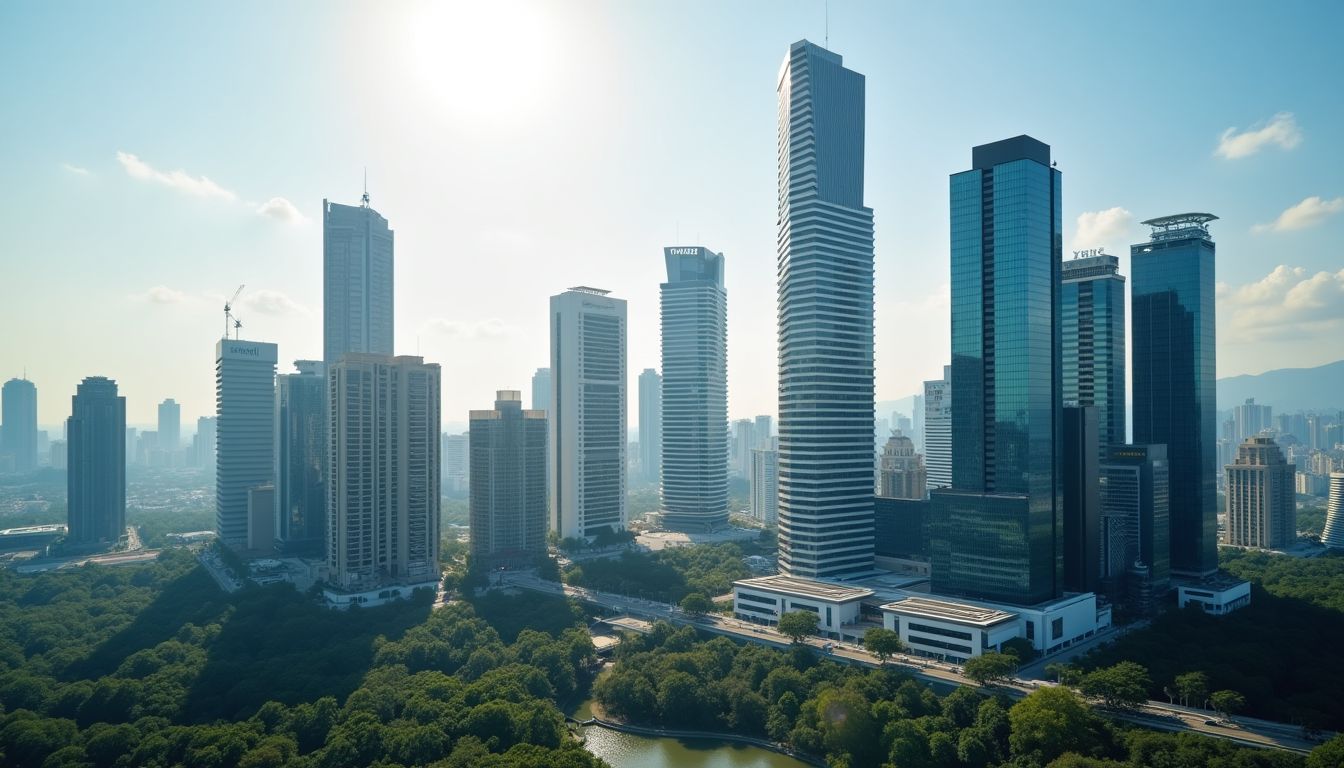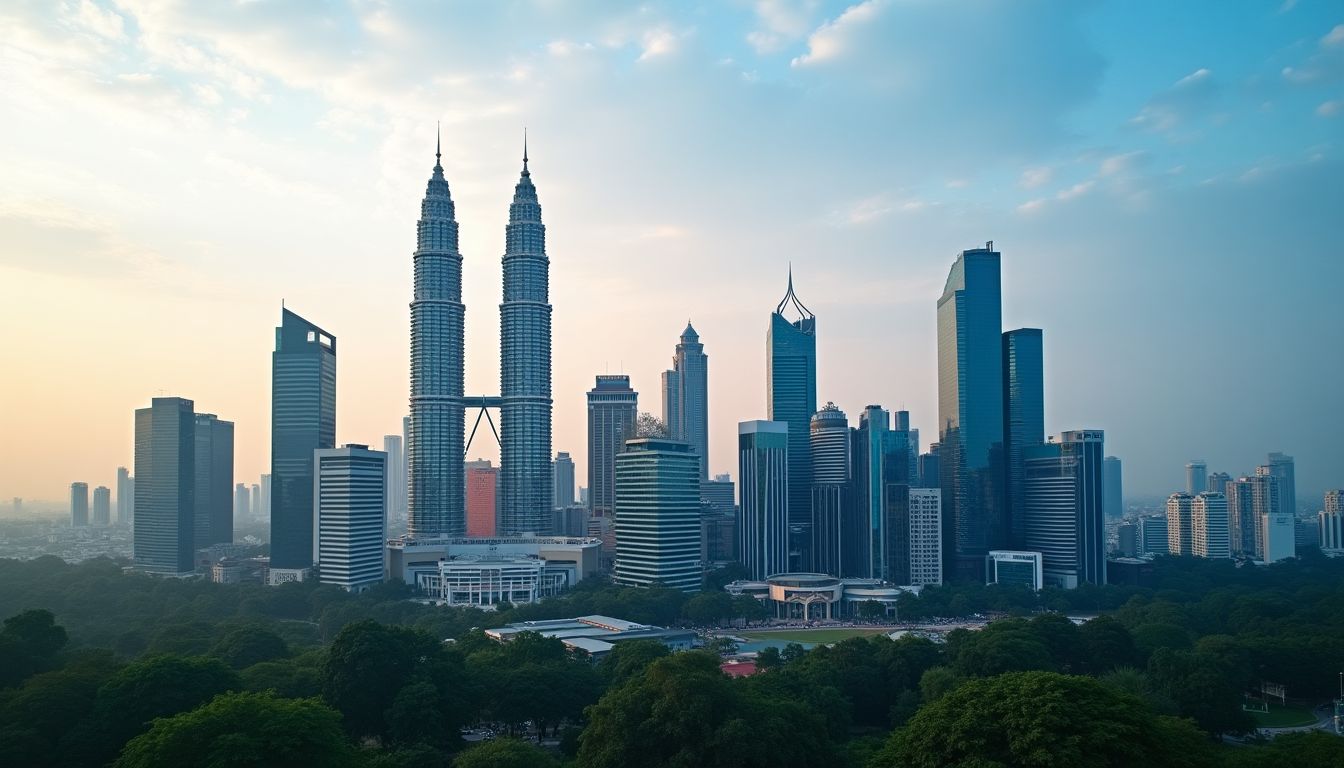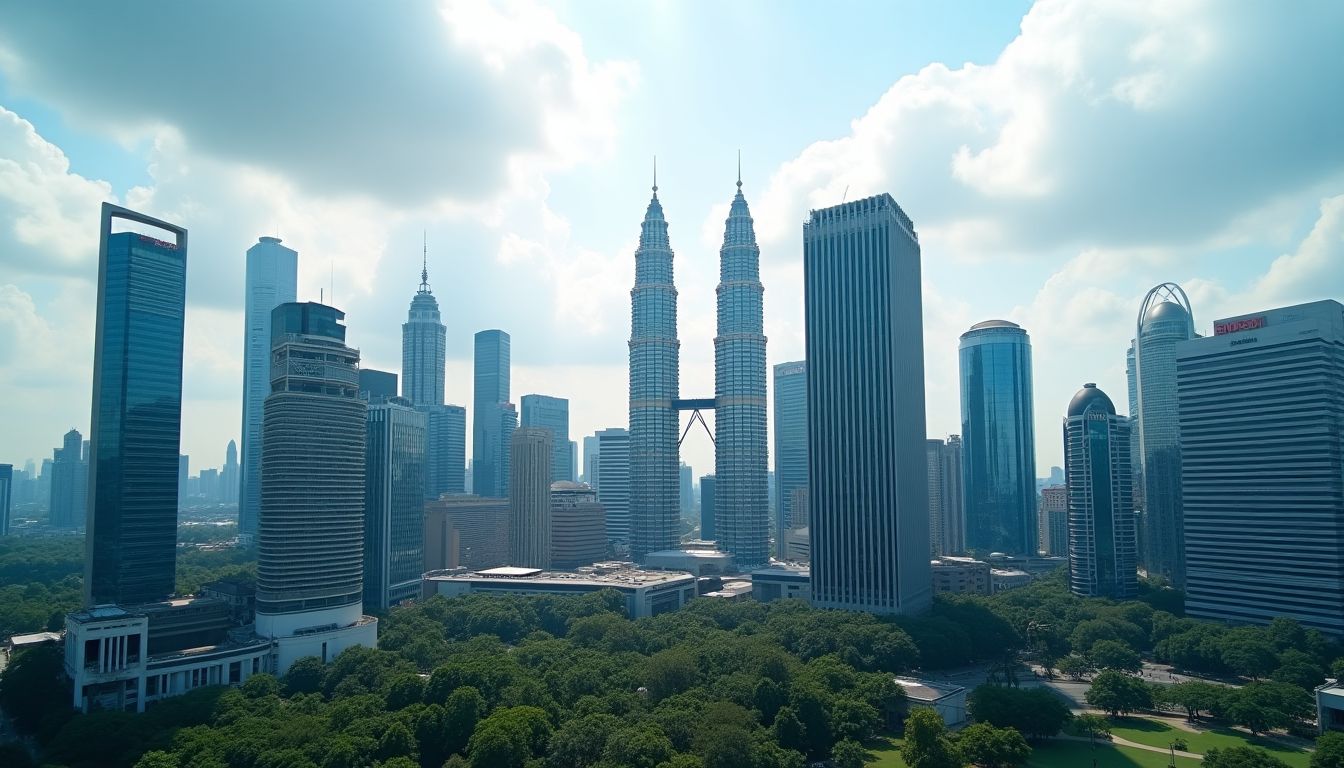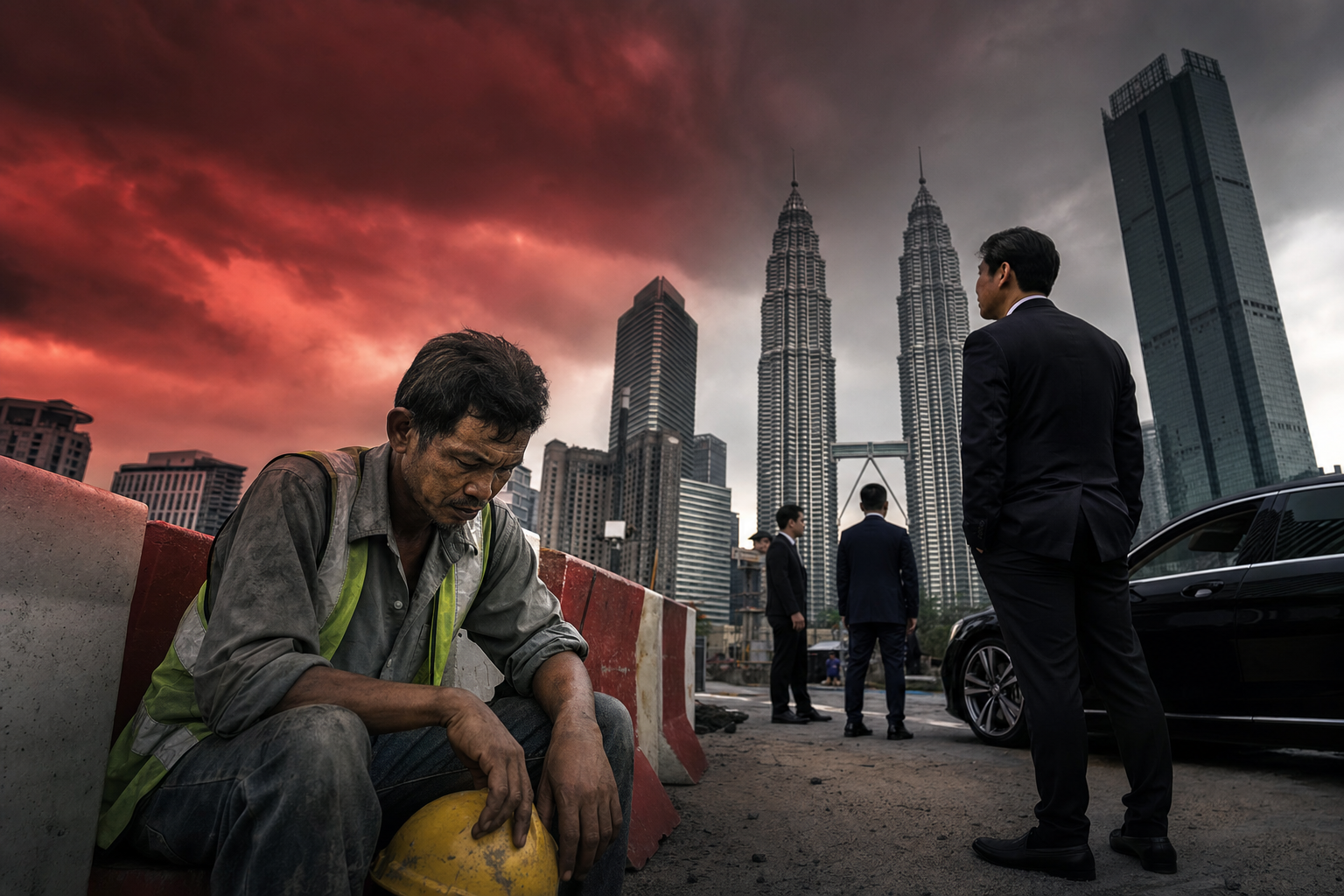
Big money is flowing in — but 11,000 Selangor workers lost their jobs in five months. Understanding Malaysia's political economy right now means holding both truths at once.
Ada benda yang aku perasan minggu ni. Bukan dalam laporan rasmi, bukan dalam press release yang penuh jargon. Tapi dalam jurang antara dua berita yang keluar hampir serentak — satu pasal berbilion ringgit FDI masuk Malaysia, satu lagi pasal 11,000 orang hilang kerja di Selangor dalam tempoh lima bulan.
Dua realiti. Satu negara.
That tension — between headline wins and ground-level losses — is the most honest lens through which to read Malaysian politics right now. Bukan soal siapa yang menang PRU next. Soal siapa yang sebenarnya menang bila Malaysia menang.
The Billion-Ringgit Narrative: FDI as Political Currency
Anwar Ibrahim had a good week on paper. Austrian chipmaker AT&S confirmed it will invest up to RM9.4 billion more in Kulim, deepening Malaysia's position in the global semiconductor supply chain. The €2 billion expansion, as reported by The Edge Malaysia, signals growing international investor confidence in Malaysia's industrial ecosystem.
Pastu ZETRIX AI Bhd announced $40 million in strategic funding from the IFC — International Finance Corporation — untuk accelerate digital infrastructure across Malaysia and Southeast Asia. Malaysian AI startup lain pula dapat US$250K dari Silicon Valley. Shopee committed $11.83 million to support Malaysian MSMEs.
On the surface, this is the story Putrajaya wants told. Malaysia terbuka untuk bisnes. Malaysia dah mature sebagai investment destination.
Tapi data ni kena dibaca dengan kepala yang sejuk. FDI announcements are political wins, yes — tapi they're also long-horizon plays. The AT&S Kulim plant employs engineers and technicians. It doesn't absorb the Selangor factory worker who got retrenched in January, or the tourism sector employee who's been jobless since February.
Anwar himself told Malaysians to focus on AI and quantum computing, not political squabbles. Fair point — tapi the rakyat yang hilang kerja tu is the political squabble. You can't separate the economy from the politics bila people are counting days to end of month.
11,000 Jobs Gone: The Number Anwar Doesn't Put in His Press Releases
Seramai 11,000 pekerja di Selangor hilang pekerjaan dalam tempoh lima bulan tahun ini — termasuk dalam industri pelancongan. That number, reported by Bernama, deserves to sit next to every semiconductor investment headline as equal billing.
Selangor bukan kawasan terpinggir. Ini negeri paling maju di Malaysia. Ekonominya paling besar. Kalau 11,000 orang hilang kerja di Selangor dalam masa lima bulan, soalannya bukan kenapa — soalannya adalah siapa yang bertanggungjawab untuk bridge gap antara semiconductor boom dan factory floor reality?
Institusi seperti EPF dan Perbadanan Nasional Berhad (PNB) ada tools untuk intervene — tabung, skema, program — tapi sejauh mana ia sampai ke ground level kepada pekerja yang kena retrench? Khazanah pula ada portfolio yang luas, tapi ia lebih banyak bermain di level korporat daripada level komuniti.
This is not an attack on institutions. Ini soalan legit yang rakyat berhak tanya.
The LRT3 Shah Alam line scheduled to begin operations in late June 2026 is a positive signal for Selangor connectivity — tapi infrastructure yang datang setahun lagi tak bayar sewa bulan ni.
The Malay Vote Scramble: When Everyone Wants the Same Electorate
Sementara itu, di latar belakang semua ini, ada satu permainan politik yang lebih lama dan lebih dalam sedang berlaku.
South China Morning Post reports that Malaysia's fight for Malay votes has become a multiparty scrum. UMNO, Bersatu, Amanah — semua nak claim the same demographic. Ini bukan baru, tapi intensity-nya meningkat bila ekonomi pressured.
Economic anxiety is electoral fuel. Dan bila ada 11,000 orang unemployed di Selangor — majoriti kemungkinan Melayu urban dan semi-urban — tu adalah electorate yang sedang direbut oleh setiap parti dengan cara masing-masing.
Anwar warned against political campaigns that aim to divide Malaysians. Nasihat yang baik — tapi the best counter to divisive politics is not rhetoric, it's visible, tangible economic inclusion. Bila orang rasa ekonomi berpihak pada mereka, propaganda divisif tak dapat tempat berlabuh.
Apa Yang Brand dan Marketer Perlu Faham Tentang Politik Malaysia Sekarang
Kalau kau nak faham Malaysian politics sebagai context untuk business dan brand strategy, ini yang penting:
-
FDI momentum is real, tapi segmented. Semiconductor, AI, digital infrastructure — ini sectors yang grow. Tapi gap antara high-skill economy dan displaced workers makin lebar. Brands yang serve middle and lower-income Malaysians perlu faham this anxiety.
-
The Malay middle class is politically volatile. Urban Malay professionals yang terjejas oleh economic uncertainty adalah swing voters dan swing consumers. Their spending behaviour bukan sekadar economics — ia adalah ekspresi political mood.
-
Institutional integrity sedang diuji. The MACC probe into Padini's external counterparties — yang menyebabkan saham jatuh ke paras terendah enam tahun — adalah reminder bahawa governance risk is always present. Bank Negara Malaysia dan regulator lain perlu kekal credible sebagai anchor of trust. Bila trust erodes, consumer confidence erodes together.
-
Rohingya dan isu migrant workers bukan sekadar humanitarian. Malaysiakini's commentary on finding a balanced path forward for Rohingya in Malaysia highlights a political flashpoint that affects labour markets, public sentiment, dan brand positioning — especially for brands targeting nationalist-leaning consumers.
The Verbrol Pulse across Malaysian political and economic signals this week shows something consistent: engagement on individual stories is low, tapi the cumulative mood is one of cautious anxiety. People aren't panicking — they're watching. And what they're watching is whether the institutions they've trusted — Tabung Haji, EPF, the government itself — are actually working for them.
For brand managers and agencies trying to navigate this climate, the signal is clear: jangan assume economic growth headlines translate to consumer confidence. They don't, not automatically. Read the ground, not just the press release.
Content strategies that acknowledge economic pressure — rather than perform aspirational distance from it — will land better right now. This is where platforms like Creamatch, Malaysia's managed creator content platform, become genuinely useful: matching brands with creators who speak authentically to communities experiencing this tension, not creators performing a prosperity narrative that doesn't reflect lived reality.
Penutup: Dua Realiti, Satu Negara — Pilih Yang Mana Nak Dihayati?
Minggu ini Malaysia dipaparkan dalam dua gambar: negara yang menarik berbilion ringgit pelaburan asing, dan negara di mana 11,000 rakyatnya di negeri paling maju hilang kerja dalam lima bulan.
Kedua-dua gambar tu benar. Kedua-duanya penting.
Politics yang matang — dan brand strategy yang matang — kena pegang kedua-dua. Bukan pilih satu yang sedap didengar.
Kita tak boleh biar semiconductor boom jadi alasan untuk tidak soal siapa yang tertinggal. Dan kita tak boleh biar anxiety ekonomi jadi alasan untuk reject progress yang genuinely berlaku.
The rakyat deserves both conversations, held at the same time, with the same urgency.
Kerana itulah politik yang sebenar. Dan itulah market intelligence yang sebenar — bukan sekadar mana angin baik.
Track Politics trends in real-time at verbrol.com
Read more on Verbrol Intelligence: