Malaysia's retail sector posted weaker-than-expected growth in Q1 2026 — but the headline number hides a more interesting story about which formats are winning and which are quietly losing ground.
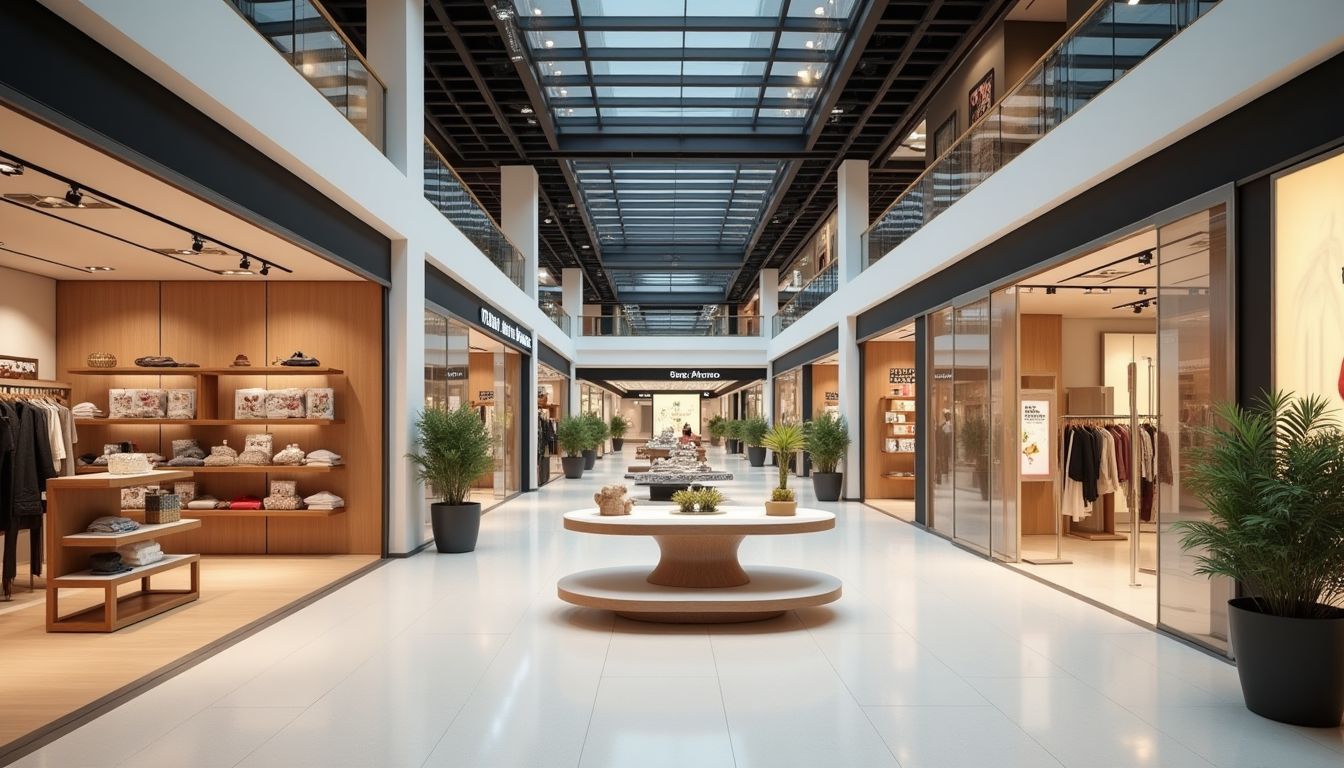
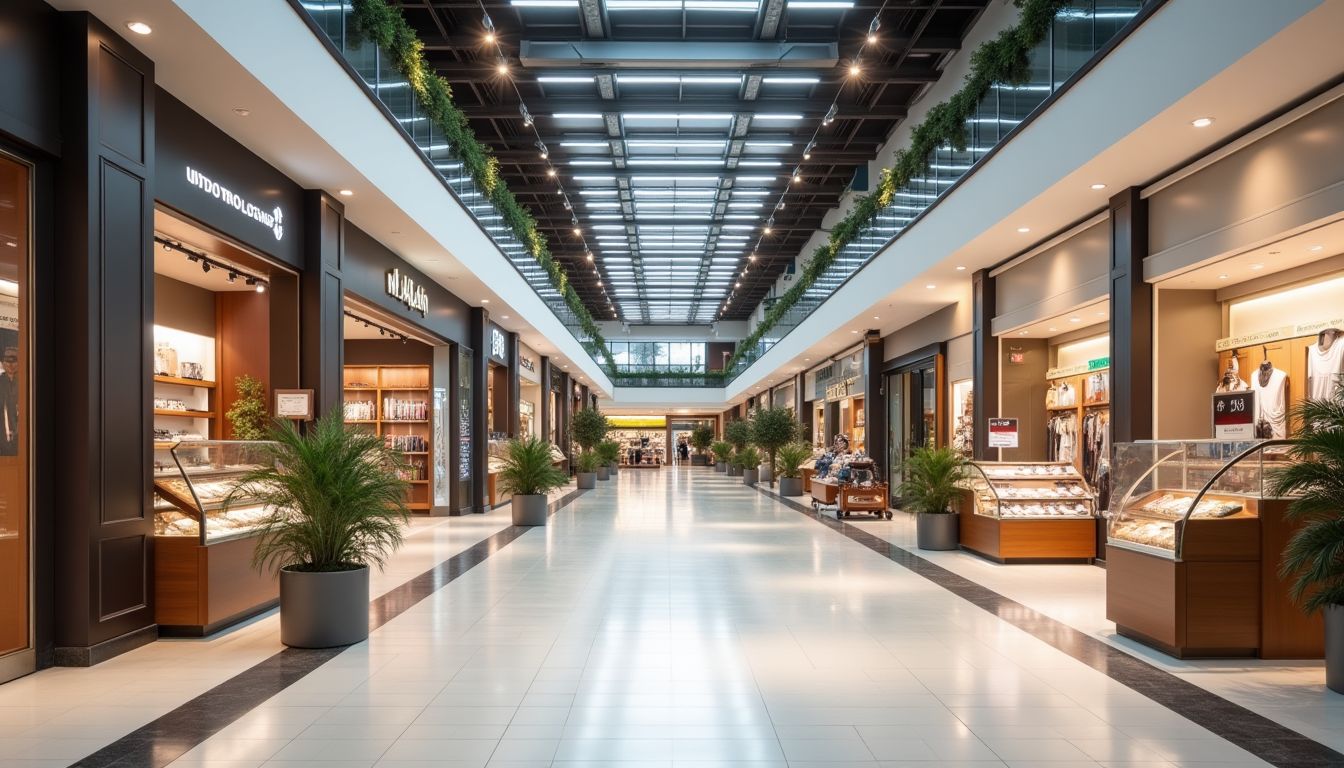
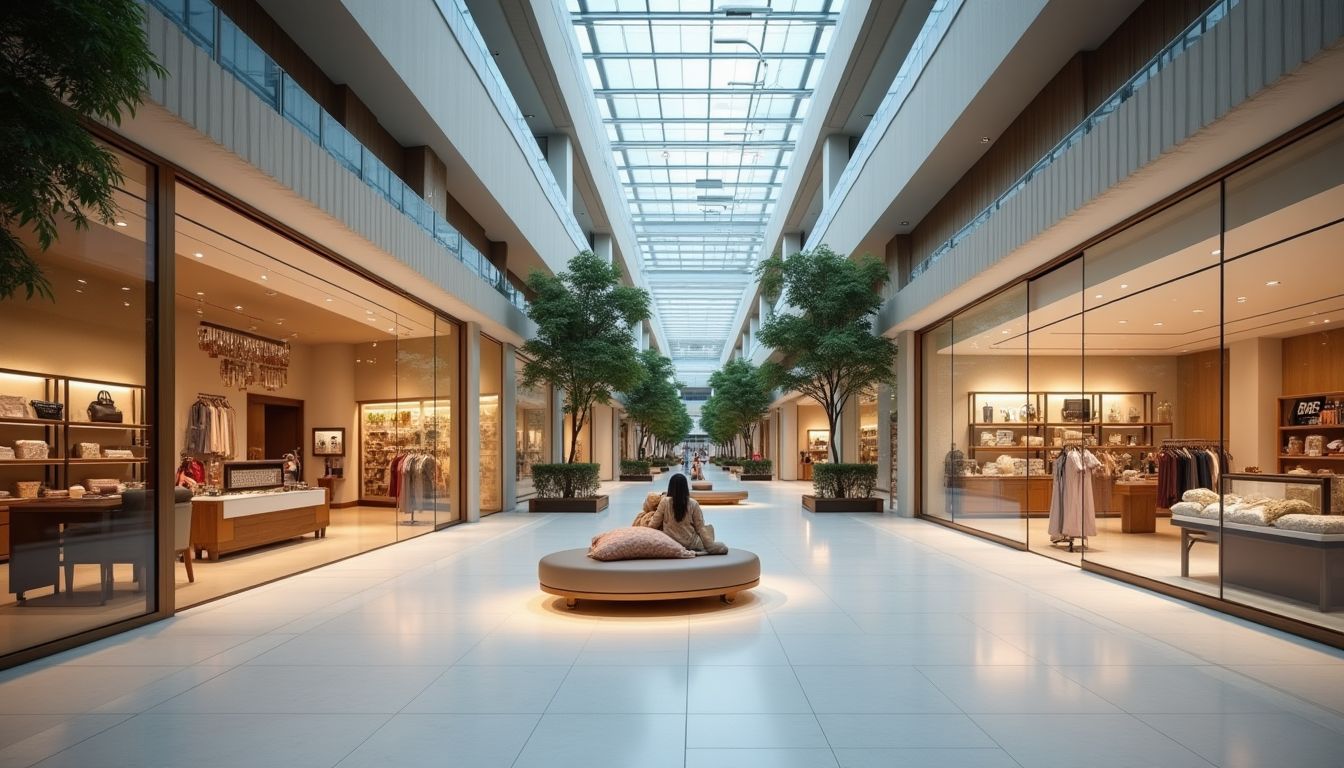
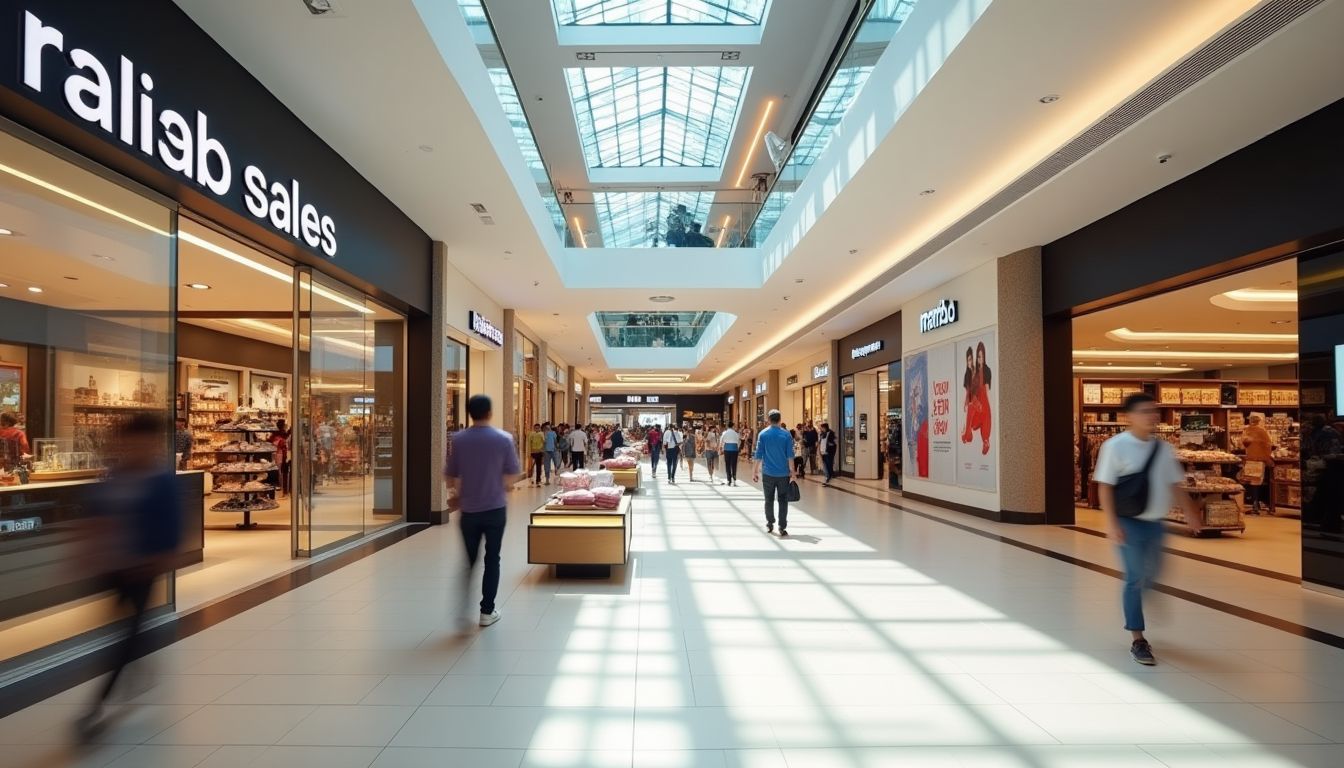
It started with a conversation at a Klang Valley shopping mall, sometime in mid-May. A friend who manages buying for a mid-range fashion label told me she had just come out of a quarterly review where the mood, politely speaking, was not great. Footfall was down. Conversion was flat. And yet the brand's Shopee store had just had its best month ever. "The mall isn't dead," she said, stirring her teh tarik slowly. "But it's not the same thing it used to be."
That tension — between a physical retail landscape that still draws crowds and a digital commerce layer that is quietly absorbing more of the spending — sits right at the heart of what is happening in Malaysian retail in mid-2026.
A 3.7% Growth Number That Tells Half the Story
In early June, The Edge Malaysia reported that Malaysia's Q1 2026 retail sales growth came in at just 3.7%, below industry expectations — enough for the Retail Group Malaysia to revise its full-year forecast downward. On the surface, this reads as a story about cautious consumers, rising operating costs, and the lingering squeeze on household budgets.
But zoom in, and the picture fractures. Not every retailer is feeling the same pressure. Value-format grocers are holding steady. Specialty and experience-driven categories are outperforming. And the pain is being felt most acutely in the middle — mid-market fashion, general merchandise, and department store anchors that no longer offer a compelling reason to make the trip.
This is less a slowdown across the board than a resorting of where Malaysians choose to spend — and when they do spend, what they expect in return.
For context, diesel prices on the peninsula dropped 30 sen to RM4.37 for the week of June 18–24, according to The Star, while RON95 and RON97 remained unchanged. For logistics-heavy retailers and franchise operators, that is a modest but real breathing room on costs. Whether it translates to shelf price relief — and whether that moves consumer sentiment — is a different question entirely.
The Value End Is Holding, the Premium End Is Pushing
Here is the quiet structural story that the aggregate 3.7% figure obscures: the Malaysian retail market is increasingly bifurcating.
At the value end, formats like 99 Speedmart and Mydin continue to benefit from the cost-conscious grocery run. The convenience-proximity model that 99 Speedmart has perfected over the past decade — small footprint, hyperlocal placement, no-frills SKU discipline — is genuinely resilient in an environment where households are watching discretionary spending. Econsave, particularly in secondary towns and semi-urban corridors, is seeing similar dynamics.
At the premium end, something different is happening. Village Grocer and the elevated fresh-food formats within Aeon are not exactly suffering. Aspirational grocery spending, it turns out, is somewhat sticky. When Malaysians trim their budgets, they tend to cut frequency before they cut the quality of their weekly shop. A family might visit Village Grocer twice a month instead of four times — but they do not necessarily trade down.
The middle is where the pressure concentrates. Legacy hypermarket formats — think Lotus's working through its post-Tesco repositioning, or the gradual contraction of Giant's footprint — are caught between value shoppers who can find cheaper and convenience shoppers who prefer smaller, closer, faster.
This bifurcation is not unique to Malaysia; it mirrors what we have seen in Thailand and Indonesia over the past 18 months. But in Malaysia, the dynamic is sharpened by a particularly active e-commerce layer sitting above everything else.
New Entrants Are Reading the Room Differently
One of the more telling signals this week came from consumer electronics. Singapore-based PRISM+ has announced plans to expand its product range and widen its physical retail footprint in Malaysia, according to The Sun Malaysia. That is a meaningful move — and a somewhat counterintuitive one given the softening headline numbers.
But PRISM+ is betting on something specific: that Malaysian consumers in the value-premium electronics space are underserved, and that a physical presence — showrooms, touchpoints, post-sales trust-building — still closes the deal for considered purchases that e-commerce alone cannot fully convert. It is a thesis that Mr DIY proved in the home improvement category over the past half-decade: own the physical experience, use digital to amplify, and the combination is more durable than either channel alone.
For marketers, this is the operative lesson. The question is not "physical or digital" but rather "what does physical need to do that digital cannot?"
When it comes to brand storytelling in-store and online simultaneously, platforms like Creamatch — Malaysia's managed creator content platform — are becoming more relevant to retail brands trying to bridge that gap. Creator-led content that feels native to Shopee or Lazada's discovery environment, while also driving footfall to a physical launch or activation, is a creative challenge that requires coordination, not just reach.
What Retail Brands Should Do With This Quarter
The revised forecast is a signal worth taking seriously — but it should not be read as permission to pull back. A few things are worth acting on now:
-
Double down on occasion-led spending. Malaysians are not spending less on celebrations, gifting, or milestone purchases. Hariraya, year-end, school season — these windows still convert. Retailers that structure their promotional calendar around emotional occasions rather than generic discounts tend to outperform.
-
Rethink mid-market positioning urgently. If your brand or format lives in the middle — not clearly value, not clearly premium — this is the most dangerous place to be in Q2 and Q3 2026. Specificity of purpose matters more than it did two years ago.
-
Watch the fuel price effect on secondary towns. The diesel reduction may seem small, but in logistics-dependent supply chains serving towns in Pahang, Kedah, or Sabah, it has downstream effects on cost structures and potentially on shelf pricing in those markets. Brands with national distribution should be tracking this at the regional level, as Bernama regularly covers price-mechanism updates that affect these corridors.
-
Invest in discovery, not just conversion. On Shopee and Lazada, the battle for basket size is increasingly won at the awareness and consideration stage, not at checkout. Brands that treat these platforms purely as fulfilment pipelines are leaving growth on the table. You can track how content and commerce intersect across the region at Verbrol Pulse.
The Retail Story Is Still Being Written
My friend at the fashion label ended our teh tarik with a question, not a complaint: "How do I make the mall worth it again?" It is the right question. Not "how do I replace the mall" or "how do I survive without it" — but how do I give shoppers a reason that is specific, tangible, and genuinely theirs.
Malaysia's retail market in mid-2026 is not in crisis. It is in a reconfiguration — and reconfiguration, handled well, creates the conditions for a sharper, more resilient industry structure. The 3.7% number is a prompt, not a verdict.
Brands that read it as a reason to get more precise about who they serve and how — rather than a reason to retreat — will be better positioned when the forecast revises upward again. And according to Free Malaysia Today, consumer sentiment indicators still point to underlying household resilience, even as discretionary caution holds.
The shape of Malaysian retail is shifting. The smart move is to shift with intention.
Track Retail trends in real-time at verbrol.com
Read more on Verbrol Intelligence: