Malaysia's EV penetration just crossed 9% of total industry volume — and the brand sitting at the top is not the one most analysts predicted two years ago.
Malaysia's national carmaker sold more electric vehicles in January 2026 than any other brand in the country. Not BYD. Not Tesla Malaysia. Proton.
A National Brand at the Front of a New Race
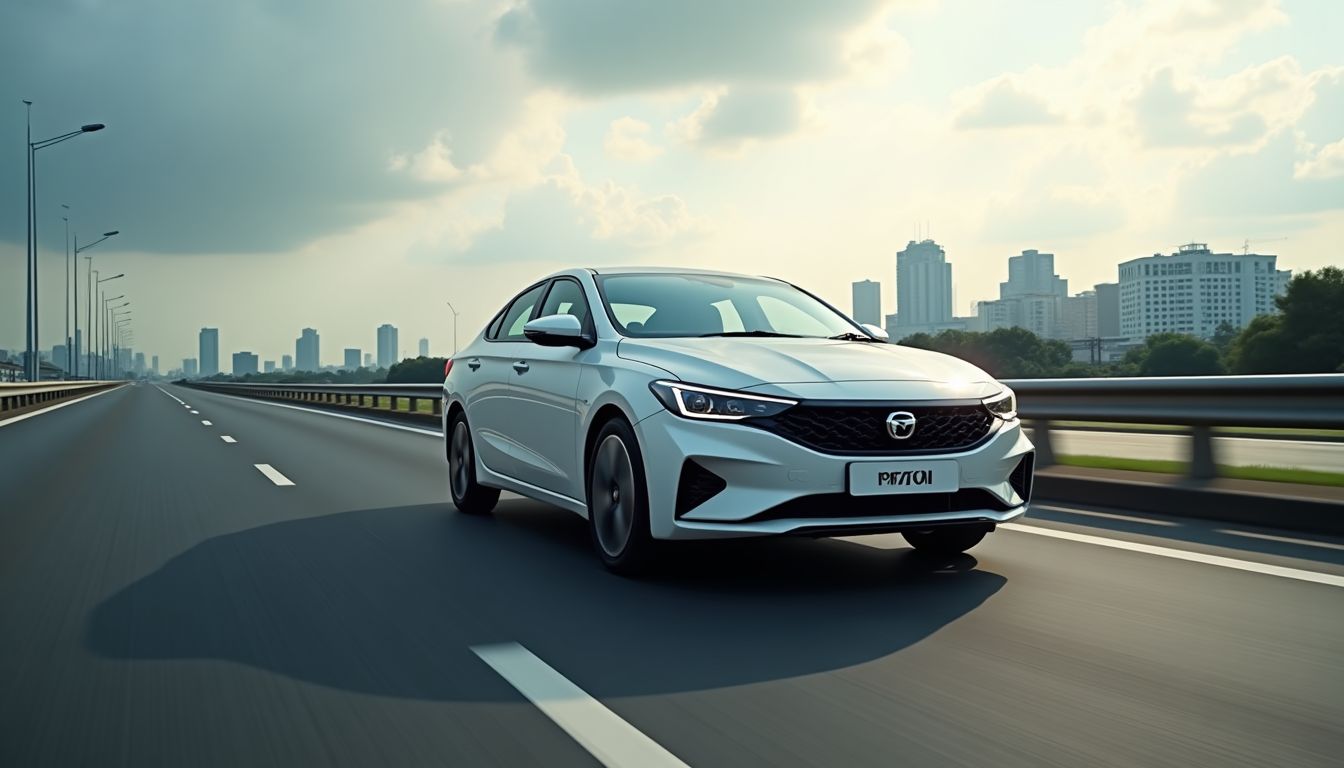
The Proton e.MAS 5 registered 3,068 units in January 2026, claiming the top spot in EV sales as Malaysia's overall electric vehicle share crossed 9% of total industry volume (TIV) for the first time, according to SoyaCincau's market analysis. That is not a minor milestone. In a market where Perodua and Toyota Malaysia have long anchored the volume conversation, a domestically-badged EV reaching the summit signals something more structural than a good month.
This did not happen purely through product engineering. On social media, a viral TikTok moment generated 1,607 Proton bookings within 24 hours — not because the vehicle was technically superior to alternatives, but because visible social excitement compressed the decision cycle. Large purchases, it turns out, are not immune to the same impulse mechanics that drive fast-moving consumer goods. Brand managers tracking automotive verticals should register this as a distribution-of-attention problem as much as a product problem. Platforms such as Creamatch, Malaysia's managed creator content platform, are increasingly relevant here — organic creator enthusiasm is now a measurable demand lever, not a soft brand metric.
BYD Still Defines the Baseline — But the Ceiling Is Moving
Contextualising Proton's January performance requires acknowledging the infrastructure BYD has constructed over three years. BYD has sold more than 20,000 vehicles in Malaysia to date, claiming the top EV brand position for three consecutive years. Its cumulative lead is real. But cumulative figures obscure directional momentum, and January's unit breakdown suggests Proton is compressing the gap in monthly flow rates.
The competitive picture also includes Honda Malaysia and Mazda Malaysia, both of which are navigating the transition from internal combustion dominance toward hybrid and EV positioning. Neither has yet produced a single month that challenges the current EV frontrunners on unit volume, but their dealer networks and service infrastructure represent a competitive moat that pure-EV entrants cannot replicate quickly. The structure of the market, therefore, is layered: BYD holds cumulative authority, Proton holds current momentum, and the legacy Japanese brands hold infrastructure depth.
The Value Chain Argument Is No Longer Theoretical
Higher EV penetration is commercially meaningful only if Malaysian industry captures value at multiple points in the supply chain — not merely at final assembly. Industry observers and policymakers have emphasised that Malaysia's automotive sector must move up the value chain to remain competitive in an evolving mobility landscape. This is not a rhetorical position — it has direct investment implications.
EP Manufacturing's announcement of a RM200 million vehicle paint facility is precisely the type of upstream investment the value chain argument demands. Surface finishing and coating processes are not glamorous, but they are critical, high-margin steps in vehicle production that Malaysia currently imports expertise for. If domestic suppliers can close that gap, the industry retains more economic value per vehicle — a calculation that matters whether the drivetrain is electric or combustion.
The Malaysian Vehicles Market data for 2026 indicates a market that is expanding in complexity even as it grows in volume. Brand managers and marketers working with automotive clients need to track not just which models are selling, but which production nodes are being localised — that determines where durable commercial relationships form.
For a real-time read on how these industry signals aggregate, Verbrol Pulse tracks automotive market movements across news and social channels in the Southeast Asian region.
What the New Proton Suprima S Tells Us About Brand Confidence
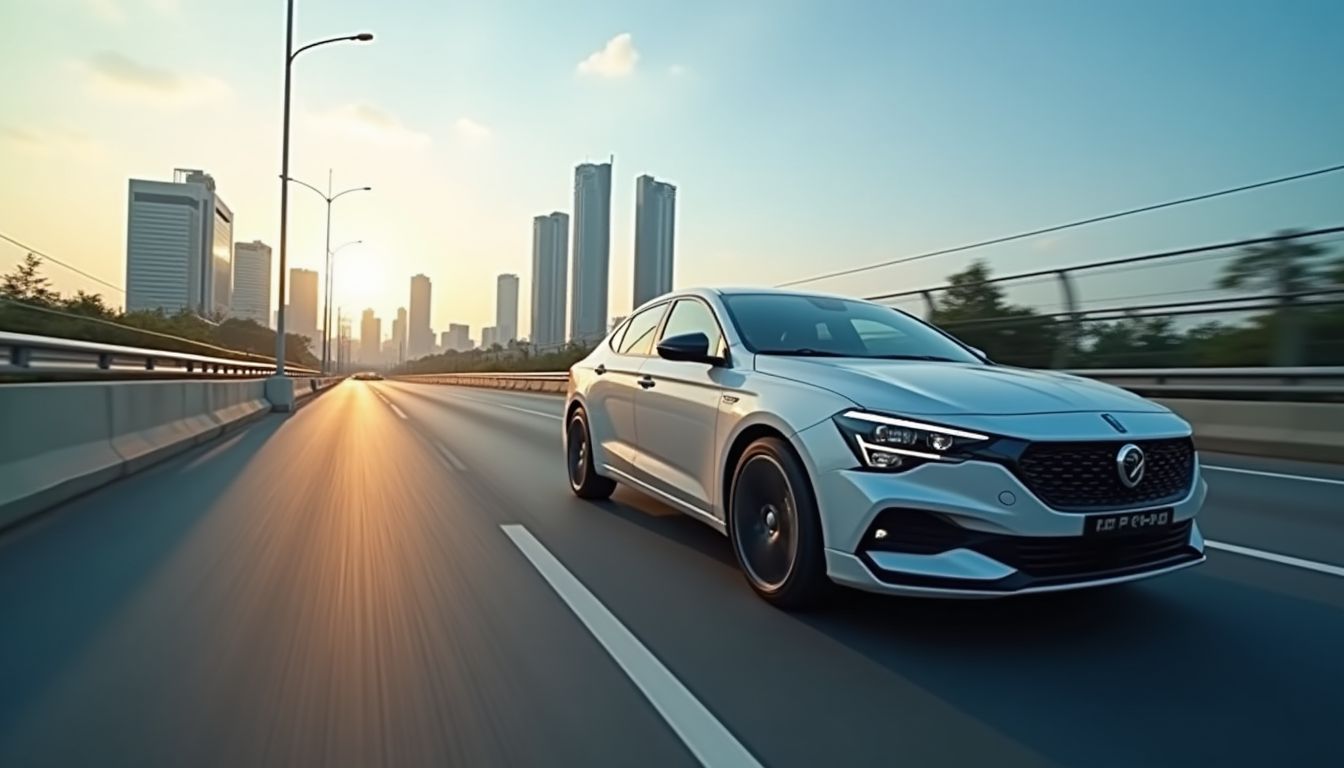
Amid the EV headline noise, Proton also launched the Suprima S hatchback in two variants priced between RM77,000 and RM80,000. The move is strategically coherent: it addresses a segment — the premium hatchback buyer — that Proton has not served with a fresh nameplate for years. Reactivating a legacy badge with updated positioning is a measured bet, particularly at a price point that sits above Perodua's ceiling but below the imports.
The Suprima S launch confirms that Proton is not making a binary pivot to EVs at the expense of its combustion range. It is running parallel product tracks, which requires marketing precision. Messaging for an RM78,000 hatchback and a fully electric SUV must operate in distinct consideration frames, even within the same brand architecture. According to Bernama, broader industry commentary has noted that consumer sentiment in Malaysia's auto market is increasingly segmented by fuel type, price band, and digital discovery channel — a combination that rewards granular campaign planning over broad awareness spending.
The Sun Malaysia's coverage of the automotive value chain debate reinforces that domestic brands face pressure not just from imported EVs but from expectations around software integration, over-the-air updates, and connected car services — capabilities that redefine what "automotive manufacturing" actually means in 2026.
Three Takeaways for Marketers and Brand Managers
- EV consideration is now a mainstream funnel, not an early-adopter edge case. At 9% TIV, EV buyers are no longer a niche segment requiring specialist messaging. Campaigns that still treat EV interest as peripheral will undercount the addressable market.
- Social proof compresses automotive purchase timelines. The 1,607 Proton bookings in 24 hours following a TikTok wave is empirical evidence that social narrative velocity affects big-ticket decisions. Budget allocations that ignore creator-driven discovery are structurally misaligned with how consideration actually forms.
- Supply chain investments are brand signals. RM200 million paint facilities and upstream localisation efforts shape consumer and B2B confidence in ways that conventional advertising cannot. Communicating manufacturing depth is now part of the automotive brand story, not a footnote for investor relations.
Malaysia's auto market in mid-2026 is not simply growing — it is reorganising around new capability centres, new attention channels, and new brand hierarchies. The brands that move fastest in mapping that reorganisation will define the next three years. Track Auto trends in real-time at verbrol.com.
Read more on Verbrol Intelligence: