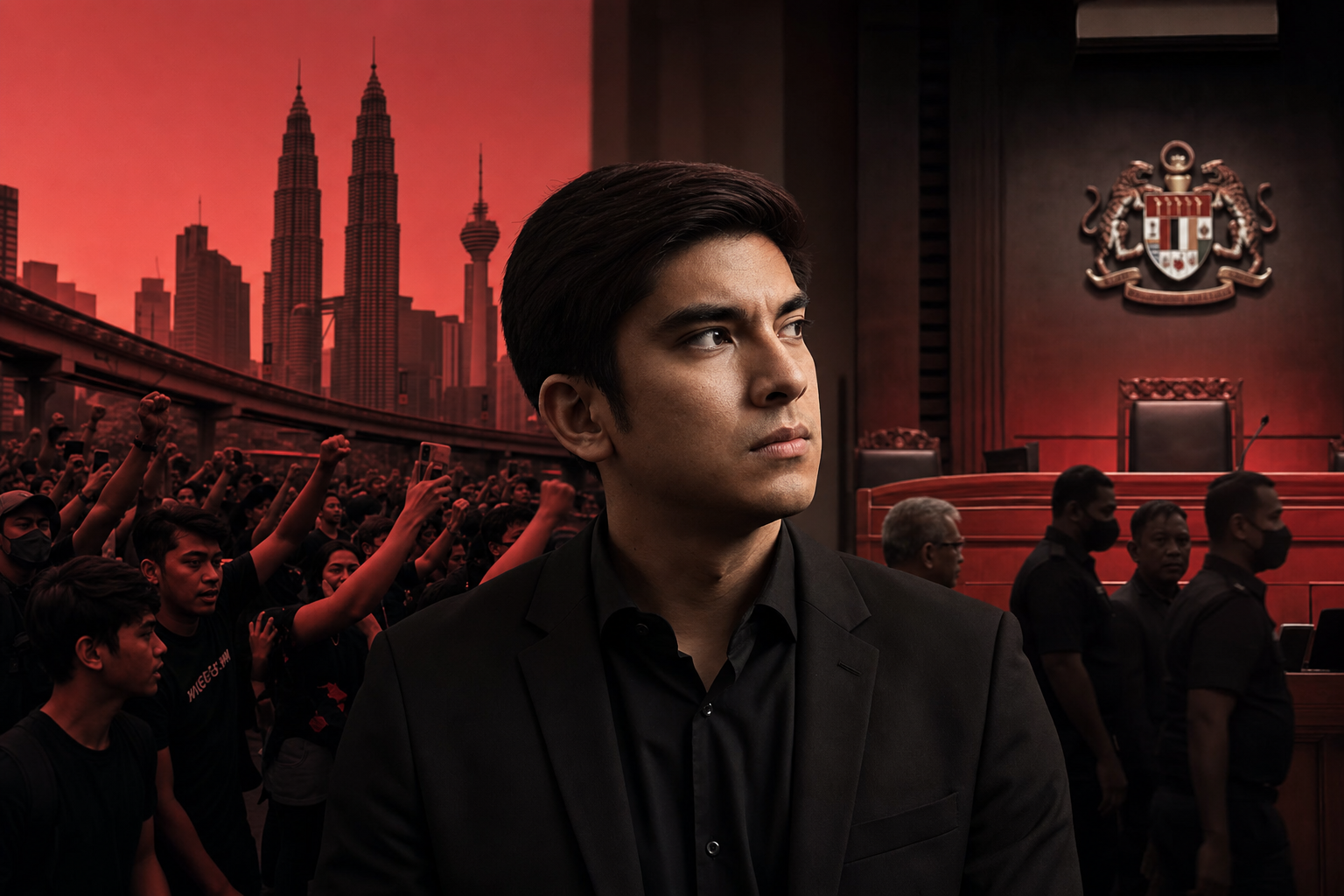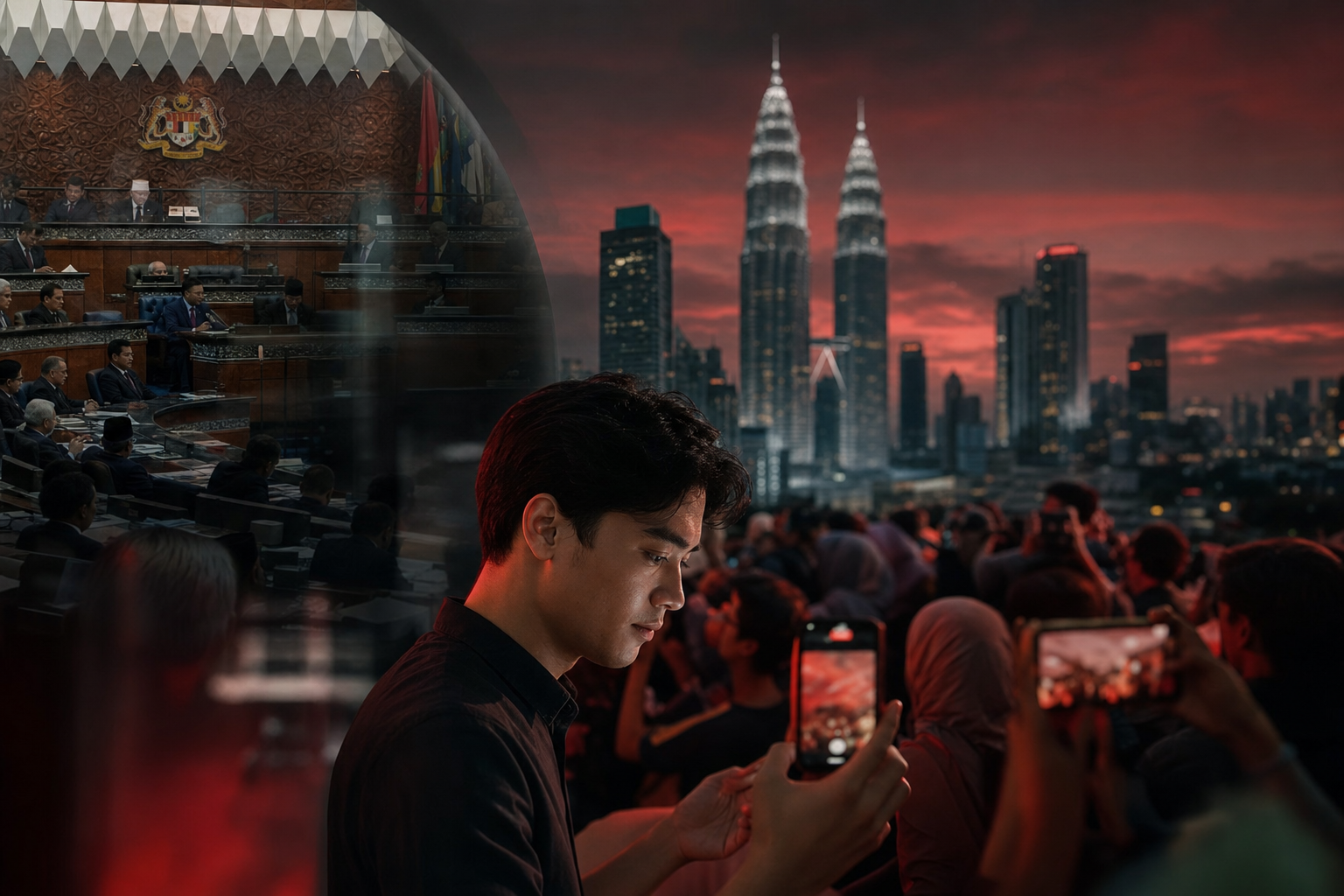
Malaysia's political scene in 2026 looks stable on the surface — but Verbrol's signal analysis tells a more complicated story. The real power shift isn't happening in Parliament. It's happening on Instagram, in Cyberjaya, and at bilateral summits most Malaysians scrolled past. Here's what's actually going on.
Malaysia's Politicians Are Becoming Influencers — And That's a Problem Nobody's Talking About
Let me be direct with you: Malaysian politics in mid-2026 is performing a very convincing impression of stability. PM Anwar is meeting Elon Musk. Bangladesh's new PM is flying to Kuala Lumpur before Delhi. Energy security is being framed as a diplomatic achievement. Everything looks choreographed, composed, and on-brand.
That's precisely what should make you nervous.
Based on Verbrol's analysis of 30+ signals from news, YouTube, and social media over the past 48 hours, a pattern is emerging that most Malaysian political commentators haven't named yet: the machinery of Malaysian governance is increasingly optimised for optics, not outcomes. And the line between political leadership and content creation has never been thinner.
This isn't just a vibe. It's a structural shift — and it has real consequences for how brands, marketers, and institutions should read the political environment heading into the second half of 2026.
The Thesis Nobody Else Is Running: Governance Is Being Repackaged as Content
Here's Verbrol's original take — the Hidden Winner angle: while everyone watches the political headlines, the real winner in Malaysia's 2026 political economy isn't a party or a politician. It's the format — the press moment, the bilateral handshake, the viral clip.
Consider what crossed our signal feeds in the past 48 hours:
- PM Anwar is expected to jointly officiate the Tesla-Malaysia headquarters in Cyberjaya with Elon Musk — a story reported by Astro Awani that reads less like governance news and more like a product launch event.
- Anwar's framing of political stability as a driver of energy security positions his administration's political durability as a literal economic asset — which is smart, but also conveniently self-promotional.
- A Straits Times analysis on Malaysia's celebrity politics and politicians-as-influencers surfaced in the same news cycle — not coincidentally.
None of these signals, in isolation, is alarming. Together? They sketch the outline of a political class that has internalised the creator economy playbook.
And here's the uncomfortable truth for anyone in marketing or brand strategy: when politicians become influencers, the rules of political engagement change entirely — for everyone.
What the Data Actually Says About Malaysia's Political Signals Right Now
Let's be honest about the engagement numbers first. Based on Verbrol Pulse tracking across news and social platforms, nearly every political news item in this 48-hour window registered zero meaningful public engagement on social media. The Tesla-Musk story? Zero engagement on social signals we tracked. The energy security speech? Same.
The one item that did get traction — a YouTube comment praising RTM for broadcasting the World Cup and thanking the government ministry involved — garnered a modest engagement of 1. That's not nothing. That's actually telling.
The rakyat responds to tangible benefits, not press choreography.
While RTM's World Cup broadcast sparked organic gratitude online (low volume, but genuine), the high-production bilateral diplomacy moments generated nothing. Zero resonance. Zip.
This matters enormously for political marketers and communications professionals: the gap between political content production and actual public resonance is widening. Producing more polished content isn't closing that gap — it may be making it worse.
A Malaysiakini letter published this week put it plainly: Malaysia needs leadership that goes beyond race and religion — and the public, judging by low engagement across the board, seems to be waiting to see if that actually materialises, rather than celebrating announcements.
The Geopolitical Angle That Brands Are Ignoring
Here's where it gets strategically interesting for anyone operating in the Malaysian market.
Bangladesh's new prime minister choosing Malaysia and China over India as his first foreign visits is a quiet but significant signal. Malaysia is being positioned — and is actively positioning itself — as a neutral, stable, Islamically-aligned diplomatic hub in a fractured global order.
For brands, this has real implications:
- The halal economy angle is getting geopolitical weight behind it. Political stability-as-branding (the Anwar narrative) is attracting foreign capital and diplomatic traffic that creates downstream market opportunities.
- The MACC probe on Padini's external counterparties — which sent Padini shares to a six-year low — is a reminder that political risk in Malaysia's corporate governance space remains very real. Political stability at the top doesn't immunise the market from institutional accountability risks below. According to Bernama, corporate-political intersections remain a live issue.
- Media Prima winning nine awards at the Kelantan media honours while operating in an increasingly influencer-driven media landscape is its own paradox — legacy institutions collecting trophies while platforms like YouTube and TikTok eat their audience share.
For brands navigating political adjacency in their content strategy, this environment rewards careful positioning over loud alignment. If your brand wants to activate politically-conscious content, working through a managed platform like Creamatch — Malaysia's managed creator content platform — makes more sense than ever. You need creators who understand the nuance of what to say, how to say it, and crucially, what not to touch.
What This Means for Malaysian Brands and Marketers in H2 2026
Let me close with the actionable layer, because Verbrol is in the business of intelligence you can use.
1. Political adjacency is high-reward but newly high-risk. With MACC probes, corporate governance scrutiny, and a political class that's increasingly performative, brands that associate too closely with specific political moments risk being caught in the backlash when the optics collapse. The Padini case is a warning shot.
2. The rakyat's engagement tells you more than the press release. Zero engagement on multiple major political news items — including Tesla, bilateral diplomacy, and media awards — while a single grateful comment about RTM's World Cup broadcast gets traction tells you everything about where authentic sentiment lives. According to Free Malaysia Today, public frustration with performative governance has been a running undercurrent for months.
3. Geopolitical positioning is Malaysia's real brand asset right now. If your brand operates regionally or internationally, Malaysia's emerging role as a neutral diplomatic and investment hub is a narrative worth attaching to — carefully, and with data to back it up. Track these signals consistently through Verbrol's intelligence platform.
4. Governance — not just funding or optics — is what sustains institutions. This was the top takeaway from the Startup ASEAN Summit covered in our signal set this week, and it applies equally to political institutions: the systems that outlast any single administration are the ones built on accountability, not content.
The Bottom Line
Malaysia's political landscape in June 2026 is stable enough to be comfortable and performative enough to be dangerous. The real power isn't shifting between parties — it's shifting toward whoever controls the format of political communication. Right now, that looks like it's the PM's office. In six months, if public engagement continues to flatline on major political stories, that calculation could change fast.
For marketers, the message is simple: read the signals, not the press releases.
Verbrol is watching it all so you don't have to miss the moment it tips.
Track Politics trends in real-time at verbrol.com
Read more on Verbrol Intelligence: