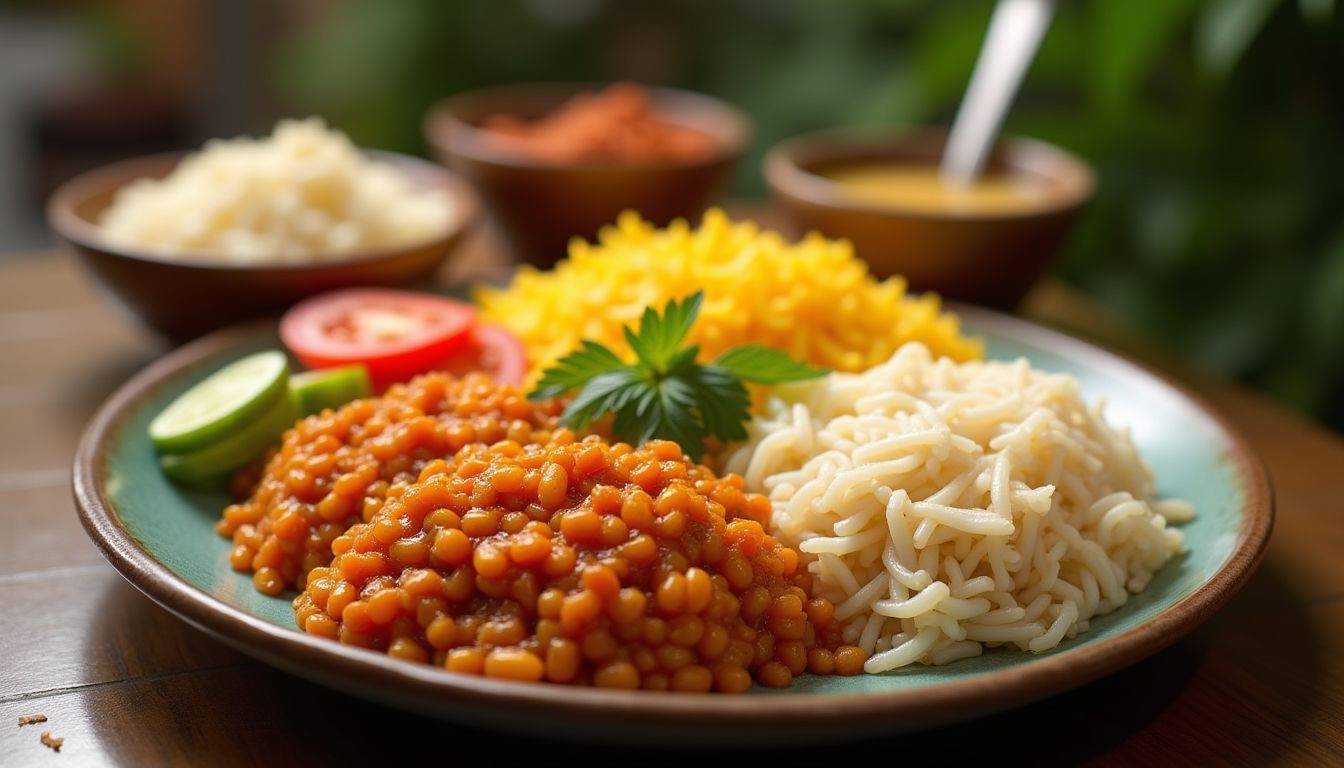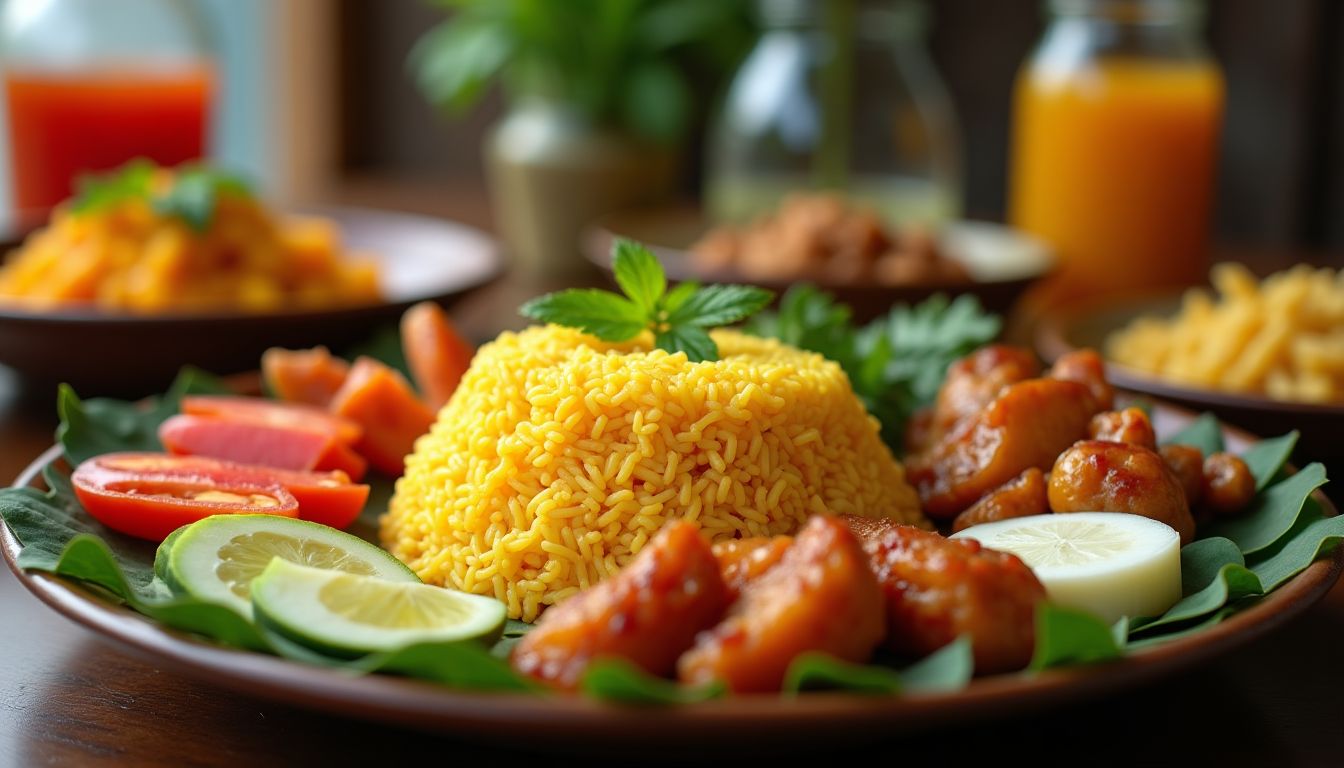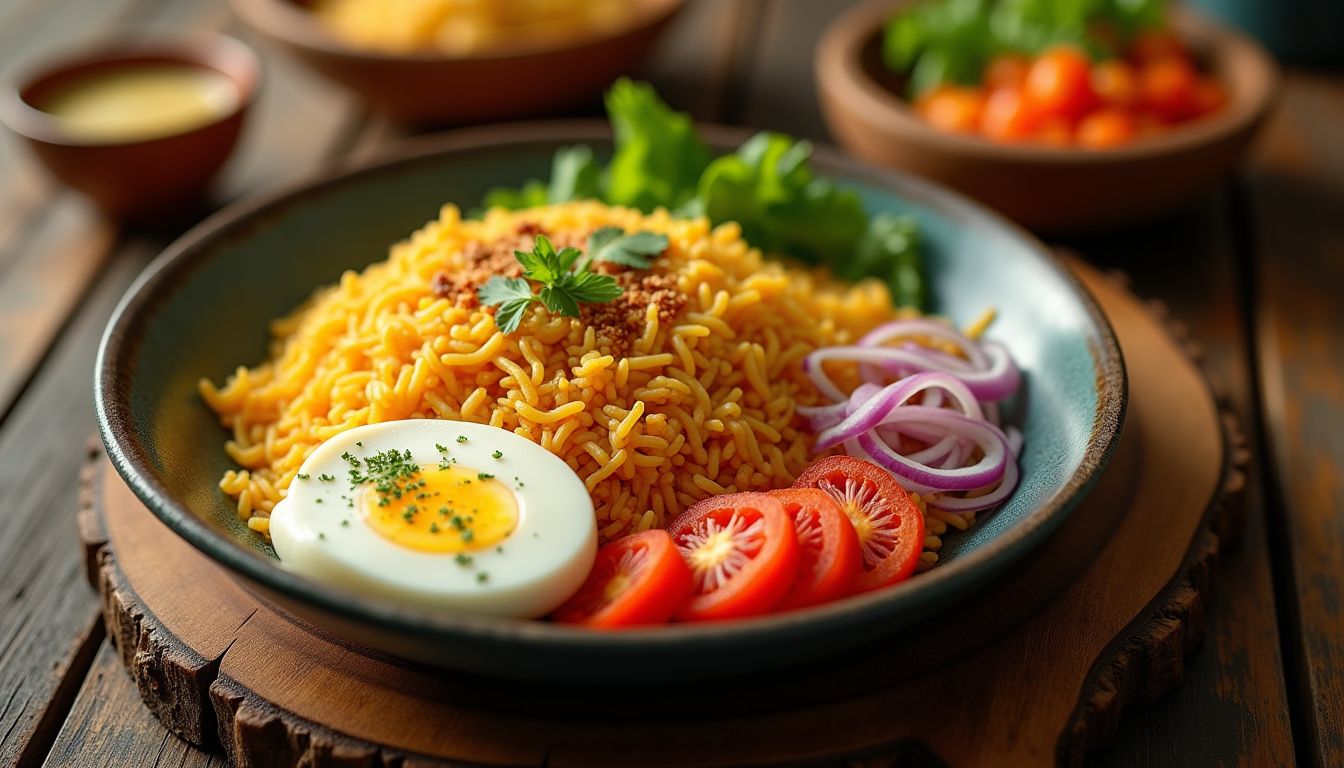
Big money is flooding into Malaysia's food and beverage sector — McDonald's, HWC Coffee, Michelin — but the operators quietly taking ground are selling something no loyalty card can replicate.
The Queue Outside Tells You Everything
On a Wednesday morning in Petaling Jaya, a queue forms outside a kopitiam before the shutters are fully raised. It is not a new concept. It is not a pop-up. It is not an influencer-endorsed drop. It is just kopi, kaya toast, and the smell of charcoal — and people are lining up for it the way they used to queue for limited-edition sneakers.
This is the signal that matters most in Malaysia's food and beverage sector right now. Across the country, an industry worth billions of ringgit is splitting into two very different trajectories: brands that sell a genuine experience, and brands that sell content. One is winning. The other is quietly losing ground — sometimes spectacularly.
Expansion Numbers Hide a More Complicated Picture
The headline figures for mid-2026 are genuinely impressive. McDonald's Malaysia has announced plans to add 100 new outlets, a move that reflects sustained confidence in the domestic market's consumption appetite. HWC Coffee — the local chain that has quietly built a loyal base without the noise of its bigger competitors — is targeting 85 new store openings. The Malaysian International Food and Beverage Trade Fair is positioning itself as a launchpad for long-term brand growth, and Statista's revenue data for Malaysia's food and beverage services sector shows a sector that has grown consistently since 2014, with pandemic disruption now firmly in the rearview.
But here is what the expansion announcements do not say: the competitive floor is getting harder. ZUS Coffee has built a dense urban network with a tech-forward ordering experience. Tealive has demonstrated that a local brand can scale regionally without losing its identity. Old Town White Coffee has spent years converting kopitiam nostalgia into franchise infrastructure. These are not small operators — and they are all fighting for the same afternoon daypart, the same grab-and-go commuter, the same suburban family looking for a third place that is not a mall food court.
The broader F&B battle for Malaysian taste buds is no longer just about price point or location — it is about what a brand makes a customer feel when they walk through the door.
Trust Is the Ingredient Nobody Is Budgeting For
While the expansion plans make headlines, the compliance failures are making a different kind of noise — the kind that erodes brand equity quietly and then all at once.
In the past week alone: coffee and biscuit products were ordered off shelves after pig bristle brushes were found in the production process — a catastrophic finding in a majority-Muslim market where halal certification is not a marketing badge but a baseline expectation. Six companies were charged in connection with a food supply tender cartel, involving procurement fraud for institutional food contracts. And a viral report of maggots found in fried chicken at a Malaysian restaurant circulated internationally via NDTV, reaching audiences well beyond the domestic market.
These are not isolated incidents. They are symptoms of a sector scaling faster than its quality controls and regulatory oversight can keep pace with. For brand managers, the lesson is uncomfortable but clear: in a market where social media amplifies a single hygiene failure to hundreds of thousands of people within hours, operational trust is not a back-office concern. It is a frontline brand asset.
For F&B players using creator partnerships to build reach, this raises an additional layer of responsibility. When a brand's content pipeline runs through influencers and social channels — as many do via platforms like Creamatch, Malaysia's managed creator content platform — a product scandal does not just hit the brand. It hits every creator who has publicly endorsed it. The reputational exposure travels in both directions.
Nostalgia Is a Strategy, Not Just an Aesthetic
The kopitiam revival is real, and it is financially significant. Nescafé's decision to relaunch packaging tied to kopitiam memory is not a design team's mood board choice — it is a calculated response to demonstrated consumer demand. Kopitiam nostalgia has gone mainstream across Malaysia's café culture, and the operators moving fastest to meet it are the ones understanding that the emotion being sold is belonging, not caffeine.
This sits alongside two other signals that point in the same direction. The Michelin Guide Kuala Lumpur & Penang 2026 has expanded its recognition of Malaysian restaurants — bringing international credibility to a dining scene that Tourism Malaysia has been positioning as a culinary destination for years. Separately, a 'Tomyam Malaysia' restaurant opening in India went viral, demonstrating that Malaysian food identity carries genuine export value when the product is authentic enough to travel.
What these signals collectively suggest: the F&B operators gaining ground are those selling a specific, rooted experience — a place, a flavour, a memory — rather than chasing trend cycles. Brands like Secret Recipe and Marrybrown have survived multiple market cycles precisely because they made themselves part of routine Malaysian life, not just the viral moment. That is a harder thing to copy than a menu item.
What Brand Managers Should Take from This Quarter
For Malaysian marketers and agency professionals tracking this sector, the practical read from the current data is this:
-
Operational credibility is now a marketing deliverable. Halal compliance, hygiene standards, and supply chain transparency are not compliance team problems — they are brand story inputs. Consumers and media will surface failures faster than any PR team can contain them.
-
Experience-led formats are outperforming content-led formats. The chain adding 100 outlets is betting on physical presence and consistent in-store experience. The brands losing ground are those whose primary product has become their Instagram feed.
-
Nostalgia works when it is earned. Repackaging into kopitiam aesthetics without genuine product heritage reads as hollow. Brands like Old Town White Coffee carry the narrative because the roots are real. Borrowed nostalgia will not hold.
-
Export signals should not be ignored. The viral spread of Malaysian food concepts in India is an early indicator of regional appetite. For brands with product integrity and a clear identity, the Southeast Asian expansion window — already tracked across Verbrol Pulse — is open.
The Malaysian F&B sector in mid-2026 is genuinely one of the most dynamic consumer markets in Southeast Asia. The Time Out KL dining coverage reflects a city eating with real appetite and real discernment. But the sector's growth will not be distributed evenly. The operators who understand that trust, experience, and authenticity are the actual product — not the food photography — are the ones who will be expanding in 2027.
Everyone else will be explaining a recall.
Track F&B trends in real-time at verbrol.com
Read more on Verbrol Intelligence: