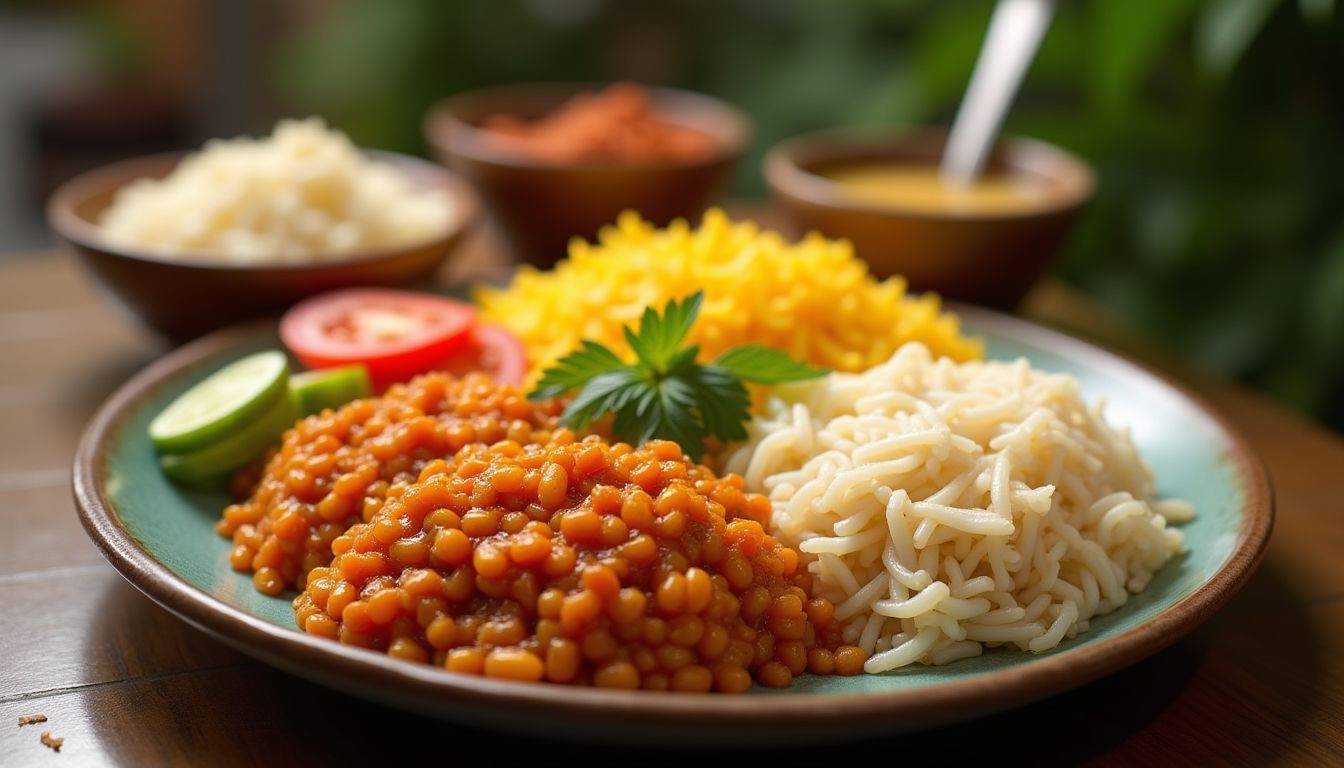
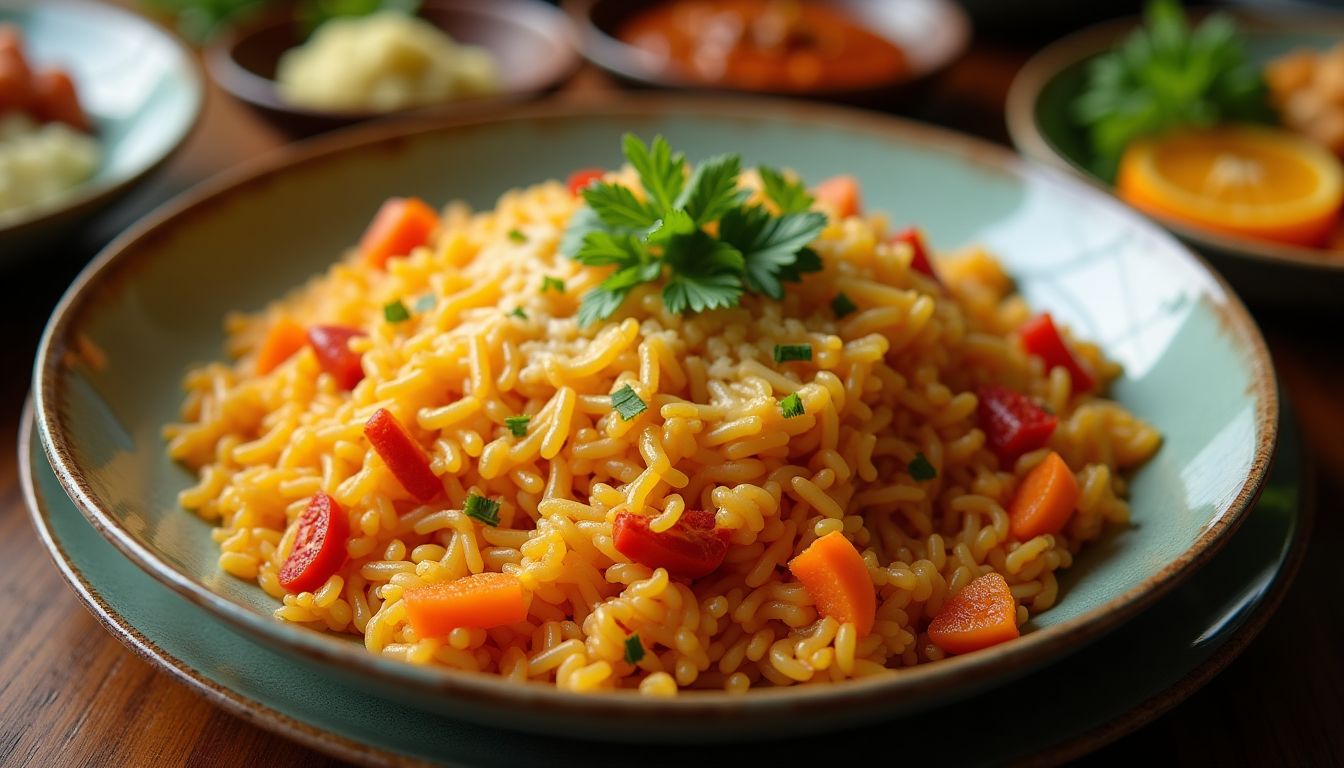
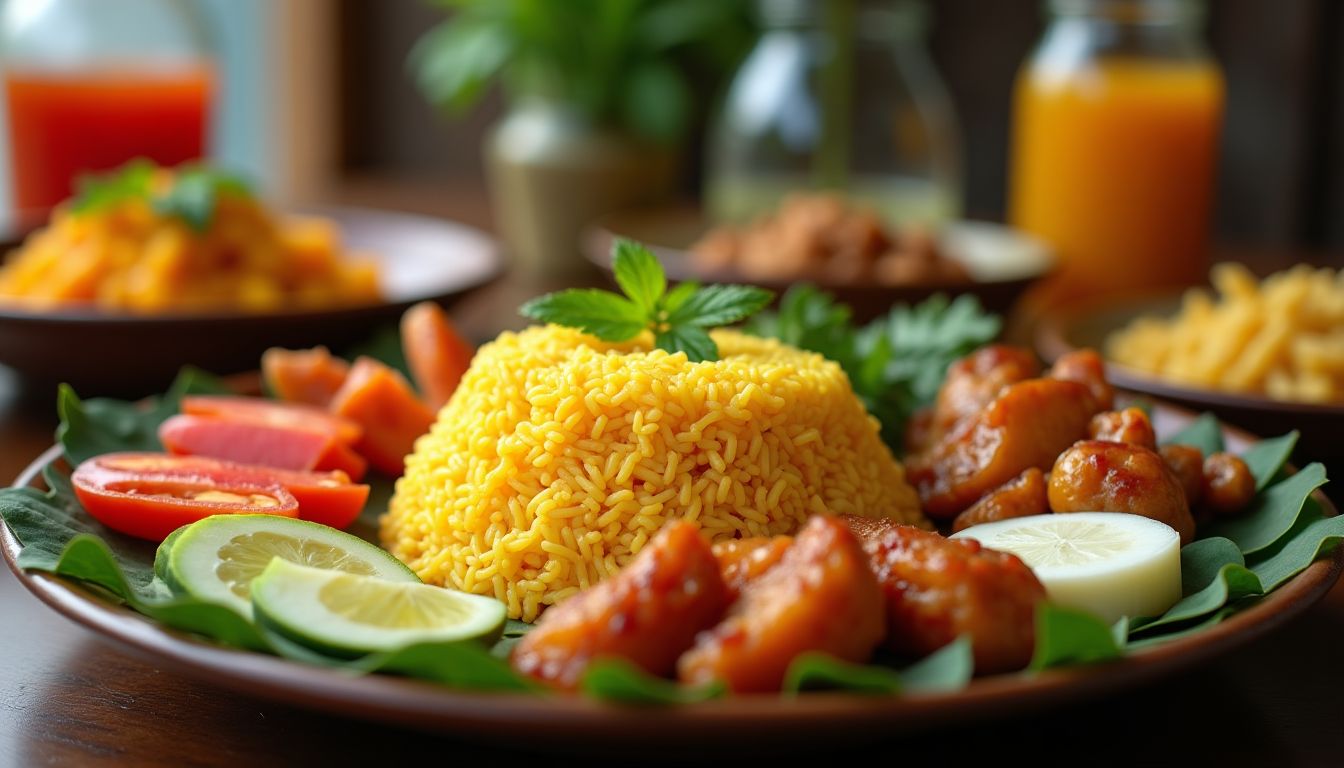
Big money is moving into Malaysia's food and beverage sector — from billion-ringgit World Cup forecasts to Seoul imports that have KL queuing since January. The question isn't whether the market is hot. It's whether your brand is positioned to capture any of it.
I was outside a Korean restaurant in Damansara last Saturday at 6:45pm. Forty-minute wait, no reservations, families sitting on the steps scrolling their phones. Nobody looked annoyed. This is just the normal now — the queue is part of the experience, proof that you picked correctly.
That scene keeps coming back to me when I look at what's happening across Malaysia's F&B sector right now. The demand is visceral. The social energy is real. But for every brand manager reading revenue forecasts and thinking this is our moment, there is a quieter question underneath: what exactly are Malaysian consumers saying yes to, and how long does that yes last?
The Numbers Are Not Subtle
Let's put some context on the table. Revenue from Malaysia's food and beverage services industry has climbed steadily over the past decade, and 2024 and 2025 continued that trajectory as post-pandemic dining habits matured into something more deliberate and experiential. Then came the World Cup pipeline: economists cited by Bernama are projecting up to RM2.1 billion injected into Malaysia's F&B sector through World Cup fever alone — group viewings, late-night mamak surges, delivery spikes, beer gardens, snack runs. That is not a rounding error. That is a structural demand event.
And Malaysia is no longer just consuming — it is increasingly exporting its F&B identity. The upcoming KL expo showcasing Malaysia's growing influence in F&B signals something that was less visible three years ago: Malaysian operators, suppliers, and brand builders are pitching themselves to the region, not just to the local diner.
For brand managers, this dual dynamic — a roaring domestic market and a push for regional credibility — is the environment you are operating in right now.
What the Queue Culture Is Actually Telling You
The Seoul restaurant that KL has been queuing for since January is a useful case study precisely because the food is not the only product being sold. The queue itself is content. The anticipation is the marketing. When Time Out KL covers a new opening and the Instagram stories start appearing before the first lunch service, you are watching a distribution engine that no media buy can fully replicate.
This is where Malaysian F&B brands that have been around for decades face a genuine reckoning. ZUS Coffee understood this early — it built its identity around accessibility and daily ritual but kept its visual language tight enough for social sharing. Tealive moved quickly from mall kiosks to a lifestyle brand with regional ambitions. Both are examples of legacy-adjacent brands that made deliberate choices about how they looked and felt on a phone screen, not just inside a shopping complex.
Contrast that with the challengers: The Edge Malaysia's special report on the F&B battle for Malaysian taste buds framed it precisely right: this is a battle, and it is happening across every format from fast food to artisanal, from hawker revival to Korean import. McDonald's Malaysia and KFC Malaysia are not resting on footfall assumptions — both have rolled out localised limited-time offers at a pace that would have seemed aggressive five years ago. The limited-time offer has become the standard operating rhythm, not the exception.
For brand managers, the takeaway here is uncomfortable but important: if your brand is not generating organic social content from real customers, you are paying more for every conversion than your competitors who are. That gap compounds quickly.
Where the Real Competition Is Being Decided
It is not on the menu. Or rather, the menu is just the entry ticket.
The real competition in Malaysian F&B right now is being fought across three fronts simultaneously: creator distribution, loyalty infrastructure, and occasion ownership.
On creator distribution — brands like myBurgerLab have always had a natural affinity with food content creators, but the sophistication of those partnerships has matured. It is no longer enough to send a PR hamper and hope for an Instagram post. The brands winning this fight are building structured, ongoing relationships with creators who genuinely use the product. Platforms like Creamatch, which connects Malaysian brands with managed creator content, have become a practical solution for F&B players who want consistent content output without the operational overhead of running an in-house influencer programme.
On loyalty infrastructure — Gong Cha Malaysia and Starbucks Malaysia both operate app-based loyalty programmes that have trained consumers to expect points, personalisation, and early access. The data those programmes generate is arguably more valuable than the margin on any individual cup sold. Smaller operators who ignore this are ceding ground they may not recover.
On occasion ownership — Old Town White Coffee owns the breakfast-and-newspaper ritual for a specific demographic. Secret Recipe owns the birthday cake occasion in a way that feels almost contractual. These are not accidents. They are the result of consistent messaging over years. The brands that will define the next decade of Malaysian F&B are quietly staking out their occasion right now, often through content rather than advertising.
You can track how these positioning battles shift week to week on Verbrol Pulse, which surfaces the social and search signals that indicate when a brand's occasion ownership is being challenged or reinforced.
What Brand Managers Should Do Differently This Quarter
Three things, specifically.
First, audit your occasion. Write down the one moment — time of day, emotional state, social context — that your brand owns in a Malaysian consumer's life. If you cannot write it down in one sentence, your team probably cannot execute it either.
Second, treat creator content as infrastructure, not campaign. A single viral video is a lottery ticket. A consistent stream of authentic creator content is a distribution channel. Budget for it accordingly, and consider managed solutions rather than ad hoc outreach.
Third, watch the Korean restaurant queue, but do not copy the Korean restaurant. The queue exists because the product delivered something genuinely novel in a market that is deeply sophisticated about food. Malaysian consumers have eaten everywhere. They know when something is worth waiting for. The lesson is not "be Korean" — it is "be specific enough that people feel they are missing out if they do not experience you."
Malaysia's F&B sector is in a genuinely exciting phase. Tourism Malaysia has long positioned the country's food culture as a primary draw for visitors, and the domestic energy behind that positioning has never felt more alive. The opportunity is real. The execution gap between brands that capture it and brands that watch it pass is narrowing every month.
The brands that move with precision right now — on occasion, on creator distribution, on loyalty data — will look very smart in 2027. The ones waiting for certainty will be funding the next round of competitor case studies.
Track F&B trends in real-time at verbrol.com
Read more on Verbrol Intelligence: