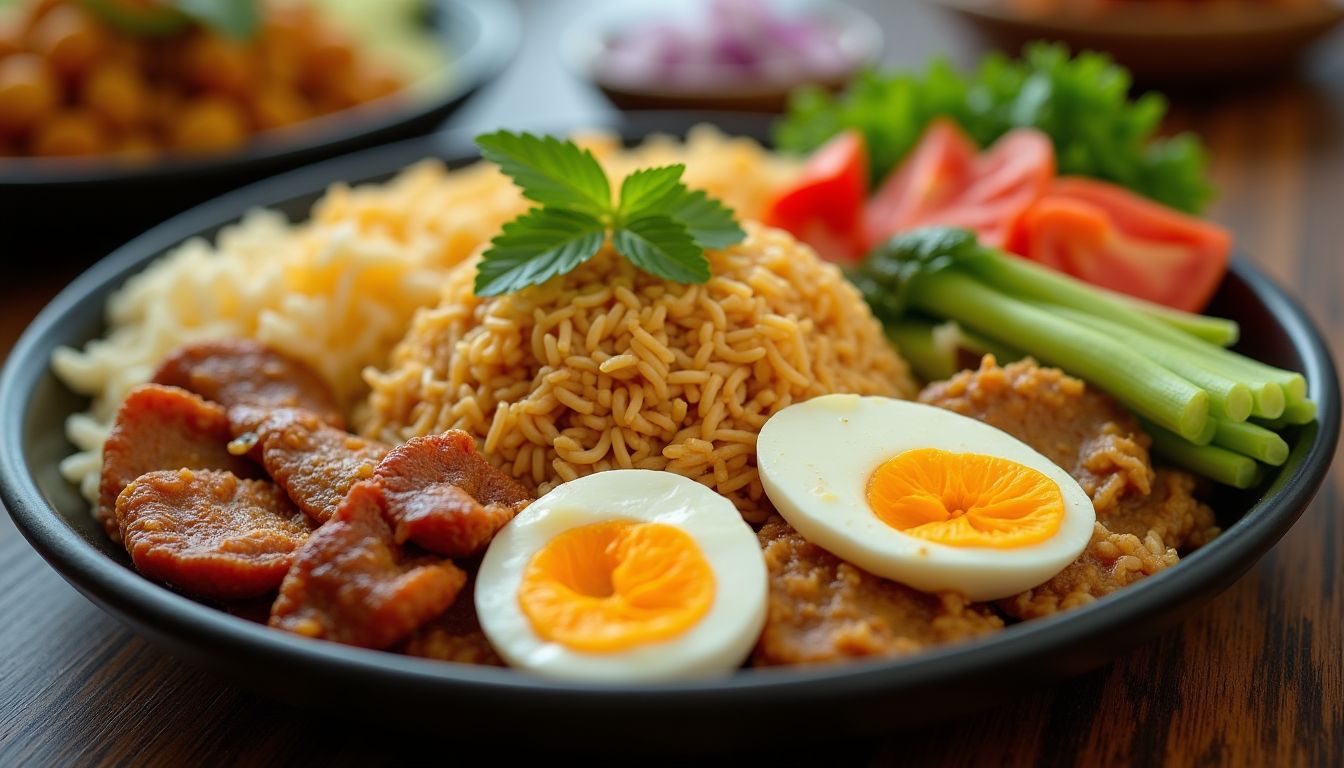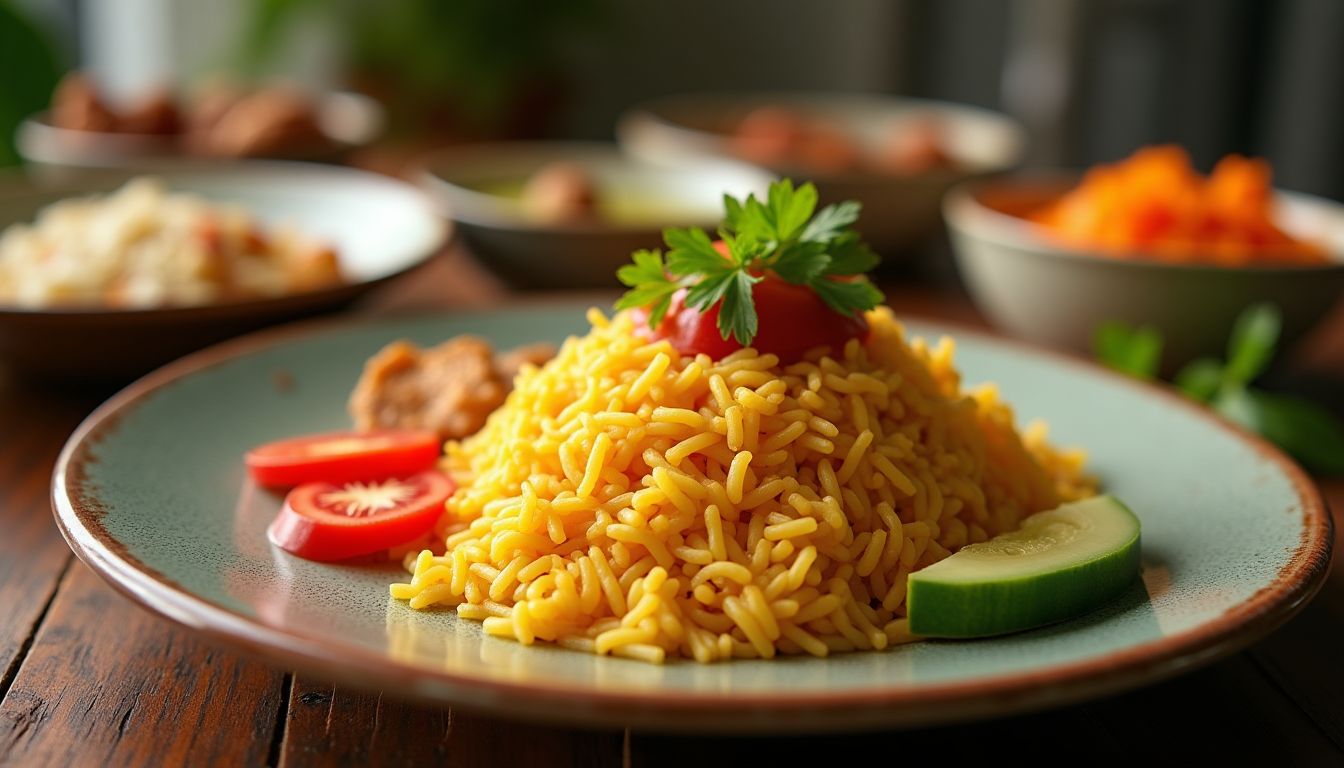
Big money is moving into Malaysia's F&B sector — but the loudest argument this week happened over a glass of cold water at the mamak.
Malaysia's mamak restaurants serve roughly three million customers every single day. That number makes them the most democratic dining institution in the country — and right now, they are at the centre of a surprisingly heated national conversation.
The Free Water Fight Nobody Expected to Go This Far
It started with a policy proposal that seemed straightforward enough: mandate free drinking water at Malaysian restaurants, beginning with mamak stalls. By the time the debate landed on social media this week, it had split into two very distinct camps — and both camps have a legitimate point.
On one side, there is the diner's argument. Water is a basic right. Charging RM0.30 to RM0.50 per glass of cold water feels like a nickel-and-dime move at establishments where margins are built on volume. On the other side, mamak operators are raising something that any F&B brand manager in Malaysia understands instinctively: the economics of the lepak culture.
As one commenter put it plainly this week, a customer who orders a single teh tarik and sits for one to two hours — phone in hand, table occupied — is already a thin-margin proposition. Add free water, and the calculation gets worse. Another voice in the conversation went further, suggesting that mandatory free water should be tied directly to licence renewals, framing it as a compliance issue rather than a generosity one.
This is not a simple consumer-versus-operator story. It is a window into the structural pressure that sits underneath Malaysian casual dining — high footfall, low average spend, real estate costs that do not sleep, and a customer base that has been conditioned to expect extraordinary value. Any brand operating in the mass-market F&B segment, from Old Town White Coffee to the neighbourhood kopitiam, is navigating some version of this tension every day.
World Cup Money: RM2.1 Billion Is Not a Rounding Error
While the water debate plays out at street level, the macro view of Malaysian F&B this week looks considerably more optimistic. According to an economist quoted by NST Online, World Cup fever could inject up to RM2.1 billion into Malaysia's F&B sector. A separate report from Free Malaysia Today confirmed the same projection, noting the outsized role that sports viewing occasions play in driving both on-premise and delivery spending.
For brand managers, this is the clearest near-term activation window in the F&B calendar. The brands that have already built strong viewing-occasion associations — think KFC Malaysia's bundled meal deals or McDonald's Malaysia's after-match delivery pushes — are structurally better placed to capture impulse spending during tournament nights. But the opportunity is not limited to quick-service giants.
Homegrown brands with a delivery-first or crowd-gathering proposition have a real play here. ZUS Coffee, which has built its identity around accessible daily rituals, and Tealive, with its Gen Z-anchored social presence, are both positioned to lean into the communal energy of World Cup viewing — provided their content strategy meets the moment. This is precisely where Creamatch, Malaysia's managed creator content platform, becomes relevant: connecting F&B brands to creators who genuinely live these occasions, rather than brands broadcasting at audiences who are busy watching football.
The KL Expo Signal: Malaysia Is Playing a Longer Game
Beyond the immediate tournament cycle, a quieter but more significant development landed this week. A major KL expo is set to showcase Malaysia's growing influence in the F&B space, according to The Star — a signal that the industry's ambitions stretch well beyond the domestic market.
Malaysia's F&B export story is underappreciated. Brands like Mamee and Gardenia have been building regional distribution for years, while the café and casual dining format that Malaysians perfected — affordable, sociable, identity-rich — is finding new audiences across Southeast Asia. Tourism Malaysia has long positioned food as one of the country's primary cultural exports, and the expo format gives that positioning a concrete commercial infrastructure.
For marketers, this regional ambition reframes the competitive landscape. The battle for Malaysian taste buds, as The Edge Malaysia's special report frames it, is no longer just a domestic fight between local kopitiam culture and incoming international chains. It is increasingly a contest between Malaysian brands that want to grow regionally and regional brands that want to plant their flag here. Gong Cha Malaysia, for instance, is operating in a market where both local bubble tea culture and international chain identity matter simultaneously — a nuanced position that requires genuinely localised brand thinking, not just translated marketing.
What Marketers Should Actually Do With This Week
Three things stand out as actionable from the signals this week.
First, read the mamak debate as a consumer sentiment indicator. The intensity of feeling around free water — on both sides — tells you that Malaysian diners are price-sensitive in ways that go beyond rational calculation. Value perception is emotional. Brands that communicate value clearly and honestly, rather than through promotional noise, will hold loyalty better through any policy-driven cost shifts.
Second, activate now for the World Cup window. RM2.1 billion does not distribute itself evenly. The brands with the clearest viewing-occasion hook, the fastest content production cycle, and the most genuine creator partnerships will take a disproportionate share. Verbrol Pulse is tracking the conversation in real time — which occasions, which formats, which creators are driving the highest engagement around sports and F&B crossover content right now.
Third, think about the expo as a brief, not just a news item. If your brand has regional ambitions — or if you are advising a client who does — the KL expo moment is a rare occasion when international buyers and regional media are looking at Malaysian F&B with genuine curiosity. That window does not stay open long. The brands with a clear story about what makes them distinctly Malaysian, and distinctly worth exporting, will make the most of it. Time Out KL has long documented how KL's food scene earns its international reputation — the expo is a chance to convert that cultural credibility into commercial reach.
This Is What a Mature Market Looks Like
What this week's F&B landscape actually shows is an industry in genuine transition — not crisis, not boom, but the complicated middle passage of a maturing market. The mamak row, the World Cup billions, and the export expo are not separate stories. They are three different angles on the same underlying reality: Malaysian F&B is being pulled simultaneously toward street-level affordability and global commercial scale.
For brands and marketers operating in this space, that tension is not a problem to solve. It is the defining creative brief of the moment. The brands that figure out how to hold both ends of that rope — genuine local relevance and credible regional ambition — are the ones worth watching in the second half of 2026. You can track how they are doing at Verbrol.
Track F&B trends in real-time at verbrol.com
Read more on Verbrol Intelligence: