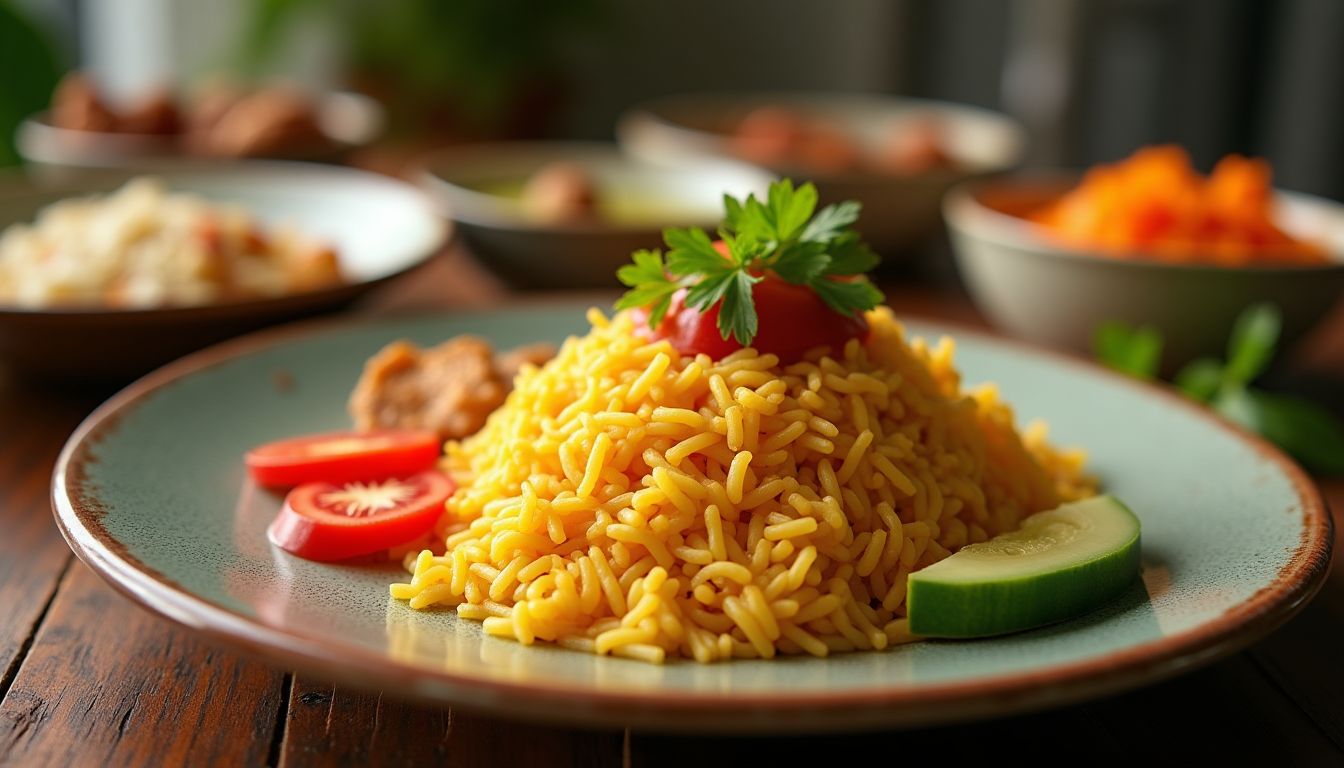
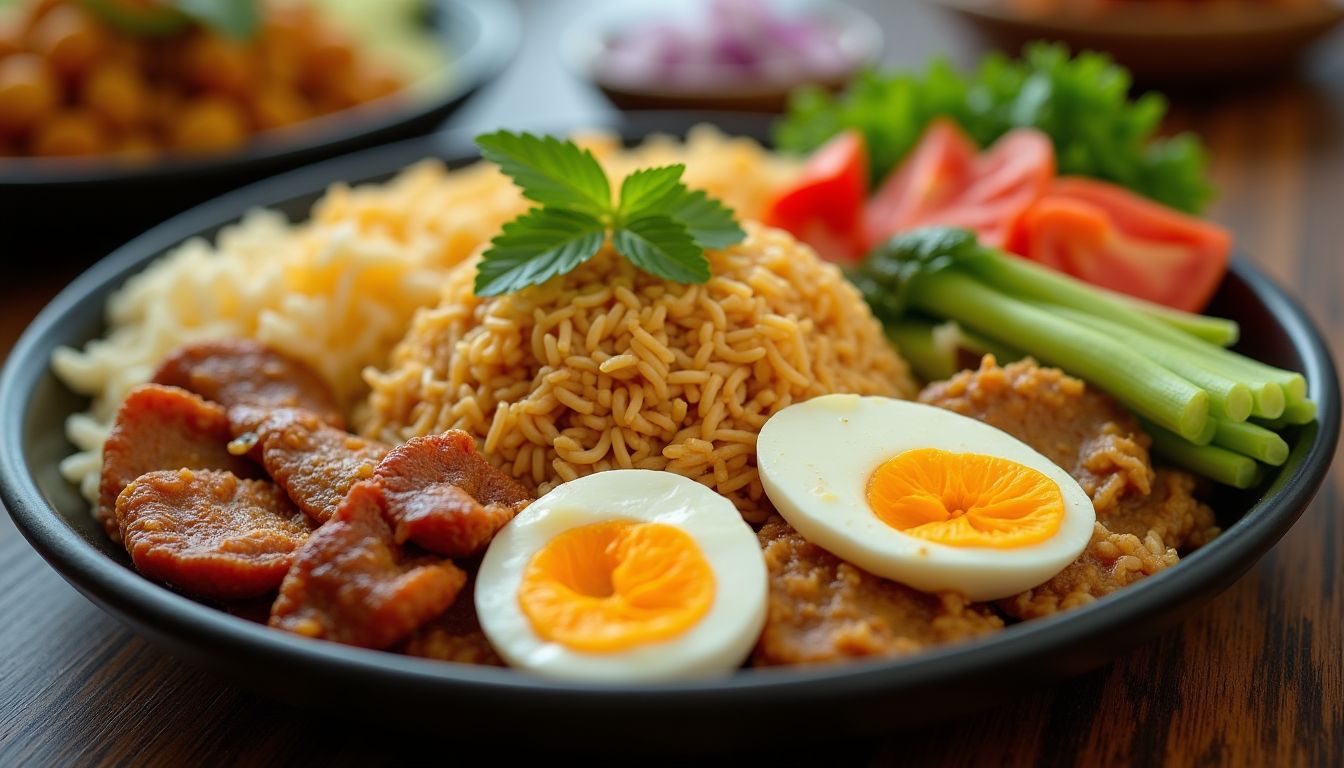
Big money is moving through Malaysia's food and beverage sector — from billion-ringgit World Cup spending spikes to a new generation of local brands challenging global giants for the same stomach.
Malaysia has more coffee chains per square kilometre in its urban centres than almost anywhere else in Southeast Asia. That single fact tells you something important: this market does not politely make room for newcomers. It devours them, or it makes them.
Right now, the Malaysian F&B industry is in the middle of something significant — a convergence of post-pandemic appetite recovery, intensifying local brand ambition, and a macro environment where export slowdowns (The Star flags a cooling ahead) are pushing domestic consumption into sharper focus for brands across every price point.
For marketers and brand managers in this space, the window to position correctly is narrow. Here is what the landscape actually looks like.
The World Cup Effect Is Real — and Measurable
Whenever a major international sporting tournament lands on the calendar, Malaysia's F&B operators pay attention. And they should. Economists have estimated that World Cup fever could inject up to RM2.1 billion into Malaysia's F&B sector, according to economists cited by Malay Mail. That is not a rounding error. That is a structural uplift in a sector where margins are already thin and competition is fierce.
The implications for brand managers are direct:
- Late-night and extended hours become premium real estate. Mamak operators already know this; QSR chains like McDonald's Malaysia and KFC Malaysia are the ones scrambling to match it.
- Bundled promotions and group dining deals convert casual viewers into loyal occasion-based customers.
- Digital ordering and delivery capacity becomes a constraint, not just a feature. Platforms that cannot handle the surge lose the occasion entirely.
The smart brands started planning for this six months ago. If you are building a campaign now, you are late to the party — but you can still own the second half.
Local vs. Global: The Taste Bud War Is Getting Louder
The framing of multinational versus homegrown has never been more commercially charged. The Edge Malaysia's special report on the F&B battle for Malaysian taste buds captures it precisely: this is not simply a story about cheaper local alternatives winning on price. It is about identity, convenience, and an increasingly sophisticated Malaysian consumer who can tell the difference between brand authenticity and brand performance.
Tealive and ZUS Coffee are the case studies everyone in this industry is watching. Both brands have scaled aggressively on the back of a clear value proposition — quality beverage culture at a price point that does not require an explanation to your wallet. ZUS in particular has leaned into its tech-first ordering experience, building loyalty through the app before the cup even reaches the counter.
Contrast that with Old Town White Coffee, which carries the weight of nostalgia and has had to work harder to stay relevant with younger Malaysians who were not in the room when the brand was built. The lesson: heritage is a starting position, not a strategy.
Secret Recipe occupies a middle lane that is quietly enviable — it is the casual dining brand that Malaysians trust for birthdays, meetings, and mall afternoons. Its sustained presence across hundreds of locations is a masterclass in consistency over novelty.
For marketers, the tension here is not which type of brand wins. It is whether your brand has a clear, defensible reason to exist in this specific market. Generic positioning is getting punished faster than ever.
MIFB 2026 and the Infrastructure of Ambition
Beyond the consumer-facing battles, the business-to-business layer of Malaysia's F&B ecosystem is maturing in ways that deserve attention. MIFB 2026 is convening B2B leaders specifically to shape the future direction of the industry — from supply chain to packaging to distribution. This signals something important: the industry is no longer just competing on product. It is competing on operational excellence.
Tetra Pak Malaysia's move to empower local F&B players with end-to-end solutions is part of the same story. Packaging and cold-chain capability are no longer afterthoughts for SME food brands. They are gatekeepers to modern trade shelf space and e-commerce viability.
For brand managers thinking about portfolio expansion or market entry, the B2B infrastructure conversation needs to happen before the consumer marketing conversation. Distribution decides destiny in the Malaysian market.
What This Means for Your Brand Strategy Right Now
Malaysia's F&B sector is not struggling for attention — it is struggling for coherence. There are signals everywhere: tourism arrivals that Tourism Malaysia is actively working to convert into food tourism spend, a dining scene in Kuala Lumpur that Time Out KL consistently ranks among the most vibrant in the region, and a generation of Malaysian consumers who are confident, opinionated, and deeply online.
That last point matters for how you reach them. Content-driven brand building is no longer optional in this market. Malaysian consumers discover food brands through creators before they discover them through ads. If you are a food or beverage brand without a structured creator content strategy, you are leaving meaningful reach on the table. Platforms like Creamatch, Malaysia's managed creator content platform, are increasingly how F&B brands bridge the gap between brand identity and social proof at scale.
The Verbrol Pulse tracking of Malaysian consumer sentiment points to the same consistent theme: trust is built in feeds, not on billboards.
Here are the three moves that matter most right now:
- Define your occasion. Are you the brand for the everyday morning commute (ZUS Coffee has this), the celebration meal (Secret Recipe owns this energy), or the late-night crowd? You cannot be all of them.
- Invest in creator-led content before your next campaign cycle. The consumer journey starts on TikTok and Instagram, and it is often complete before anyone sees your paid media.
- Build supply chain resilience into your 2026 roadmap. Whether it is packaging, cold chain, or distribution partnerships, operational gaps will cost you more than a bad campaign ever could.
Malaysia's F&B sector is large enough to absorb mistakes, but competitive enough that the same mistakes twice become existential. The brands that come out of 2026 stronger will be the ones who treated operational infrastructure and brand storytelling as equally urgent priorities — not trade-offs.
The table is set. The question is whether your brand has a seat.
Track F&B trends in real-time at verbrol.com
Read more on Verbrol Intelligence: