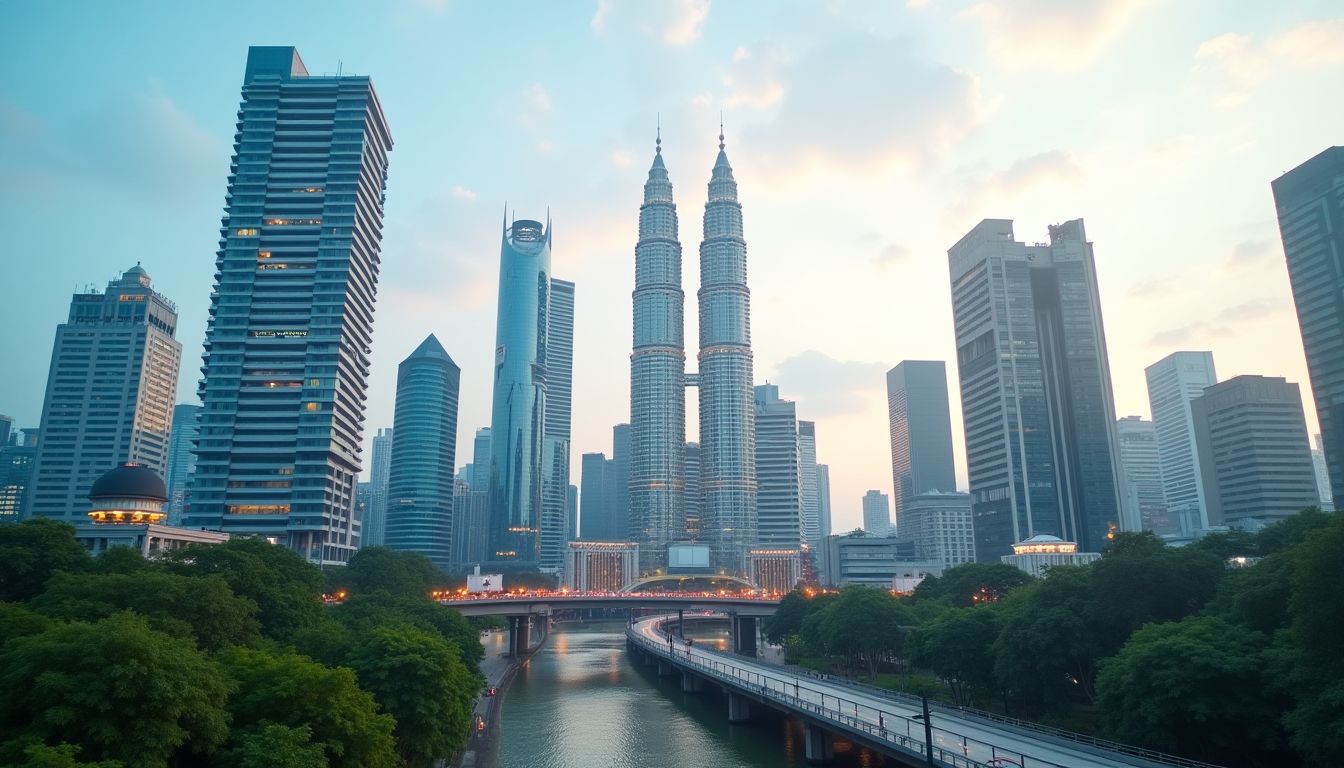
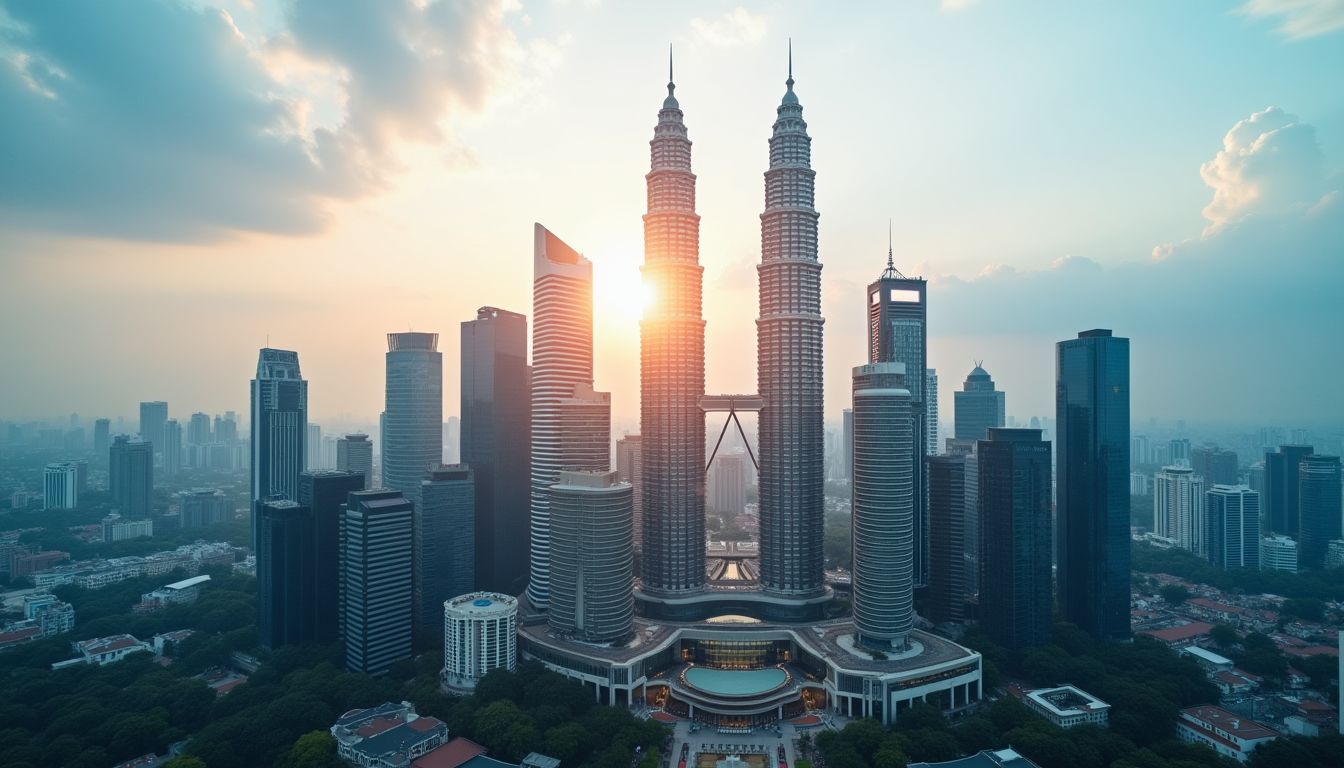
Malaysians are not spending less — they are spending differently, on things that carry meaning. The brands and venues paying attention are quietly pulling ahead.
There is a gallery tucked inside TTDI that most Kuala Lumpur residents have walked past without ever stepping through the door. KEN Gallery & Museum sits there, full of art and history, largely undiscovered by a city that is perpetually chasing the next new thing. When news of it began circulating this week, the response was not "wow, how modern" — it was "I had no idea this was here." That reaction tells you something important about where Malaysia's lifestyle industry is heading in mid-2026.
The chase for novelty is slowing down. What is accelerating, quietly and with genuine conviction, is a hunger for depth.
From Consumption to Curation: The Quiet Shift in Malaysian Lifestyle
For the better part of a decade, the Malaysian lifestyle conversation was dominated by mall openings, streetwear drops, and Instagram-optimised interiors. Retail anchors like Aeon and Parkson built entire ecosystems around footfall and volume. That model still functions — but it no longer defines the aspiration.
What is defining it now is curation. Malaysians, particularly those aged 25 to 42, are making choices that reflect identity rather than trend-chasing. They are choosing fewer, better things. They are choosing experiences with provenance.
The reimagining of Seri Negara as one of KL's most compelling new dining destinations is not just a hospitality story — it is a signal. When a 19th-century colonial-era residence becomes the most-talked-about table in the city, it tells you that Malaysian consumers are ready to pay for meaning, not just meals. Heritage is no longer a dusty concept. It has become a lifestyle currency.
The Wellbeing Economy: Where Lifestyle Meets Genuine Need
Perhaps the most telling development of the past few months is a story about a woman and her dogs. Sydney Chik's work bringing canine physiotherapy to Malaysia is, on the surface, a niche veterinary tale. But read it through a lifestyle lens and it is something else entirely: a portrait of how far the Malaysian consumer's definition of wellbeing has expanded.
Pet ownership in Malaysia has grown substantially over the post-pandemic years, and with it has come a market for premium pet care that mirrors the premium human wellness sector almost exactly — specialist services, curated nutrition, experiential retail. This is not a quirk. It is a structural expansion of what Malaysians consider worth spending on.
The same energy is visible in how brands like Uniqlo Malaysia have shifted their in-store communication toward functional wellbeing — fabric technology, comfortable living, quiet design — rather than pure fashion messaging. Padini, navigating a more price-sensitive middle segment, is making parallel moves toward versatility and durability as core propositions. The lifestyle pitch is no longer "look at this." It is "feel better in this."
Travel, Tourism and the Identity of the Malaysian Explorer
The lifestyle conversation cannot be separated from travel right now — and travel is changing shape in ways that matter for every marketer in this space.
A Visa study on Malaysian traveller behaviour heading into 2026 reveals a consumer who is prioritising regional destinations and leaning into AI-assisted planning. That second point is quietly significant. When a traveller uses AI to plan a holiday, they are not just optimising logistics — they are personalising their lifestyle experience at the earliest possible stage. The expectation of curation is being baked in before the suitcase is even opened.
Meanwhile, Malaysia's record-breaking numbers of Chinese tourists are adding a further dimension. These visitors are arriving with spending power and, critically, with lifestyle expectations shaped by a market — China's — that has already moved aggressively toward experience-led consumption. Their presence accelerates the very trend that domestic Malaysian consumers are already embracing. The appetite for quality, story, and distinctiveness is converging from multiple directions at once.
For lifestyle brands operating in Malaysia, this creates both pressure and genuine opportunity. IKEA Malaysia, long the benchmark for accessible, considered living, has held its ground precisely because its proposition always carried a lifestyle philosophy — not just product. Mr DIY, which might seem an unlikely lifestyle player, has expanded its SKU range in ways that position it firmly inside the home-as-sanctuary narrative that post-pandemic Malaysians have fully adopted.
What This Means for Brand Managers and Marketers
The question for anyone building a lifestyle brand or campaign in Malaysia right now is not "what is trending?" It is "what actually carries weight?"
Three actionable observations:
-
Provenance sells. Whether it is a heritage mansion turned restaurant or a Bonia leather bag with decades of craft behind it, Malaysian consumers in 2026 are responding to origin stories. Build yours if you have not already.
-
Wellbeing is wide. The wellbeing economy now spans food, fitness, mental health, pet care, sustainable home living, and conscious travel. Brands that find their credible lane within this space — rather than gesturing at all of it — will resonate more deeply. According to Free Malaysia Today, specialist services that would have seemed niche three years ago are now commanding premium audiences.
-
Creator content needs to match the new tone. The lifestyle consumer who is choosing depth over novelty is also more sceptical of performative brand content. This is where platforms like Creamatch, Malaysia's managed creator content platform, become genuinely useful — matching brands with creators whose voice and values align, rather than simply chasing reach metrics.
The Verbrol Pulse has been tracking the gradual shift in Malaysian lifestyle sentiment throughout the first half of 2026, and the signal is consistent: aspiration is not dead, but it has become more considered. As Bernama has documented across multiple cultural and consumer stories this year, the Malaysian public is engaging more selectively with lifestyle content — and rewarding authenticity when they find it.
The Brands That Will Define the Next Chapter
The lifestyle industry in Malaysia is not in retreat. It is in the middle of a quiet, meaningful maturation. The brands that understand this — that meaning outlasts novelty, that depth builds loyalty where volume builds only transactions — are the ones that will define the next chapter.
The gallery in TTDI was always full of treasure. The city just needed to slow down long enough to look.
For Malaysian marketers, that is precisely the moment we are in. Slow down. Look properly. The Verbrol intelligence layer is one place to start — but the more important move is simply paying closer attention to what your consumer is actually reaching for, and why.
Track Lifestyle trends in real-time at verbrol.com
Read more on Verbrol Intelligence: