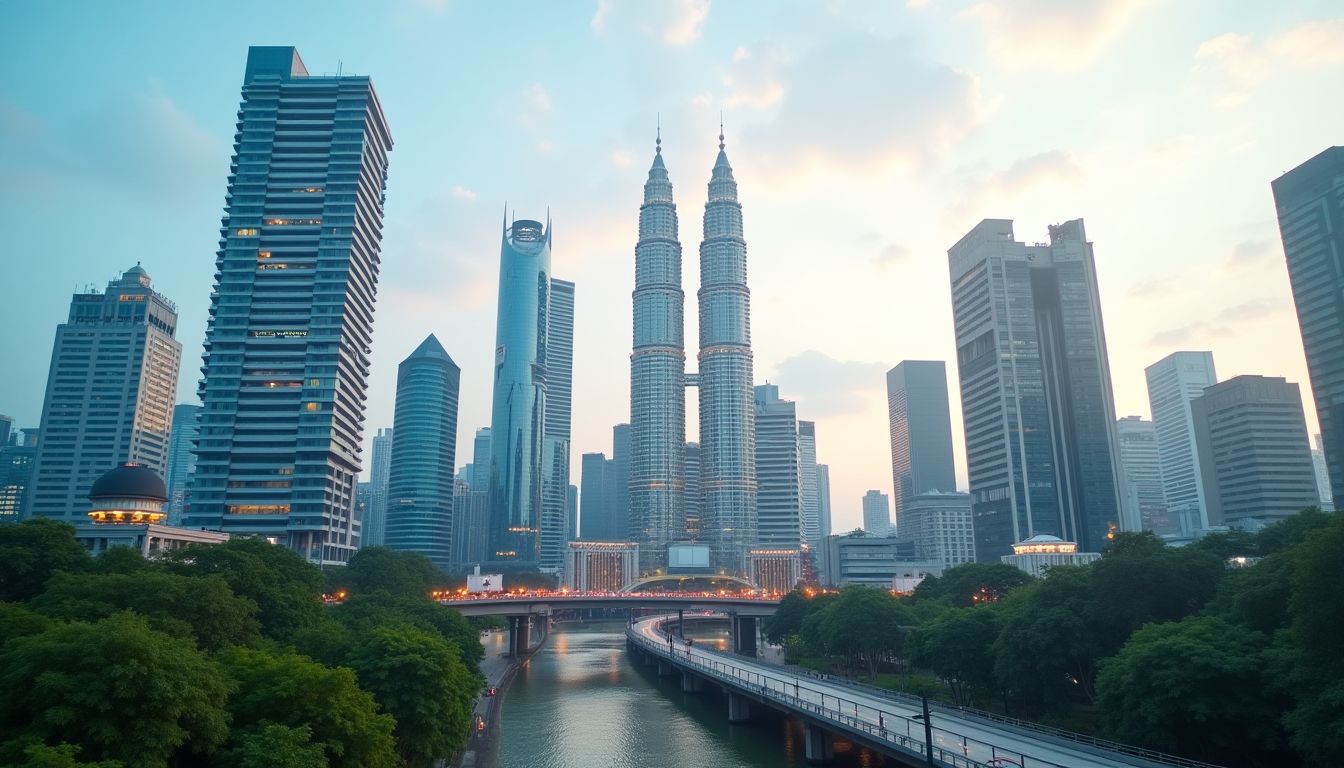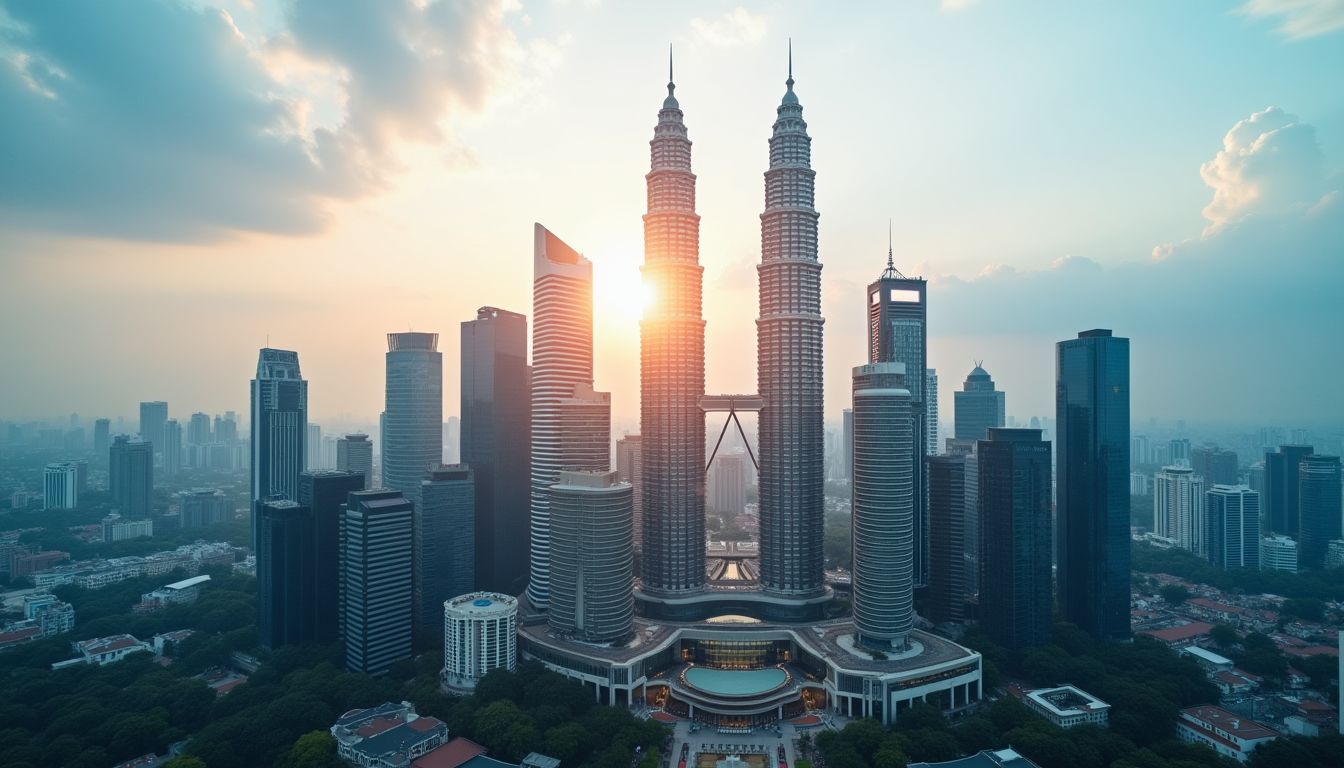
While European wallets tighten and global brands chase AI shortcuts, Malaysian lifestyle consumers are doing something more interesting — they're buying meaning.
What does it take to earn the loyalty of a Malaysian shopper in 2026? Not a flash sale. Not a celebrity endorser flown in from New York. Not even a very clever algorithm.
Something more specific is happening here — a confluence of cultural confidence, selective spending, and a growing appetite for experiences that feel genuinely local and genuinely worth it. Brands that haven't noticed this shift yet are about to find out the hard way.
The Global Squeeze That Isn't Quite Landing Here the Same Way
Let's start with context. A recent Boston Consulting Group survey found that more than half of European consumers are worried about their daily finances, with spending on clothing contracting notably. That anxiety is real, and it's reshaping global retail supply chains in ways that will ripple into Southeast Asia.
But Malaysia is not Europe. The middle class here is still expanding, and the emotional relationship with personal style, grooming, and lifestyle investment remains strong — particularly among younger urban consumers in Kuala Lumpur, Penang, and Johor Bahru. What has changed is not the willingness to spend, but the standards for what spending is worth.
Local retailers like Padini have understood this better than most. The brand has held ground precisely because it hasn't tried to be something it isn't — it occupies an honest value position in Malaysian wardrobes without pretending otherwise. Meanwhile, IKEA Malaysia continues to see strong footfall not purely as a furniture destination, but as a lifestyle experience — one that local consumers have woven into their weekends almost ritually. This experience-first thinking matters.
Culture Is the New Category
Something else is being tracked closely right now, and it doesn't show up neatly in a spreadsheet. Malaysian consumers are increasingly reaching toward culture as a lifestyle organising principle.
Consider two recent signals from the cultural sphere. A Korean school-bullying drama has been hitting home for Malaysian audiences, resonating not as imported entertainment but as a mirror for local social anxieties. Separately, the Black Cat Dance Theatre has been quietly building bridges between Malaysian and Indonesian artistic communities — a reminder that regional cultural identity is becoming a genuine lifestyle touchstone, not just a diplomatic talking point.
For brand managers, these signals matter because lifestyle purchases are increasingly attached to identity statements. Consumers aren't just buying a moisturiser or a pair of trainers. They're buying an affiliation. The growth of Bonia as a genuinely Malaysian luxury leather brand — built without the crutch of European heritage — is instructive here. The brand's longevity comes precisely from its willingness to stand as a local story told with real craft.
A weekend in Kuala Lumpur in 2026 looks something like this: cocktails at a bar with a locally-sourced menu philosophy, a wellness class rooted in community rather than aspiration, and cultural programming that feels specific to this city, this moment. That texture — the lived, layered, locally-anchored experience — is what lifestyle brands need to understand and reflect if they want to stay relevant.
AI Is Coming For the Shopping Journey — But Malaysia Has Its Own Timeline
Globally, artificial intelligence is reshaping how consumers discover and decide. L'Oréal has publicly committed to solving what it calls the "11-minute paradox" — the gap between consumer intent and purchase action — through an OpenAI partnership. Accenture's survey of over 25,000 consumers across 16 countries found that more than a quarter would willingly let AI guide their purchasing decisions.
These are not abstract numbers. They describe a shift in how beauty, fashion, and lifestyle discovery happens — and it is coming to Malaysia too, just at its own pace and filtered through its own cultural logic.
For context, a new generation of AI-powered influencer marketing platforms is already changing how brands manage creator relationships globally. Here in Malaysia, platforms like Creamatch — a managed creator content platform built for this market — are doing the connective work between brands and the creators who carry genuine influence in Malaysian communities. As AI tools become more embedded in campaign planning, the brands that will win aren't those who automate the most, but those who use technology to get closer to authentic local voices rather than further away from them.
Uniqlo Malaysia is a useful case study in calibrated technology adoption. The brand's in-store experience in Malaysian malls uses data intelligently without stripping out the human texture that makes browsing feel worthwhile. That balance — tech-assisted but human-centred — is the model for 2026.
According to Bernama, Malaysia's cultural production and creative industries are gaining institutional recognition, which signals a longer-term alignment between creative economy investment and lifestyle brand opportunity. The consumer who supports local arts one weekend is the same person choosing between Mr DIY and a premium hardware import the next — and their choices across those contexts are more coherent than they might appear.
What Brand Managers Should Actually Do With This
The lifestyle industry in Malaysia right now rewards specificity. Here is what the evidence is pointing toward:
-
Back local anchoring with real investment. Cultural resonance is not a marketing layer you add at the end of a campaign. It needs to be built into product development, store experience, and brand story from the beginning. The Prix Versailles list of the world's most beautiful restaurants may celebrate global aesthetics, but Malaysian consumers are increasingly proud of what their own cities produce. That pride is an asset for local brands.
-
Treat AI as a discovery tool, not a replacement for cultural intelligence. AI can surface patterns. It cannot tell you why a Korean drama about school bullying lands differently in Penang than it does in Seoul. Human context still wins.
-
Invest in the mid-week, not just the weekend. The lifestyle consumer in Malaysia is building daily rituals — skincare routines, lunchtime wellness habits, after-work community activities. Brands that show up only for big moments miss most of the relationship.
-
Monitor the men's category with fresh eyes. Globally, the men's grooming and lifestyle sector is expanding in unexpected directions, driven partly by shifting cultural conversations around masculinity. Malaysia is not immune to this. The male consumer here is quietly becoming more considered, and the brands watching this space on Verbrol Pulse will move faster than those who aren't.
The Opportunity Belongs to Brands Willing to Be Specific
Malaysia's lifestyle market in mid-2026 is not in crisis. It is in conversation — with its own cultural past, with the global forces reshaping retail and beauty and wellness, and with a consumer who has become genuinely discerning about what deserves a place in their life.
The brands that earn loyalty here will be the ones willing to be specific: specific about their values, their aesthetic, their relationship to this place and these people. Generic aspiration is plentiful and cheap. Genuine resonance is the scarce resource.
Track Lifestyle trends in real-time at verbrol.com
Read more on Verbrol Intelligence: