Halfway through the decade, Malaysia's lifestyle market is being quietly remade — not by global luxury drops, but by C-drama carts, bullying storylines, and a public health system starting to reward people for simply taking care of themselves.
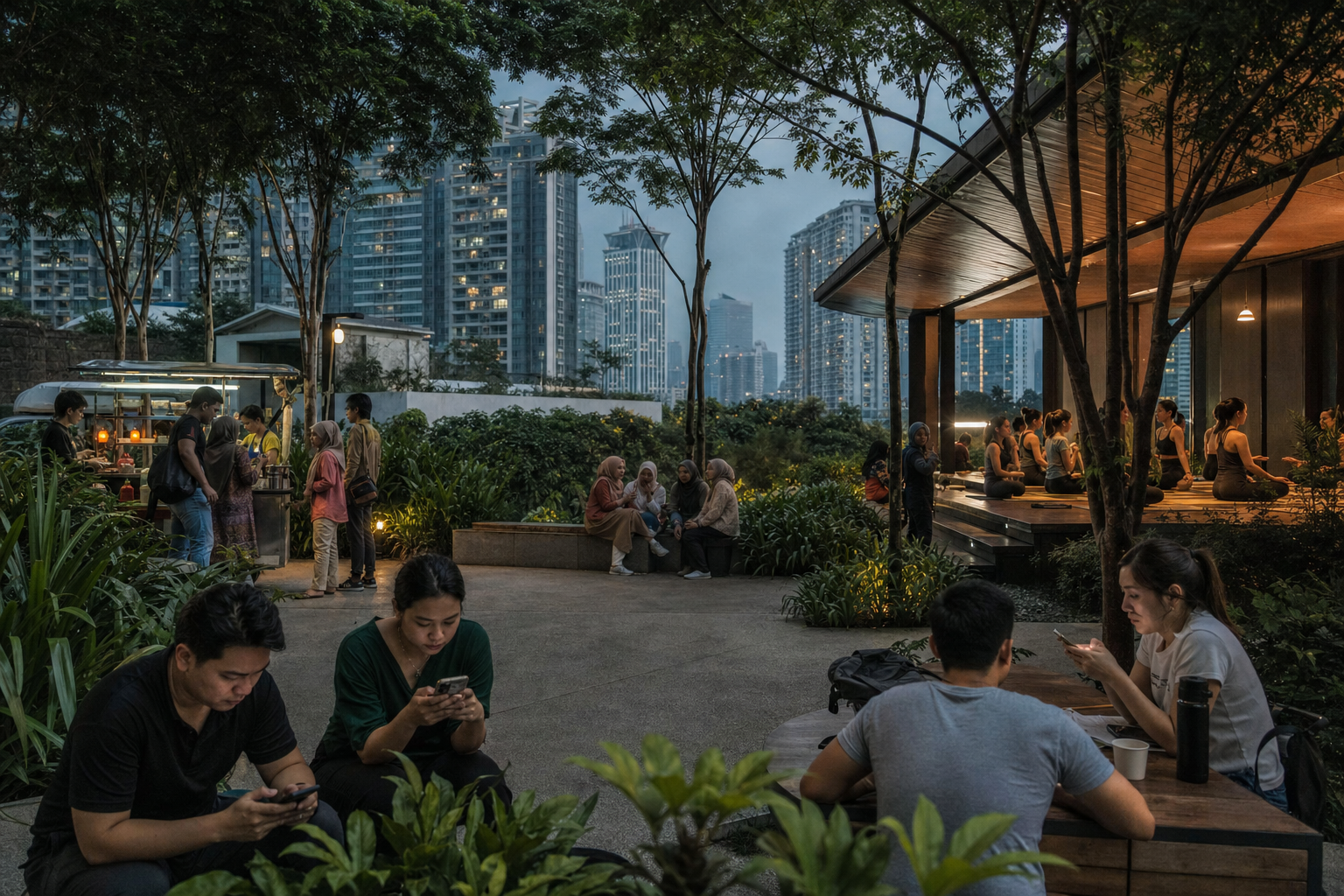
There's a particular kind of Tuesday night in Kuala Lumpur that tells you everything about where Malaysian consumer culture is heading. A group of women in their late twenties, wound down from work, are halfway through a Korean school drama on Netflix — tissues close, phones closer. By the time the credits roll, at least two of them have added items to a Shopee cart: a tote bag that looks like the one the lead character carries to class, a lip tint in the precise shade that kept appearing in the show's warmer scenes. Nobody planned to shop. They were just watching television.
That scene isn't anecdotal anymore. It's a market signal.
The Screen-to-Cart Pipeline Is Reshaping Demand
Malaysian audiences aren't passive viewers. They are, increasingly, deeply engaged shoppers who take aesthetic and emotional cues from the content they consume. The Sun Malaysia recently reported on how C-drama fandom is directly driving purchase behaviour, with fans shopping celebrity-inspired products as a way of participating in the stories they love. The dynamic has moved well beyond idol merchandise — it now extends to home décor, skincare routines, and even the quiet aesthetics of a character's weekend wardrobe.
Perhaps more telling is the cultural resonance of a Korean school drama that, according to the South China Morning Post, is hitting home with Malaysian audiences precisely because its themes of bullying and identity feel local. That framing matters for brand managers: Malaysians aren't simply consuming foreign culture and mimicking it. They're using it as a mirror. The emotional investment in these narratives is genuine, and brands that find honest ways to sit within those stories — rather than interrupt them — are the ones building lasting affinity.
For lifestyle brands operating in Malaysia, this means the briefing document has changed. The question is no longer just where your product appears, but what story it belongs to. Platforms like Creamatch, Malaysia's managed creator content platform, exist precisely to bridge that gap — connecting brands with creators who already inhabit the cultural conversations their audiences care about, rather than forcing awkward integrations after the fact.
Wellness Is Moving from Aspiration to Infrastructure
If the screen-to-cart pipeline represents how lifestyle desire is formed, a parallel story is unfolding about how that desire is being sustained — and it runs through the country's public health conversation.
Health advocates in Malaysia are now calling on the government to formally reward Malaysians who practise healthy lifestyles, citing insurance discounts, tax reliefs, or points-based systems as viable incentives. The proposal sits in a much larger global context — Swedish longevity startup Neko has already amassed a 300,000-person waiting list ahead of its first US clinic, positioning health optimisation as affordable luxury rather than the preserve of the ultra-wealthy.
For Malaysia, this matters because the wellness category has historically been split between mass-market basics (think vitamin aisles at Aeon or affordable supplements at Mr DIY) and premium offerings that remain out of reach for the majority. A policy shift toward incentivised healthy living could collapse that gap — making wellness a genuine mass-market lifestyle category rather than a premium aspiration.
Brand managers in the health and personal care space should watch this policy thread carefully. If rewarding healthy behaviour becomes government-backed, the brands positioned as partners in that journey — not just product vendors — will have a structural advantage. The conversation is no longer about selling wellness. It's about being embedded in a national wellness infrastructure.
The Identity Layer: Culture, Arts, and the Soft Architecture of Lifestyle
Lifestyle markets in Southeast Asia have always been shaped by more than product. They are shaped by belonging — and right now, Malaysia's cultural identity is actively expanding rather than contracting.
The Black Cat Dance Theatre's recent cross-border work bridging Malaysia and Indonesia, reported by Bernama, is a small but telling signal. Regional cultural exchange is accelerating, and with it comes a broader, more fluid sense of Southeast Asian identity that Malaysian consumers are increasingly comfortable navigating. This isn't a niche arts story — it's a preview of the aesthetic vocabulary that will shape lifestyle preferences across fashion, interiors, and food culture over the next several years.
Local brands that have historically leaned on a singular national identity may find more room to breathe — and more room to grow — by embracing this regional fluidity. Bonia, for instance, has long cultivated a premium Malaysian identity with regional ambitions; the cultural moment may finally be aligning with that positioning. Similarly, Uniqlo Malaysia and Padini operate in a space where the blended aesthetics of Pan-Asian minimalism and local practicality already sit comfortably together. The question is whether homegrown brands can own that creative territory before the global players do.
What This Means for Brand Strategy Right Now
Three things are converging in Malaysia's lifestyle market simultaneously: emotional storytelling is driving purchase decisions, wellness is becoming a policy-level priority, and cultural identity is expanding outward rather than hardening inward. For marketers, that's not a complicated message to decode — but it does require a recalibration of where the work actually happens.
-
Content before commerce: The brands winning wallet share are those that live inside the stories Malaysians are already emotionally invested in. That means creator partnerships need to be authentic to those narratives, not retrofitted onto them. Explore what Verbrol Pulse is tracking in real-time across lifestyle categories to understand which content verticals are generating the deepest engagement.
-
Position for the wellness inflection point: If incentivised healthy living becomes policy reality, the brands that have already built credibility in the wellness conversation will benefit disproportionately. According to Free Malaysia Today, health advocates are serious about this push — don't treat it as a long-term possibility. Begin building your brand's wellness narrative now.
-
Think regionally, speak locally: The Southeast Asian cultural exchange happening in arts, drama, and fashion is a creative opportunity, not a threat to local brand identity. The most resonant Malaysian lifestyle brands will be the ones that feel genuinely local while being fluent in the wider regional conversation.
The Tuesday night Shopee cart isn't an impulse. It's a decision made over months of emotional investment in characters, stories, and aspirational identity. Understanding that — really understanding it — is the sharpest edge a lifestyle marketer can carry into the second half of this decade.
Track Lifestyle trends in real-time at verbrol.com
Read more on Verbrol Intelligence: