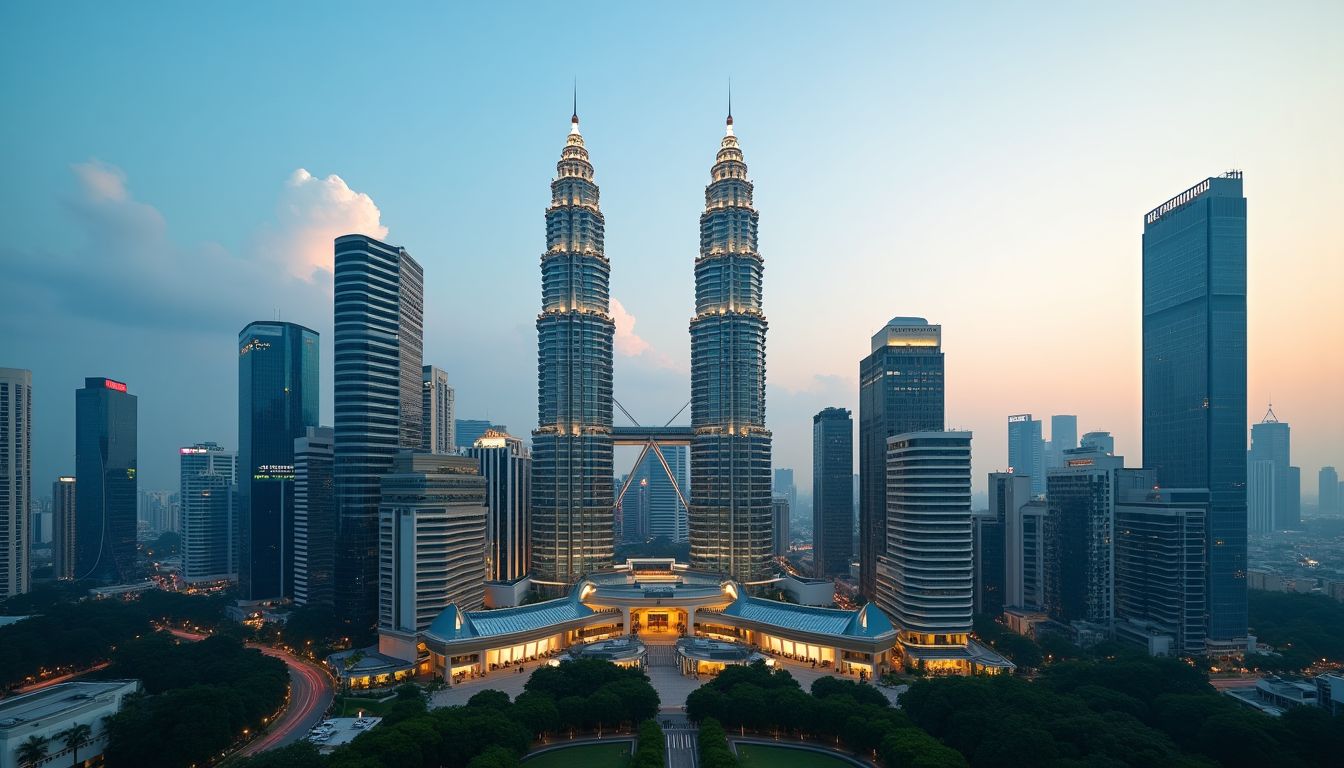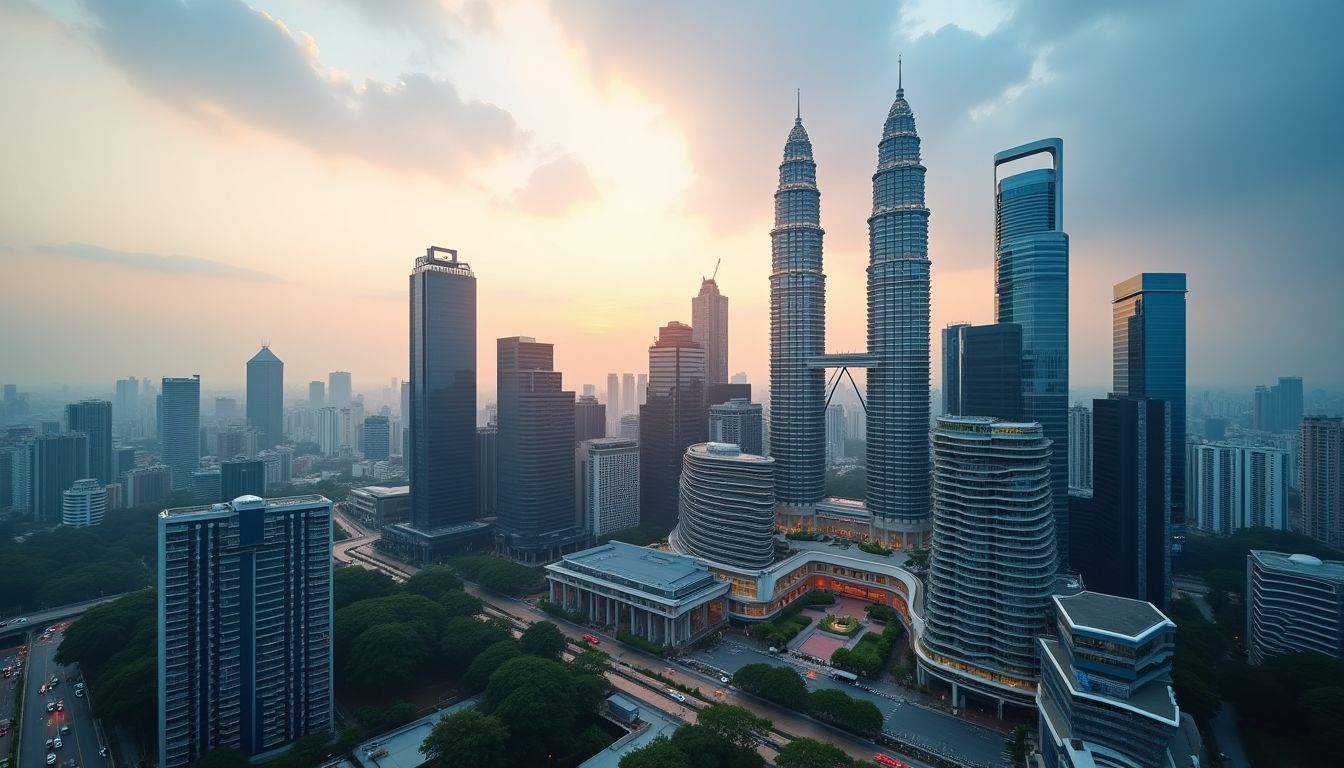
Across Malaysia's malls, feeds, and kopitiam tables, something quieter than a trend is happening — consumers are no longer just buying products, they're buying stories they can see themselves inside.
There is a telling ritual that plays out in Malaysian malls almost every weekend. A young woman circles the same Uniqlo Malaysia rack three times. She knows the price. She already knows she'll buy it. What she's doing — slowly, almost ceremonially — is deciding whether she wants to be the person who wears it. That pause, that private negotiation between product and identity, is the most important commercial moment in Malaysia's lifestyle market right now. And most brands are still not building for it.
From Transactional to Emotional: The Shift That's Already Happened
For years, lifestyle retail in Malaysia was organised around one conversation: value. Padini built a loyal middle-market following on exactly that promise — good clothes, honest prices, zero pretension. Mr DIY became a household anchor by making home improvement feel accessible rather than aspirational. Both strategies worked, and both still work in specific contexts. But the ground beneath them is shifting.
What's emerging across the mid-to-premium tier is a consumer who doesn't simply want affordability — they want affinity. According to Bernama, cultural storytelling and cross-border creative identity are increasingly shaping how Malaysians engage with lifestyle experiences, as seen in projects like the Black Cat Dance Theatre's bridging of Malaysian and Indonesian artistic sensibilities. That same instinct — towards meaning, towards connection — is driving consumer choices off the stage and into the shopping aisle.
Global signals are pointing in the same direction. A recent industry report on what Gen Z wants from luxury and contemporary brands in Asia found that emotional and aesthetic connection — not heritage or exclusivity — is now the primary currency of brand preference among younger Asian shoppers. Malaysian consumers sit squarely inside that cohort.
The Matcha Moment and What It Actually Tells Us
It would be easy to read Secret Recipe's new Matcha Series as a simple menu trend — the café chain chasing a green wave. But look at the framing in their own communications: "kecintaan yang semakin meningkat," a growing love. That language is doing real work. Secret Recipe isn't selling a drink. It's positioning itself inside a cultural moment that Malaysian consumers already feel ownership of — the matcha aesthetic, the slow-food ritual, the café-as-sanctuary behaviour that has quietly become one of the defining lifestyle postures of urban Malaysia in 2026.
This is the pattern worth watching: legacy Malaysian brands learning to speak in the language of feeling rather than function. The brands that are winning the lifestyle conversation right now are the ones that understand a matcha latte is also a mood, a social signal, and a small act of self-care — all at once.
A weekend in motion across KL's cocktail bars, wellness spaces, and cultural venues — as documented by Prestige Online — is no longer a wealthy exception. It's an aspirational script that middle-class Malaysians are actively rewriting themselves into. And that script increasingly includes elevated dining, like the reimagined Peking duck experience at China House at Hyatt Regency Kuala Lumpur. Even heritage food formats are being reframed as lifestyle moments.
K-Drama, BLACKPINK, and the Ambassador Economy
The announcement that JISOO of BLACKPINK is now Salomon's Global Ambassador is a data point that Malaysian marketers should take seriously — not because of the K-pop angle, but because of the category choice. Salomon is an outdoor performance brand. JISOO is a cultural icon of femininity and aesthetic. The pairing is deliberately incongruous, and that incongruity is the message: lifestyle in 2026 is post-category. Consumers don't segment themselves by "sportswear" or "fashion" or "wellness." They move fluidly across all of it, and they expect brands to move with them.
Malaysia's own K-drama moment is instructive here. When a school bullying drama resonated so deeply with Malaysian audiences that viewers said "everything in it relates," the show's fashion choices, soundtrack, and set design all became searchable, shoppable lifestyle references within days. Content is now a pipeline directly into consumer desire — and the brands managing that pipeline deliberately will win.
This is where creator partnerships have moved from nice-to-have to structural. Platforms like Creamatch, Malaysia's managed creator content platform, are increasingly where brands operationalise this — connecting lifestyle labels with creators who carry the right emotional frequency, not just follower counts. The days of reach-as-strategy are giving way to resonance-as-strategy.
What Marketers Should Actually Do With This
The practical implications for Malaysian brand managers and agency professionals are more specific than "be more emotional." Here's what the current signals actually suggest:
- Audit your brand's cultural touchpoints, not just your product features. AEON and Parkson face a meaningful challenge here — their scale has historically been their strength, but scale without cultural specificity reads as generic to a consumer who wants to feel seen.
- Stop treating sustainability as a footnote. The circular denim movement gaining momentum globally — with chemistry specialists now partnering to scale sustainable production — is already shaping what conscious Malaysian consumers expect from lifestyle brands. Bonia, with its leather goods heritage, sits at a particular crossroads here: craftsmanship and longevity are sustainability arguments waiting to be told properly.
- Invest in the eleven-minute window. L'Oréal's partnership with OpenAI to solve what the French beauty giant calls "the 11-minute paradox" — the critical window in a consumer's decision journey — is a global signal about where personalisation is headed. Malaysian lifestyle brands operating in beauty, fashion, and wellness should be watching this space with urgency.
- Build for the post-category consumer. The Verbrol Pulse tracking of lifestyle signals across Southeast Asia consistently shows Malaysian consumers mixing premium and affordable references in ways that defy traditional segmentation. Cotton On Malaysia and Uniqlo Malaysia coexist in the same basket for the same shopper. Brand strategy needs to account for that fluidity.
The underlying truth is that Malaysia's lifestyle market in 2026 is not waiting for permission to become more complex. It already has. Consumers who grew up on K-drama aesthetics, matcha rituals, and TikTok haul culture have built their own identity frameworks — and they are actively recruiting brands into those frameworks, not the other way around.
According to The Star, cultural spending among urban Malaysian millennials and Gen Z has shown consistent upward movement even amid broader cost-of-living pressures, suggesting that lifestyle is being treated as a non-negotiable rather than a discretionary category.
The brands that understand this — that they are being chosen to play a role in someone's story — will find the relationship is stickier, more valuable, and considerably harder for a competitor to replicate on price alone.
Track Lifestyle trends in real-time at verbrol.com
Read more on Verbrol Intelligence: