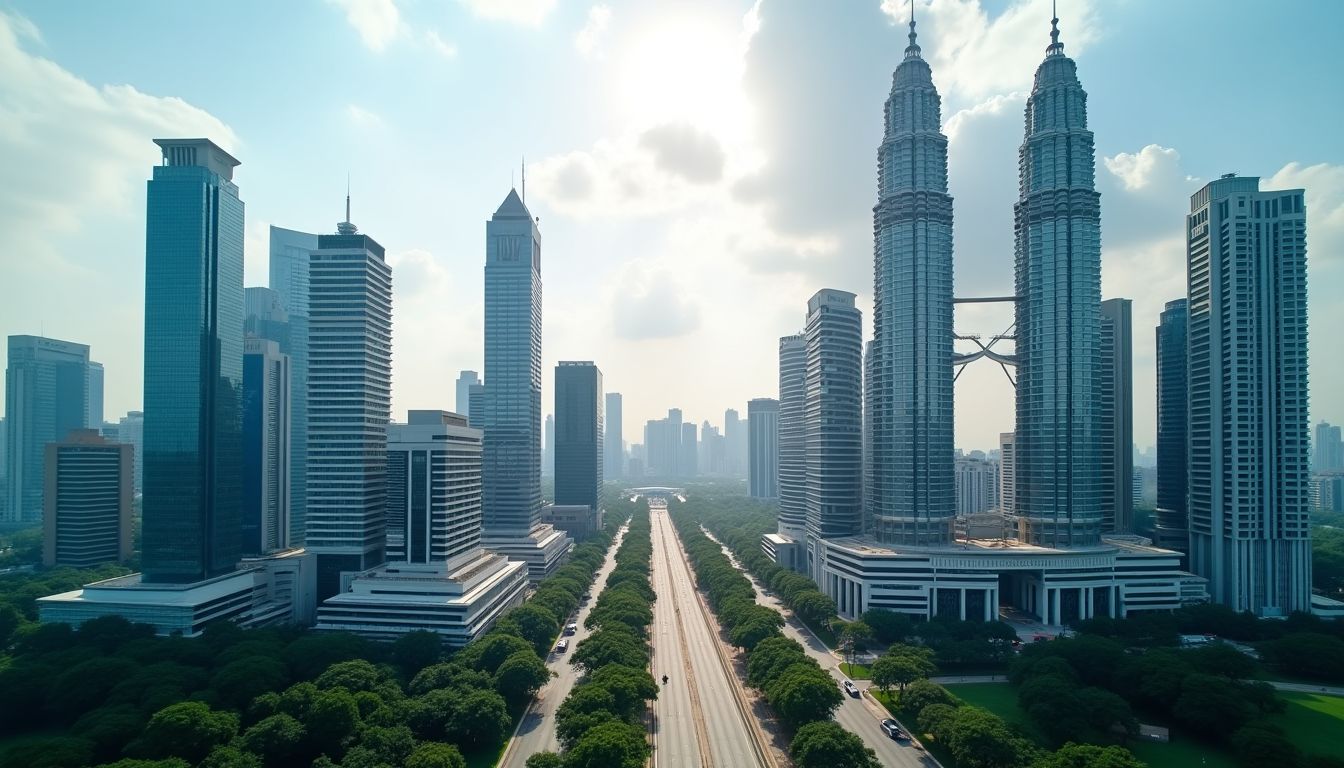
Across KL's cafés, screens, and shopping floors, a quieter revolution is playing out — Malaysian consumers are choosing brands that make them feel something, and the smart money is already following.
The Feeling Economy Has Arrived in Malaysia
What does a Peking duck in KL Midtown, a Korean school bully drama, and JISOO of BLACKPINK have in common? On the surface, nothing. Look a little closer and you find the same thread running through each of them: Malaysians are spending their time, attention, and ringgit on experiences that carry emotional weight.
This isn't soft analysis. It's the shape of the market right now.
China House at Hyatt Regency Kuala Lumpur at KL Midtown is elevating the Peking duck experience — a heritage dish, reframed for a generation that documents what it eats before it eats it. At the same time, a K-drama about school bullying is hitting home for Malaysian audiences in ways that local productions have sometimes struggled to achieve, not because of production budgets, but because it tells the truth about something people recognise. And Salomon, an outdoor performance brand most Malaysians might not have heard of three years ago, has just named JISOO as its global ambassador — a move that will have resonance precisely here, in a Southeast Asian market where K-pop fandom and lifestyle aspiration have long been intertwined.
These are not coincidences. They are signals.
Matcha, Moments, and the New High Street
Second Wave coffee culture gave Malaysia a vocabulary for slow consumption. Matcha is now building a second language on top of it.
Secret Recipe's dedicated Matcha Series is a telling example. A brand better known for its cakes than its cultural commentary has planted its flag in one of the most saturated trend spaces of 2025 and 2026, betting that the familiar and the fashionable can live side by side. According to Bernama, the response has been substantial enough to position Secret Recipe as a primary destination for matcha lovers — which tells you something important about where Malaysian consumer traffic actually flows. It flows toward trust dressed in novelty.
This is a useful lesson for brand managers watching from the sidelines. The matcha consumer in KL is not simply chasing green. They are chasing a certain quality of afternoon — instagrammable, unhurried, and shareable. Aeon and Parkson, both navigating the reality of anchor tenants in evolving malls, would do well to ask what version of that feeling their food and beverage concessions are currently selling, and whether it is sufficient.
Padini, meanwhile, continues to hold ground in the value-fashion segment — but the real frontier for any Malaysian lifestyle retailer in 2026 is not margin management. It is emotional positioning. Mr DIY built its dominance partly on the feeling of resourcefulness and household pride. The question for every other lifestyle player is: what feeling do we own?
Gen Z, Global Ambassadors, and the Attention Economy
The story of JISOO and Salomon is worth sitting with for a moment. Outdoor lifestyle — trail running shoes, technical apparel, mountain-ready gear — has historically been a niche category in Malaysia. Humid, urban, and dense, KL is not obvious terrain for a brand built in the French Alps.
And yet, here we are. Salomon has announced JISOO as its global ambassador, and among Southeast Asian Gen Z consumers, this is likely to move product — not because the mountains have gotten closer, but because the aspiration lifestyle that JISOO represents has made outdoor aesthetics feel genuinely desirable. The hike-core wardrobe trend did not start in Bukit Jalil or Taman Melawati, but it has absolutely arrived there.
For Malaysian brand managers, this holds a practical implication: the gap between product function and cultural meaning has never been more exploitable. A brand does not need to solve a practical problem if it can credibly inhabit an aspirational one.
Globally, L'Oréal's partnership with OpenAI — aimed at solving what the brand describes as the eleven-minute paradox in the consumer journey — points toward how major beauty and lifestyle companies are thinking about attention and personalisation at scale. Malaysian brands are not yet operating at that level of AI integration, but the underlying question is the same: how do you make the path from discovery to purchase feel personal rather than transactional?
For creator-driven campaigns, Creamatch, Malaysia's managed creator content platform, has become a practical answer to that question for local brands wanting to build authentic connection without the guesswork of traditional influencer outreach. As the creator economy matures, the brands winning in this space are those investing in sustained narrative, not one-off activations.
Where the Lifestyle Market Is Actually Heading
A weekend itinerary of cocktails, wellness and culture in KL is no longer a magazine fantasy — it describes a real pattern of urban Malaysian consumption in 2026. Wellness is not a sector anymore; it is a lens through which people filter every lifestyle purchase, from what they eat to what they wear to which brands they publicly associate with.
The Black Cat Dance Theatre bridging Malaysia and Indonesia is another thread in the same tapestry: cultural expression as lifestyle currency. According to The Star, Malaysia's creative industries have been quietly growing in regional confidence, and the appetite among urban consumers for culture that feels locally rooted but regionally fluent is real.
For Uniqlo Malaysia and Cotton On Malaysia, both operating in the accessible lifestyle fashion space, this cultural moment presents a specific opportunity. Functional basics remain core, but the brands that will grow market share through the second half of 2026 are those that find ways to participate in cultural conversation — through collaborations, through storytelling, through sustained presence in the moments that matter to their customer.
Three practical directions are emerging clearly for lifestyle brands operating in Malaysia right now:
- Emotional specificity over category breadth — own a feeling, not just a product range
- Creator relationships built for depth — sustained narrative partnerships through platforms like Creamatch outperform transactional campaigns
- Cultural adjacency — the brand that shows up authentically next to the things consumers already love earns the trust that advertising alone cannot buy
The market is not waiting for brands to catch up. The consumers have already moved. The brands that understand the feeling economy — and build towards it with genuine commitment — are the ones whose names will appear in next year's signals as the ones that got it right.
Track Lifestyle trends in real-time at verbrol.com
Read more on Verbrol Intelligence: