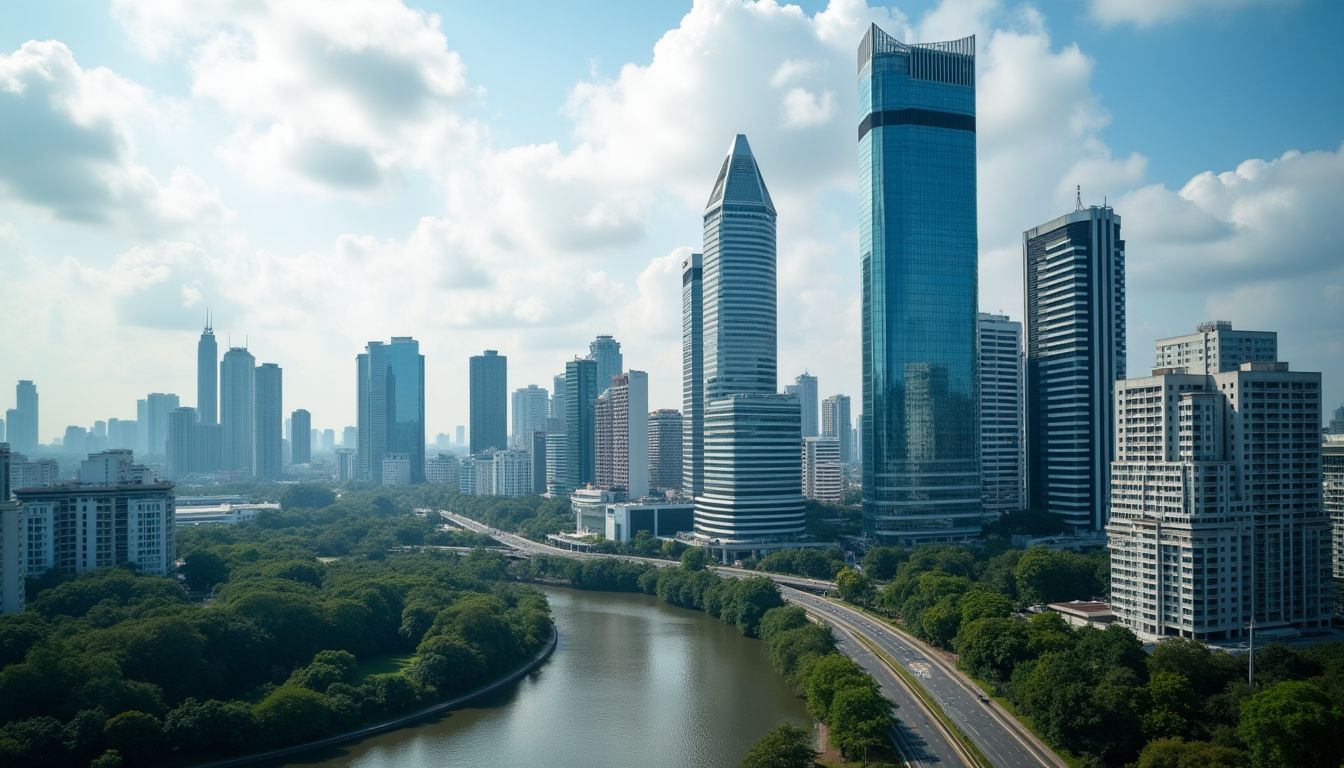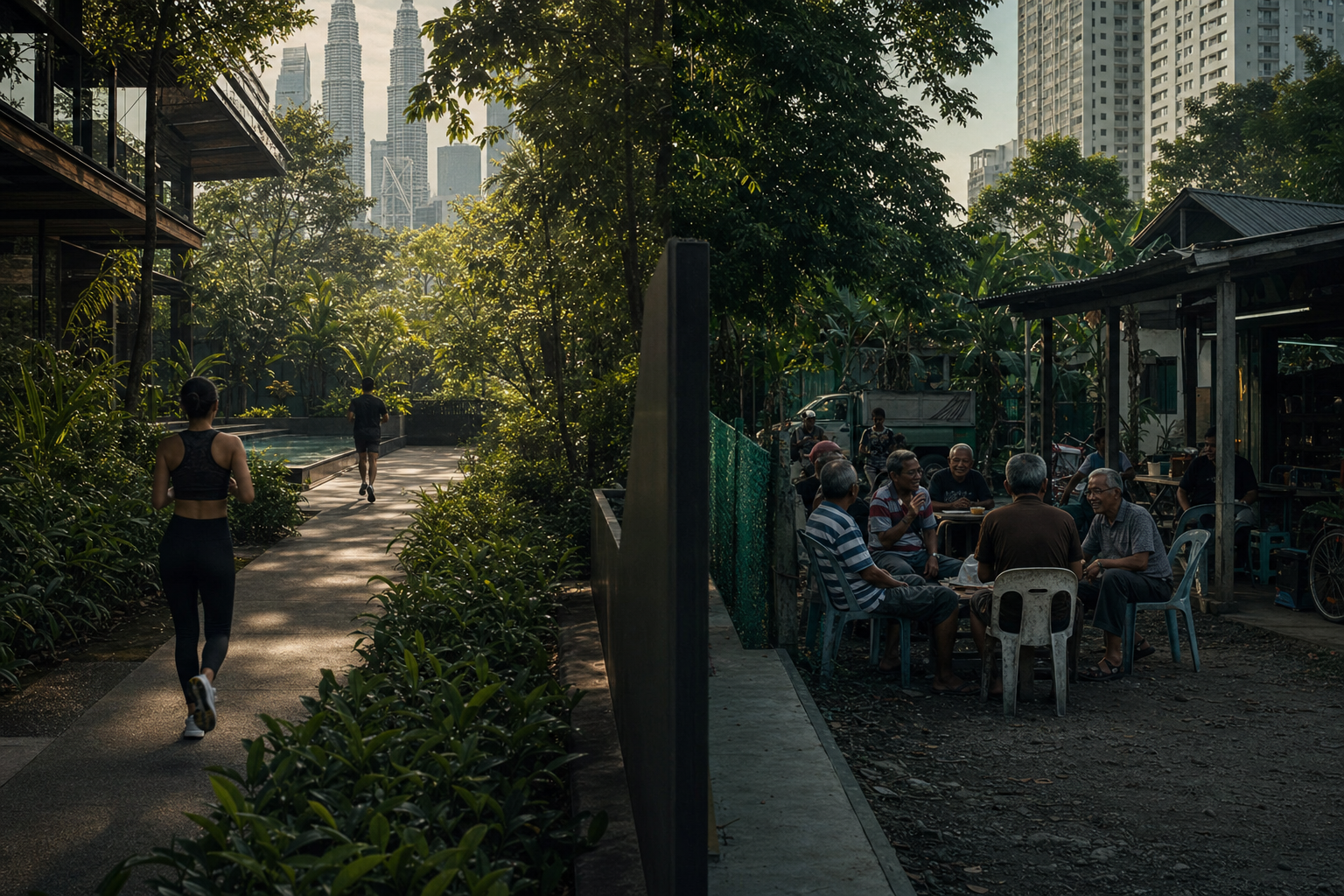
Big money is chasing the Malaysian wellness premium — but the rakyat are quietly spending smarter, not bigger. The lifestyle industry is fracturing, and most brands haven't noticed yet.
Ada benda yang aku perasan dua minggu ni.
Dua kenalan aku — roughly the same income bracket, both in their early thirties, both KL-based — are living completely different lifestyle realities. One is on a waiting list for a longevity health scan. The other just switched from Guardian to Mr DIY for her daily essentials because "harga lain sangat dah."
Same city. Same generation. Completely different Malaysia.
That split — quiet, unglamorous, and accelerating — is the real story of Malaysia's lifestyle industry in mid-2026.
The Market Is Not One Market Anymore
Let's be honest about what's happening. Globally, more than half of Europeans are now spending less on clothes due to budget pressure, according to a Boston Consulting Group survey — and while Malaysia's macro conditions differ, the psychological pressure of cost-of-living anxiety is real here too. The BNPL-gone-wrong story that went viral locally — di mana seorang pengguna mendakwa akaun digunakan pihak lain dan tuntutan bayaran terus berjalan — tells you something about the fragility underneath the spend.
At the same time, Swedish longevity startup Neko has a 300,000-person waiting list before it even opens its first US clinic. The "affordable luxury" wellness positioning is not a Western anomaly — it is arriving in Southeast Asia, and Malaysian consumers in the upper-middle bracket are already primed for it.
Dua Malaysia ni bukan metaphor. It's a segmentation reality that marketers can no longer flatten into one "aspirational Malaysian consumer" persona.
The lifestyle industry is splitting into two distinct gravitational pulls:
- Value optimisation — smart, intentional spend, brand-agnostic, platform-driven
- Wellness premium — longevity, identity, community, experience over product
And the brands caught in the middle? They're bleeding from both sides.
Where the Value-Seekers Are Going
Padini's consistent mid-market positioning and Mr DIY's extraordinary category creep into lifestyle adjacents are not accidents. They are reading the same signal: a significant portion of Malaysian consumers have permanently recalibrated what "worth it" means post-pandemic and post-inflation.
Uniqlo Malaysia continues to win this cohort because it understood something early — basic, quality, non-logo. The brand doesn't ask you to perform wealth. In a climate where health advocates are calling on the government to reward Malaysians who practise healthy lifestyles rather than just penalise bad ones, you can see the same logic at work: Malaysians are responding better to enablement narratives than aspiration pressure.
Aeon and Parkson tell a more complicated story. The department store model is structurally squeezed — too premium for the value seekers, not experiential enough for the wellness strivers. Both have been renegotiating their floor mix aggressively, but the jury is still out on whether physical retail can thread that needle fast enough.
For brands targeting this segment, the actionable truth is this: price architecture matters more than brand heritage right now. If your entry point product doesn't survive a mental comparison to a Mr DIY alternative, your marketing budget is working against itself.
The Wellness Striving Class and the Community Signal
Here is where it gets interesting for brand builders.
The wellness-premium consumer in Malaysia isn't just buying products — they are buying belonging and narrative. Look at what MILO® Malaysia Breakfast Day 2026 just did: gathered 10,000 people from multiple ethnicities in Sarawak, not around a product demo, but around a shared ritual. Breakfast as community infrastructure. That is premium brand thinking operating at mass scale — and it worked because it was real, not staged.
Black Cat Dance Theatre bridging Malaysia and Indonesia through performance is another signal — cultural consumption as lifestyle identity is gaining ground among urban Malaysians who want their discretionary spend to mean something beyond the transactional.
Even the men's grooming category, which globally is going through a structural rethink as traditional masculinity narratives shift and new ones emerge, is seeing this dynamic in Malaysia. Men are spending — but they want to be spoken to differently, not just handed a rebranded women's product in a black bottle.
The content opportunity here is significant. Brands that invest in creator-led, community-anchored storytelling will outperform those running traditional campaign cycles. Malaysia's creator economy is maturing fast, and platforms like Creamatch — which manages creator-brand partnerships at scale — are increasingly where lifestyle brands are finding authentic voices that actually move product, not just impressions.
IKEA Malaysia's continued bet on life-stage marketing (moving into your first apartment, upgrading with your first payrise) remains one of the smarter plays in this space — it anchors to community moments, not just catalogue seasons.
What This Means for Brand Strategy in H2 2026
Kalau aku frank dengan kau — banyak lifestyle brands in Malaysia are currently writing briefs for a consumer that no longer exists as a single entity. The generic "aspirational Malaysian millennial" persona is functionally obsolete.
Here is what the signal breakdown from Verbrol Pulse actually points to for actionable brand planning:
1. Segment by stress profile, not just income. A RM8,000/month household feeling cost squeeze behaves differently from one that doesn't. Map your consumer's financial anxiety level, not just their disposable income bracket.
2. Community-first activations over campaign drops. MILO's Sarawak play, the cultural bridge moves, even the FIFA World Cup frenzy — Malaysian football fans mobilising around the 2026 World Cup are showing brands exactly how lifestyle consumption clusters around shared identity events. Are you there?
3. The K-drama mirror effect is real. When a school bullying K-drama hits home in Malaysia because "everything in it relates," that is an audience telling you what emotional frequencies they are operating on. Lifestyle brands that speak to those frequencies — identity, belonging, social pressure, resilience — will cut through.
4. Creator content is not optional anymore. The men's beauty category breakthrough happened not through traditional advertising but through peer normalisation. If you're not investing in managed creator relationships — through platforms built for the Malaysian market — you are ceding the narrative to whoever shows up first.
Pilih Belah
The lifestyle industry in Malaysia in 2026 is not declining. It is differentiating. Aggressively.
Brands that try to serve both the value-seeker and the wellness striver with the same message will serve neither well. The ones that will win H2 2026 are those honest enough to pick a lane, deep enough to understand their community's actual stress and aspiration profile, and brave enough to build content and activations that feel real — not like a brief got approved by six committees.
Dua Malaysia ni bukan masalah. It is a market map. Read it right, and there is genuine opportunity on both sides.
Track Lifestyle trends in real-time at verbrol.com
Read more on Verbrol Intelligence: