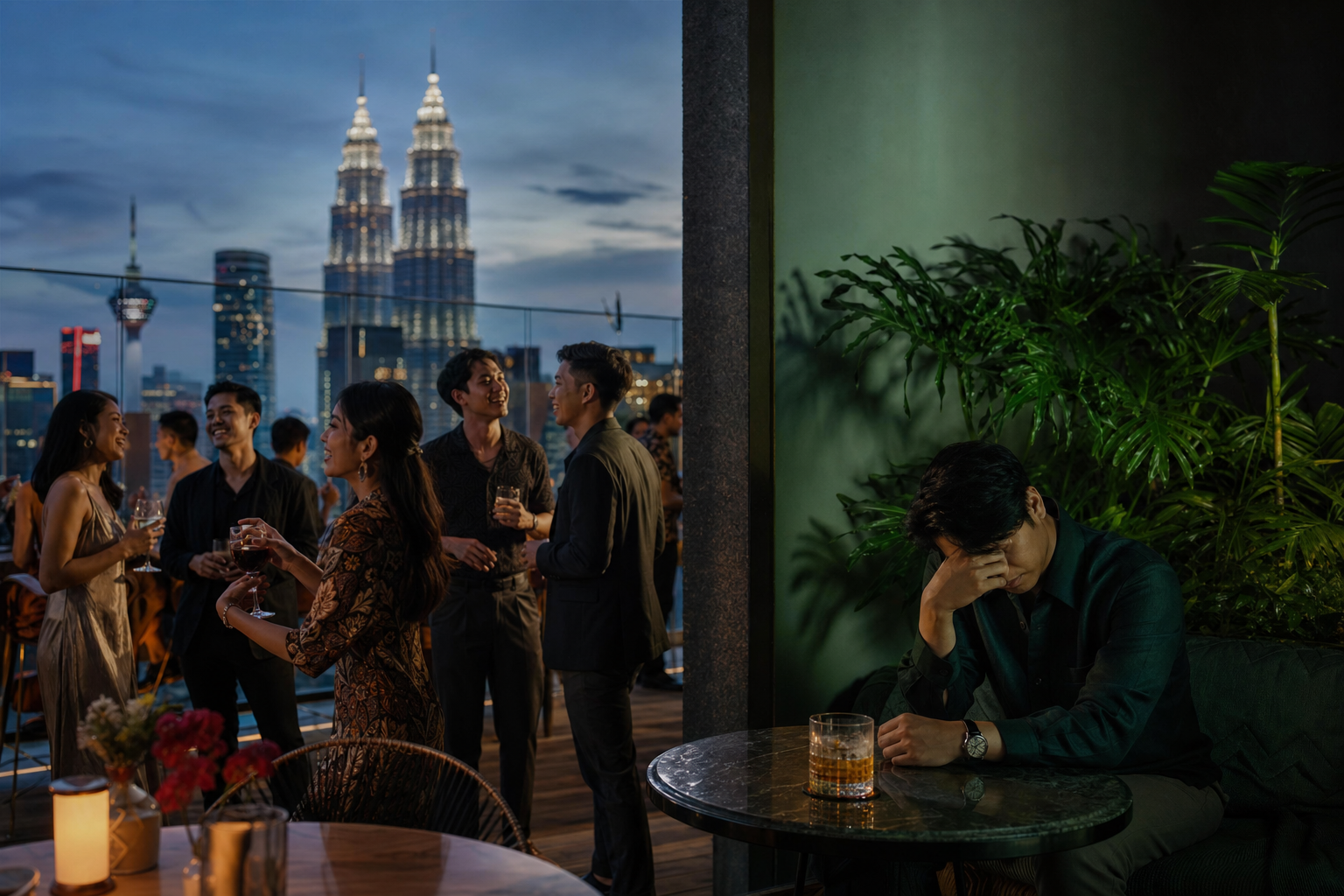
Kuala Lumpur is opening boutique lifestyle destinations and celebrating regional cultural unity — but underneath the polished surface, a generation of young Malaysian men is dealing with a health story that lifestyle brands have been too shy to tell.
A Swedish health startup called Neko has built a 300,000-person waiting list without a single open clinic. Across the world in Kuala Lumpur, a new curated market just quietly became one of the most talked-about lifestyle destinations in the city. These two facts, sitting thousands of miles apart, have more to say about Malaysia's lifestyle industry in June 2026 than almost any trend report will admit.
The Malaysian lifestyle sector is performing confidence. The foot traffic is real, the new spaces are beautiful, and the regional cultural story is genuinely exciting. But the brands winning the next three years won't just be the ones with the nicest fit-out. They'll be the ones willing to look at what's sitting just beneath the surface — the health anxieties, the budget pressures, the identity questions — and build something honest around them.
The New Spaces Are Telling a Story Worth Listening To
When Le Bon Août Marché opened in KL as an exciting new lifestyle destination, it wasn't just another pop-up. It was a signal. Malaysians are hungry for lifestyle spaces that feel considered — places that offer a reason to arrive rather than simply to buy. The appetite for curation over convenience is growing, and it's reshaping how everything from fashion to wellness needs to be staged.
This sits alongside a genuinely moving regional story. Black Cat Dance Theatre is actively bridging Malaysia and Indonesia through performance art, and Indonesian artist Nadhif Basalamah has spoken about how music unites the two countries. For lifestyle brands operating in the Klang Valley and beyond, this is not soft cultural news. It is market intelligence. The Malaysian consumer — especially among younger demographics — is increasingly defining their identity through regional belonging and shared creative culture, not just through product ownership.
Brands like Bonia have understood for years that aspiration in Malaysia carries a particular texture: it is never purely Western-facing, and it is never entirely local either. The smart play right now is leaning into that in-between space — the Nusantara sensibility that is finally getting its cultural moment.
The Health Shift That Lifestyle Brands Are Ignoring
Here is where the picture gets more complicated, and more honest.
Early onset erectile dysfunction is affecting young Malaysian men at a rising rate, according to a report by NST Online. Stress, sedentary behaviour, poor sleep and diet are the primary culprits — all of them squarely within the lifestyle industry's territory of influence. And yet scroll through the marketing of most Malaysian wellness, fitness, or even food and beverage brands, and you will find almost nothing speaking to this reality.
This is the gap. The global conversation around longevity and preventative health is accelerating — Neko's 300,000-strong waiting list for health scan clinics before a single door has opened is proof of extraordinary pent-up demand. In Malaysia, wellness as a lifestyle category is still largely positioned around aesthetics: the gym selfie, the clean eating post, the supplement stack. The deeper conversation about men's health, mental resilience, and preventative care is happening in private — in doctor's offices and WhatsApp groups — not in brand campaigns.
For marketers, this represents a genuine white space. The brands that build trust with young Malaysian men around real health outcomes — not just performance or physique — are going to earn a loyalty that aesthetics-first brands simply cannot.
Value Is Being Redefined, Not Abandoned
There is a tempting interpretation of the current market that goes something like this: consumers are tightening their belts, so affordable brands win. The data from Europe — where more than half of consumers are now worried about daily finances and spending less on clothing — is a warning signal for Southeast Asian markets that share similar economic pressures.
But in Malaysia, the story is more nuanced. Padini continues to hold ground precisely because it never overclaimed. AEON anchors daily life for millions of Malaysian families in a way that no amount of digital disruption has displaced. Mr DIY turned hardware and home essentials into a lifestyle proposition almost by accident, and is now one of the most visited retail destinations in the country.
What these brands share is not price-pointing. It is relevance. They understand that a Malaysian consumer in 2026 is not simply trading down — they are trading more carefully, asking harder questions about what a purchase actually delivers. Uniqlo Malaysia has read this well, positioning around craft and functionality rather than trend-chasing. The lesson for brand managers is clear: value in this market is now experiential and emotional, not purely transactional.
Globally, the Skechers-Serta mattress partnership — comfort technology crossing from footwear into sleep — is an interesting case study in how lifestyle adjacencies can unlock new relevance without new audiences. Malaysian brands sitting at category intersections should be watching this kind of move closely.
What Brands Should Actually Do Next
The lifestyle brands that will matter in Malaysia through the rest of 2026 are the ones making three moves simultaneously.
First, invest in cultural specificity. The regional Nusantara moment is not a niche — it is a mainstream identity shift among younger Malaysians. Creative campaigns that acknowledge the Malaysia-Indonesia cultural continuum, and treat it as a source of pride rather than a demographic footnote, will land meaningfully.
Second, enter the men's health conversation with seriousness. This requires courage, but the reward is loyalty. Whether through content partnerships, community-building, or product development, the gap between what young Malaysian men are experiencing and what lifestyle brands are saying to them is wide enough to build an entire brand positioning inside.
Third, build for the deliberate buyer. The impulse purchase era is softening. Consumers want to feel that they chose well. Spaces like Le Bon Août Marché succeed because they make the act of discovery feel intentional. Brands and retailers should be designing their customer journeys — physical and digital — around that same feeling of earned choice.
For those working on creator-led campaigns, Creamatch has become a useful infrastructure layer for Malaysian brands that want managed, authentic content without the overhead of building creator relationships from scratch. In a market where trust is increasingly the currency, the quality of the voice matters as much as the reach.
You can track how these signals are moving across the Malaysian lifestyle landscape through Verbrol Pulse, which aggregates social and news data across Southeast Asian markets in real time.
The surface story of Malaysia's lifestyle industry in mid-2026 is one of energy, new destinations, and regional pride. The deeper story — the one worth building a strategy around — is about a generation navigating health, identity, and value in ways that most brands have not yet had the honesty to address. The brands that show up for that deeper story are the ones that will still be relevant when the next market opens its doors.
Track Lifestyle trends in real-time at verbrol.com
Read more on Verbrol Intelligence: