Malaysia's lifestyle consumer isn't retreating — they're recalibrating. For brands still selling the old dream, the gap is widening fast.
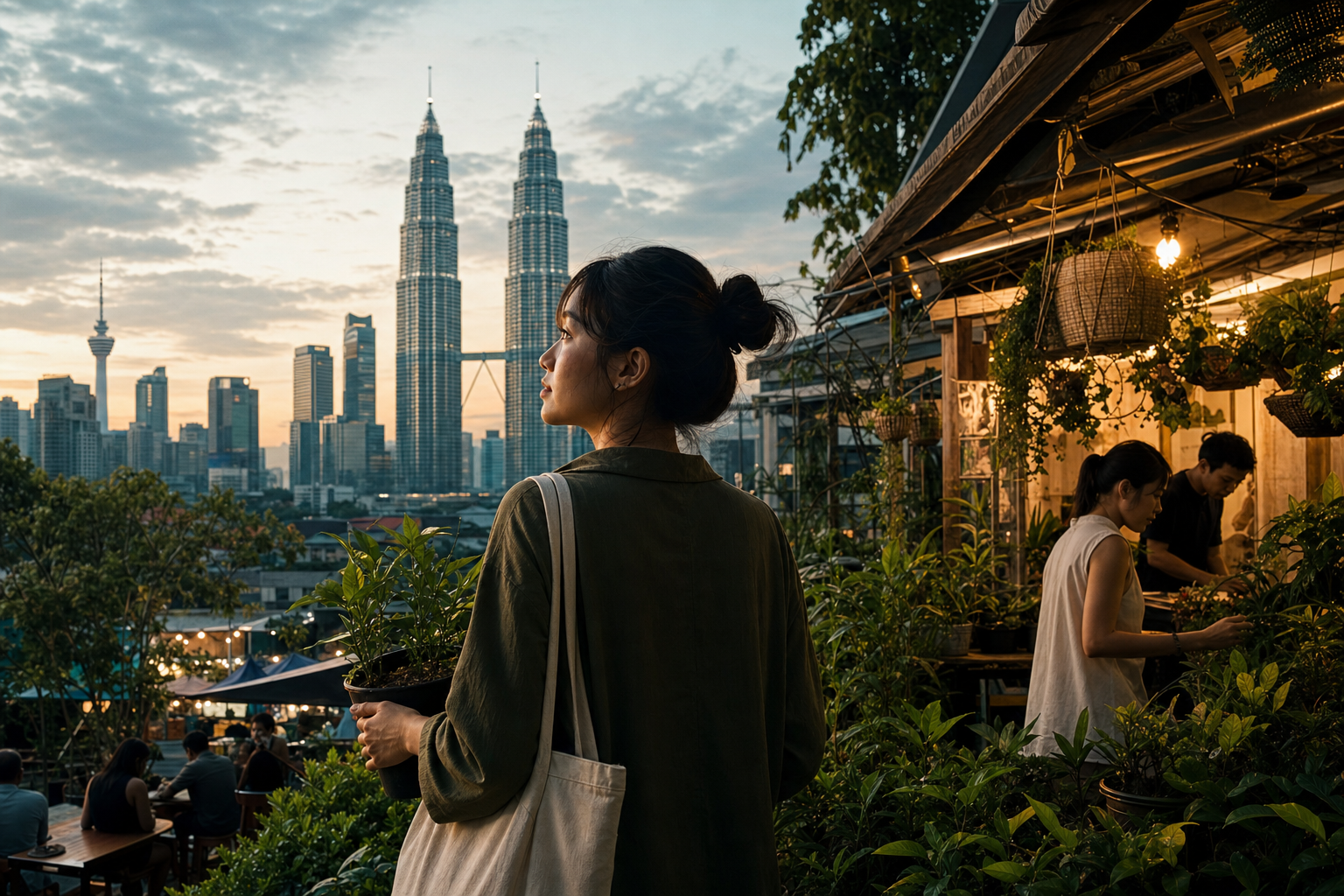
There's a woman I think about sometimes when I'm watching how markets move. I met her at a pasar malam in Petaling Jaya a few years back, sorting through a rack of Padini blouses with the quiet precision of someone who had done the sums in her head before she even left the house. She wasn't broke. She wasn't extravagant. She was deliberate. She told me she'd stopped buying things that didn't last — in quality, or in meaning. I've been thinking about her a lot lately.
Because the Malaysian lifestyle consumer of mid-2026 looks remarkably like her.
The Deliberate Consumer: Spending Less, Expecting More
Across Southeast Asia, the post-pandemic spending high has cooled into something more considered. While research from Boston Consulting Group shows that more than half of Europeans are now worried about their daily finances, the signal from Malaysia is different in texture, if not in direction. Malaysian shoppers aren't necessarily spending less — they're spending differently. They're asking harder questions about what a purchase is actually worth.
This is the quiet pressure on lifestyle retail right now. Parkson, once a byword for mid-range aspiration, has been navigating a repositioning that the market hasn't fully resolved. Meanwhile, Aeon continues to hold ground by leaning into everyday practicality — groceries, family essentials, the unglamorous stuff that keeps people coming back. The brands surviving this moment are the ones that understood, earlier than most, that value isn't a price tag. It's a feeling of not being foolish.
For marketers, that's the brief: make the consumer feel intelligent, not just satisfied.
Wellness Is No Longer a Niche — It's a Negotiation
Perhaps the most significant structural shift in Malaysia's lifestyle landscape right now is the mainstreaming of wellness — and the growing political pressure to make it rewarding, literally. Health advocates are calling on the Malaysian government to reward citizens who practise healthy lifestyles, through insurance discounts, tax incentives, and community programmes — a proposal that, if it gains traction, would reshape how lifestyle brands position everything from athleisure to meal prep to sleep technology.
This isn't abstract policy. It's a commercial opportunity. IKEA Malaysia has already been threading sustainability and considered living into its local marketing — the idea that a well-organised home is a healthier home. Uniqlo Malaysia has leaned into functional minimalism, tying product quality to longevity in a way that rhymes perfectly with this wellness-adjacent, waste-averse mood.
The global parallel is instructive too. Swedish health startup Neko, which bills itself as the 'affordable luxury of longevity,' has built a 300,000-person waiting list before opening its first US clinic. The appetite for proactive, aspirational health is not a Western curiosity — it's landing in Asia too, and Malaysian brands would be wise to position ahead of it rather than react after.
For brand managers, the actionable question is this: does your product or service belong in the story of a consumer who takes themselves seriously? If not, the shelf life of your current positioning may be shorter than you think.
Culture as Commerce: The Soft Power Moment
Malaysia's lifestyle sector has always been a conversation between global influence and local identity — and that tension is producing genuinely interesting creative energy right now.
Black Cat Dance Theatre is bridging Malaysian and Indonesian artistic traditions in a production that signals something broader — the cultural appetite in this region for stories that feel genuinely rooted, not imported. Bernama has been tracking this kind of cross-border creative exchange with increasing frequency, and it's no accident that it's happening at a moment when consumers are questioning the authenticity of everything they buy.
And then there's football. The 2026 FIFA World Cup is already generating significant planning behaviour among Malaysian fans — from where to watch, to what to wear, to how to host. Lifestyle brands that can anchor themselves to these cultural moments authentically, rather than bolting on a logo and calling it a campaign, are the ones that will earn real loyalty.
Mr DIY is a useful case study here. The brand's dominance isn't built on trend-chasing — it's built on being present, affordable, and genuinely woven into the texture of everyday Malaysian life. That's a form of cultural fluency that the more aspirational end of the market is still learning to replicate.
Bona fide cultural relevance is increasingly the domain of creator-led content. Platforms like Creamatch, Malaysia's managed creator content platform, are helping brands find the voices that speak to specific communities with genuine authority — not just reach. In a market where trust is the scarcest currency, that kind of targeted authenticity matters more than a polished TVC.
The Migration Signal: A New Consumer Walking In
One of the more unexpected data points circulating in regional media is the visibility of Malaysia as a lifestyle destination for Chinese professionals navigating the pressures of their own economy. South China Morning Post reports that for those caught in China's 'involution' culture, RedNote is positioning Malaysia as a genuine alternative — for living, working, and building a quieter life.
This matters to lifestyle marketers for a reason that isn't immediately obvious: new residents bring new spending patterns, new aesthetic references, and new expectations. The Malaysian market is being quietly diversified from within. Brands that have built their entire identity around one local cultural register may find themselves speaking to a narrowing audience.
The Verbrol Pulse is tracking this convergence of migration, digital community-building, and retail behaviour — and the signal is consistent: the definition of 'Malaysian consumer' is expanding, and brand strategy needs to expand with it.
What This Means for Your Brand Strategy Right Now
The Malaysian lifestyle market in June 2026 isn't in crisis — it's in conversation. The consumer is asking questions, and the brands with real staying power are the ones willing to answer honestly.
A few things worth acting on:
- Anchor your wellness story before someone else tells it for you. The government-incentivised healthy living agenda is coming. Brands in food, fashion, home, and fitness should be building their narrative now, not retrofitting it later.
- Cultural fluency beats cultural appropriation every time. Showing up at a football final with a hashtag isn't a strategy. Earning a place in how people celebrate, mourn, and gather — that's a brand.
- Creator relationships should be managed, not transactional. The difference between a campaign that lands and one that evaporates is usually in the quality of the creator relationship. Platforms built for managed, long-term collaboration — like Creamatch — give brands the infrastructure to build that kind of trust at scale.
- The deliberate consumer rewards transparency. Price still matters. But the value proposition that wins right now is one that makes the buyer feel seen, not sold to.
Malaysia's lifestyle sector is not short of energy. It is short of clarity — about who the consumer is becoming, and what story brands need to tell to stay relevant to that person. The woman at the pasar malam, the one doing the quiet maths in her head? She's still out there. She just has higher standards now.
So does the market.
Track Lifestyle trends in real-time at verbrol.com
Read more on Verbrol Intelligence: