Malaysia's lifestyle market isn't moving in one direction — it's splintering into a dozen vivid subcultures at once, and the brands paying attention are the ones quietly winning.
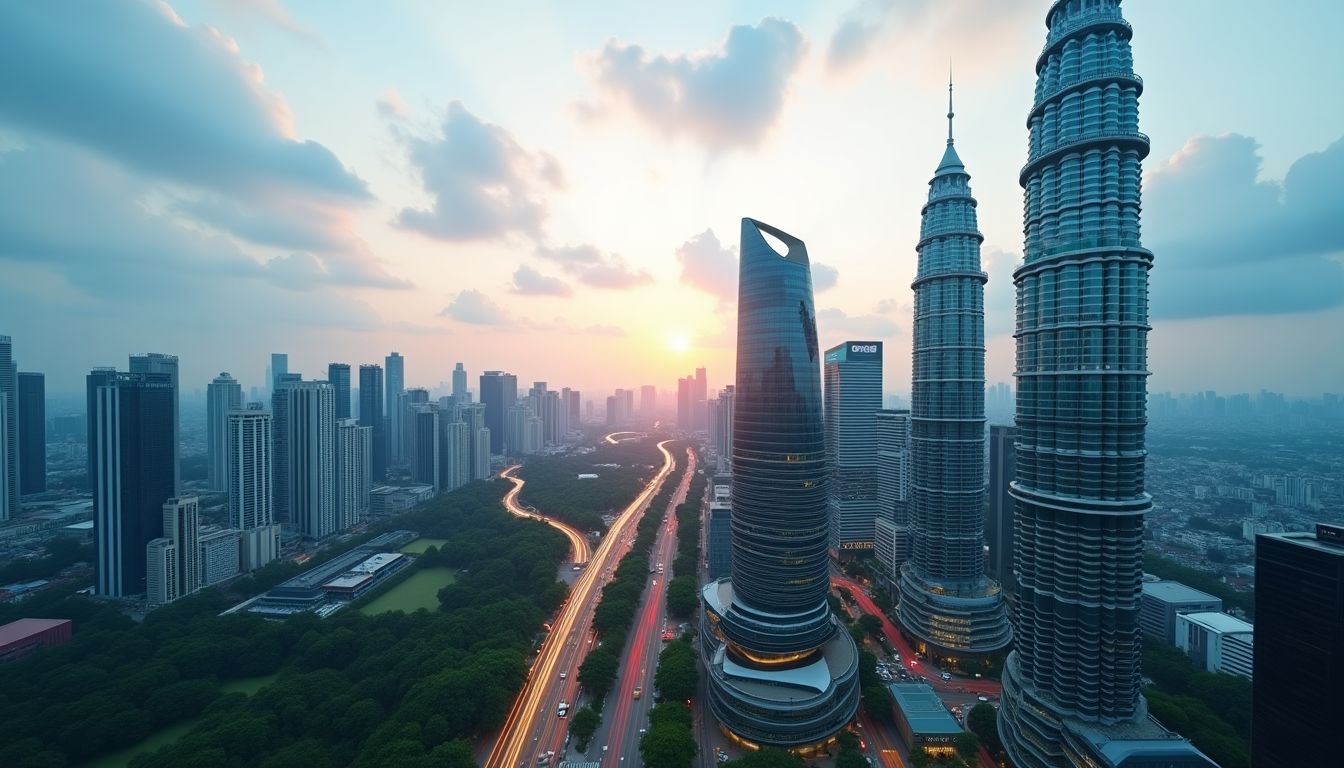
KLCC recently turned into a LEGO playground, and thousands of Malaysians showed up on a weekday.
That single image — families weaving through giant brick sculptures beneath the Petronas Towers, mixing play with exercise at the KLCC Play Run 2026 — tells you more about where Malaysia's lifestyle market is headed than any single category report could. People aren't just buying things anymore. They're buying experiences, community, and increasingly, the feeling that how they spend a Saturday morning says something meaningful about who they are.
I've spent the last 48 hours watching the signals — news cycles, social threads, brand announcements — and what's emerged is a portrait of a market that's fragmenting beautifully. Not chaotically. Beautifully. Because within that fragmentation, there are very clear throughlines for anyone willing to follow the thread.
The Experience Economy Has Grown Roots Here
For years, analysts described Malaysia as an experience economy in waiting — a market that understood the concept but hadn't quite committed to it. That hesitation appears to be over.
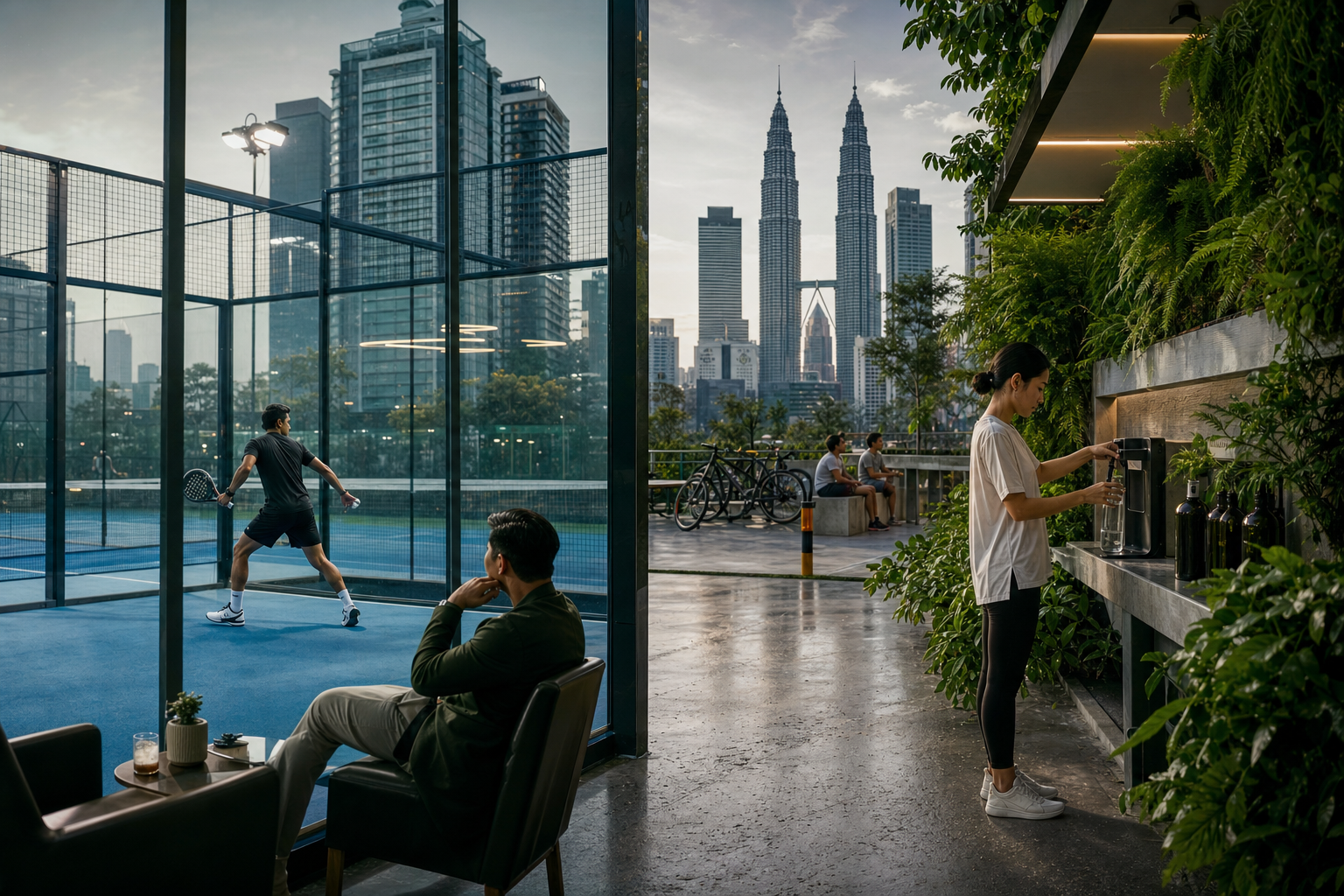
The padel story is the clearest illustration. Ground 0.0's celebration of padel's expanding lifestyle scene in Malaysia isn't just a sports story — it's a lifestyle story. Padel courts have become social infrastructure. They're where the after-work crowd decompresses, where brand activations now happen, where premium beverage labels are finding their most receptive audience. The sport has given lifestyle marketers something genuinely useful: a recurring, participatory moment that brings the same demographic back every week.
Couple that with the rooftop dining and Father's Day entertaining culture highlighted in Prestige Online's recent round-up of cocktail and feast experiences, and you see the shape of a particular Malaysian consumer emerging: urban, experience-hungry, and deeply invested in the setting of how they consume. The venue is the product. The atmosphere is the purchase.
For brand managers, this means one thing above everything else: distribution is no longer just physical or digital — it's contextual. Where your product appears matters as much as what your product does.
Sustainability Has Moved From Statement to System
The global beauty conversation this week has been dominated by two contradictory stories: L'Oréal's cross-divisional activation for World Refill Day, and an uncomfortable industry post-mortem asking what actually happened to refillable packaging after the initial wave of enthusiasm. Both stories are live simultaneously, and that tension is instructive.
In Malaysia, the sustainability conversation in lifestyle has always been more pragmatic than ideological. Consumers here didn't adopt eco-messaging because it was fashionable — they've been slower to adopt it wholesale, which means brands that earn their trust on sustainability tend to keep it. Aeon's long-running push toward reduced packaging and local sourcing within its retail ecosystem reflects this: quiet, consistent, rooted in value as much as values.
The refill question — why didn't it scale? — deserves honest attention from Malaysian beauty and wellness marketers. The answer isn't that consumers don't care. It's that the system wasn't convenient enough. Refillable only works when the refill point is on the way to somewhere you're already going. Mall-anchored brands in Malaysia have an inherent structural advantage here that hasn't been fully leveraged.
Mr DIY, interestingly, offers an adjacent case study in a completely different category: a value-driven, high-footfall retailer that has quietly become part of the household maintenance ecosystem for millions of Malaysians. The lesson isn't about DIY products — it's about frequency. Brands that insert themselves into habitual journeys are the ones that can actually shift behaviour over time, including sustainable behaviour.
For brand strategists tracking this space, Verbrol Pulse has been mapping the sustainability signals in Malaysian lifestyle for the past several quarters — and the pattern is consistent: the brands winning aren't the loudest on green messaging, they're the ones with the most habitual consumer touchpoints.
Culture Is the New Category
The Bernama report on Malaysia's mixed media exhibition revisiting the country's contemporary art evolution lands this week alongside Netflix announcing The East Palace Korean series, and the Grab Malaysia story about a passenger-driver BUDI95 credits dispute going viral on Threads. These aren't isolated stories. They're all telling you the same thing about the Malaysian consumer: culture is being consumed horizontally, across art, streaming, social friction, and civic life, all at once.
This has profound implications for lifestyle brands trying to reach the Malaysian market through content. The old vertical — fashion brand talks to fashion audience, wellness brand talks to wellness audience — is increasingly insufficient. The consumers who care about the mixed media exhibition at a KL gallery are very likely the same consumers watching Korean drama on Friday night and debating ride-hailing ethics on Threads by Saturday morning.
Creator-led content is one of the most effective ways to navigate this horizontal cultural moment, precisely because good creators live inside multiple conversations simultaneously. Platforms like Creamatch, Malaysia's managed creator content platform, exist specifically to connect lifestyle brands with creators who can hold that complexity — who can talk about a padel morning, a refillable serum, and a KL art show in the same week without it feeling incoherent, because for their audience, it isn't incoherent. That's just life.
Bonia's recent positioning moves are worth noting here — the heritage Malaysian leather brand has been carefully threading a line between local cultural pride and contemporary lifestyle aspiration, which is exactly the kind of cultural fluency that resonates in this horizontal consumption environment. Meanwhile, Uniqlo Malaysia continues to demonstrate how a functional fashion brand can anchor itself in the cultural calendar — limited collaborations, art-adjacent campaigns — without abandoning its core value proposition.
What Brand Managers Should Do With This
Three things stand out from this 48-hour read of the landscape:
-
Design for the contextual moment, not the category. Your product's lifestyle fit matters more than its category fit. Padel courts, rooftop venues, and KLCC pop-ups are the new distribution channels.
-
Build sustainable systems, not sustainable statements. The refill packaging story is a cautionary tale. Convenience and habit are the mechanisms. Values are the reason. Don't confuse them.
-
Invest in horizontal storytelling. Malaysian consumers are culturally fluid. Your brand strategy should be too. This is where creator partnerships through platforms like Creamatch genuinely earn their place in a media plan — not as a reach play, but as a cultural fluency play.
According to Bernama, Malaysia's cultural sector is actively reclaiming and reinterpreting its own contemporary history — and that impulse toward identity and meaning runs through the lifestyle market too. The Indian couple profiled by says.com who chose Malaysia over Singapore for family life cited quality of life, pace, and community — which is to say, they cited the lifestyle proposition of an entire country. That proposition is real, and it's being lived out in padel courts and art galleries and LEGO runs under the twin towers.
The brands that understand this aren't just selling products. They're participating in the story Malaysia is writing about itself right now. That's the whole job.
Track Lifestyle trends in real-time at verbrol.com
Read more on Verbrol Intelligence:
- Malaysia's Lifestyle Market Is Choosing Story Over Status
- Lifestyle Malaysia Kini Bukan Soal Beli — Ia Soal Siapa Kau
- Orang Malaysia Keluar Lebih, Belanja Lebih — Tapi Ke Mana Perginya Wang Itu?
Related Reading
- Malaysia's Lifestyle Market Is Choosing Story Over Status
- Malaysia's Lifestyle Boom Is Being Built in Third Places
- Malaysian Lifestyle Is Splintering — And Brands Are Missing It
Frequently Asked Questions
What lifestyle trends are emerging in Malaysia right now? Malaysia is shifting toward an experience economy where consumers prioritize activities, community, and meaningful experiences over just purchasing products. This is evident in the popularity of events like the KLCC Play Run 2026 and the growing padel sports scene, which combine physical activity with social connection and lifestyle identity.
Why is padel becoming so popular in Malaysia? Padel is gaining traction in Malaysia as part of a broader lifestyle movement where people seek experiences that reflect their identity and values. The sport appeals to consumers looking for community-based activities and wellness, positioning it as more than just a sport but a lifestyle statement.
How are Malaysian brands adapting to these lifestyle changes? Brands like Bonia, Mr DIY, Aeon, and Uniqlo Malaysia are responding by offering products and experiences that align with the experience economy, such as community events, wellness-focused initiatives, and sustainability options like refill stations. They're recognizing that consumers want brands that reflect their values and lifestyle choices.
What does the success of events like KLCC Play Run 2026 tell us about Malaysian consumers? The massive turnout shows that Malaysian consumers increasingly seek out experiences that combine leisure, fitness, and family time in shared spaces. This indicates a market ready to invest in lifestyle activities that offer both personal wellness and community engagement, moving beyond traditional shopping-focused entertainment.