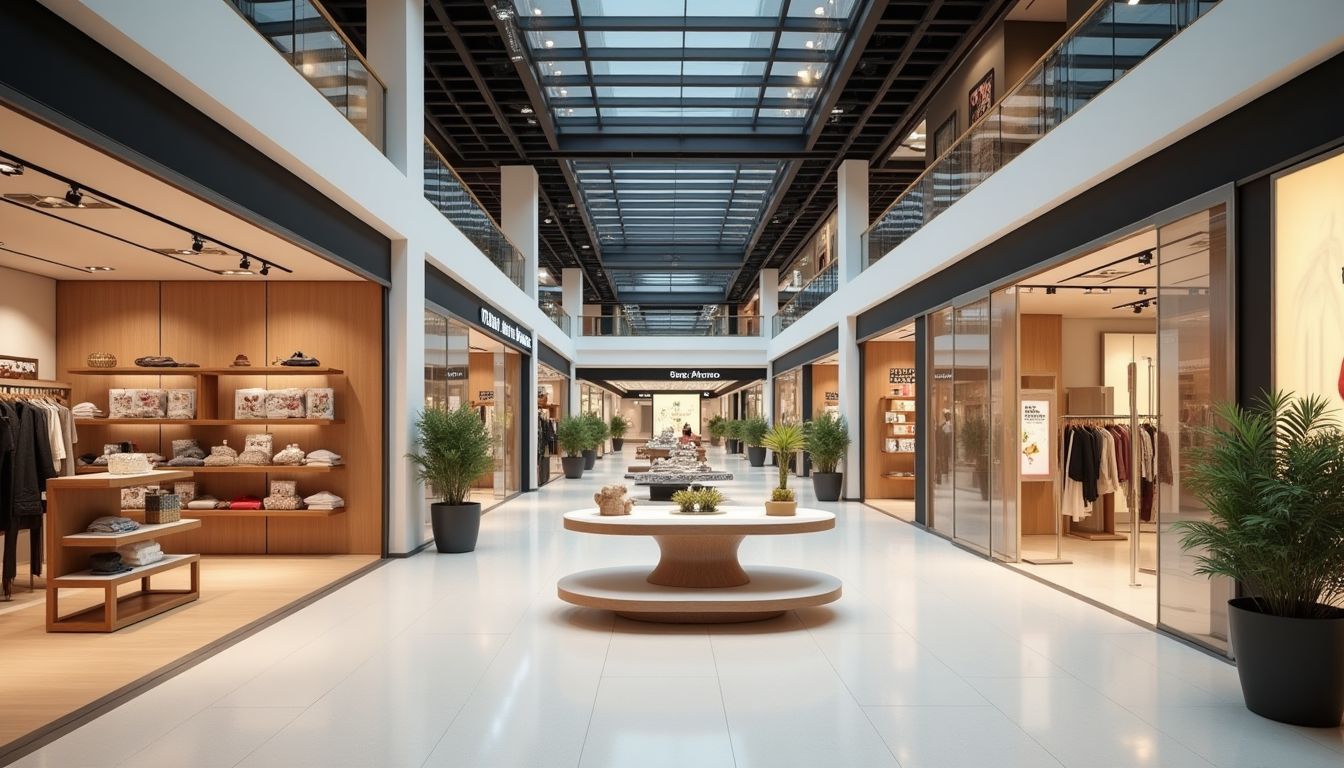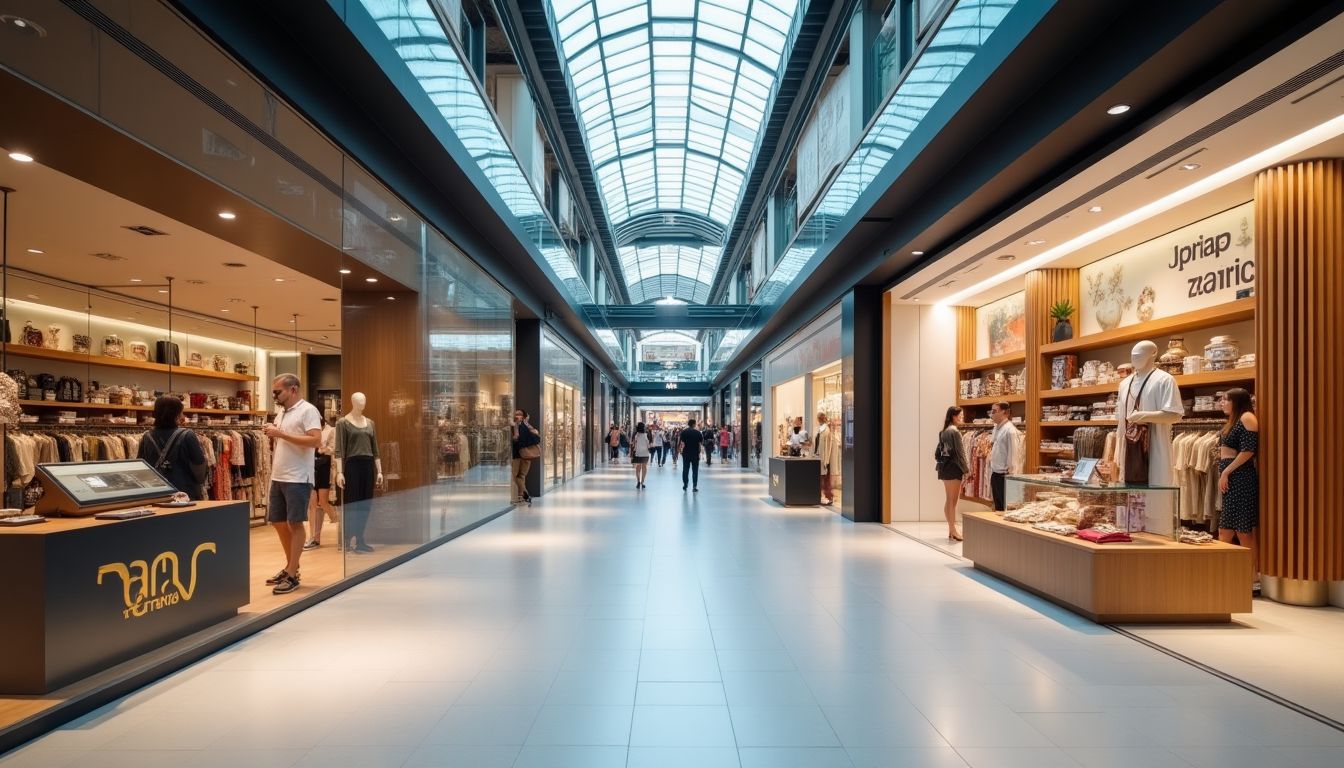
Big numbers are landing — but the forecast is being walked back. Malaysia's retail sector is caught between a genuine spending surge and structural pressure that most brands haven't priced in.
When the Numbers Look Good But the Mood Doesn't Match
Have you ever watched a scoreboard tick up while the players on the field look exhausted? That's essentially where Malaysia's retail sector sits right now, mid-2026.
The headline figure is legitimately impressive: Malaysia's wholesale and retail sector jumped 15% year-on-year to RM174 billion in April 2026, according to BusinessToday Malaysia. Simultaneously, first-quarter retail sales growth came in at a below-expectation 3.7% — prompting the Retail Group Malaysia to cut its full-year forecast, per The Edge Malaysia.
Both facts are true. They just describe different layers of the same market. Understanding the gap between them is the whole game right now for brand managers and marketers operating in this space.
The Volume Is There. The Velocity Isn't.
Here's the thing about that RM174 billion number — it's a wholesale and retail aggregate that includes a lot of B2B movement. Consumer-facing retail is a different story. The 3.7% Q1 growth figure is closer to what shoppers are actually doing with their wallets, and it's underwhelming against a backdrop of full employment and post-pandemic normalisation.
Several dynamics are squeezing the sector from both ends.
Cost pressure from the top. Malaysian gold retailers are facing capital constraints in acquiring inventory, according to Nikkei Asia — a sector that has been one of the cleaner consumer confidence indicators over the past two years. When gold shops are struggling to stock shelves, that tells you something about tightening credit and working capital conditions across physical retail broadly.
Demand fragmentation from below. Shoppers aren't spending less — they're spreading it thinner. The bifurcation between value retail and premium experiences has never been sharper. 99 Speedmart continues to expand its convenience footprint aggressively in suburban and semi-urban corridors, while at the higher end, Village Grocer holds its ground as a quality signal for urban middle-class households. The middle — mid-range department stores, traditional supermarkets — is getting hollowed out.
Mr DIY sits in a fascinating position here. Its value-engineered home and lifestyle model is built for exactly this kind of market: shoppers who want to feel like they're spending smart, not spending less. That psychological framing is increasingly where retail wins are coming from.
New Entrants Aren't Waiting for the Market to Resolve Itself
While existing players recalibrate, foreign brands are reading Malaysia as a growth market and moving fast. Singapore's PRISM+ is expanding its product range and widening its retail footprint in Malaysia, per The Sun Malaysia — a direct-to-consumer electronics and lifestyle brand that has clearly decided Malaysian consumers are worth a structured omnichannel bet.
This is worth paying attention to, because PRISM+ isn't coming in with a flagship megastore strategy. It's combining e-commerce presence (Shopee and Lazada are obvious distribution channels here) with physical retail touchpoints — a playbook that more agile mid-tier brands will need to study quickly.
The brands winning on this hybrid model share a few traits:
- They treat physical retail as a brand experience layer, not just a transaction point
- They invest in content and creator-driven discovery to drive foot traffic and site visits
- They manage their retail and digital inventory as a single system, not two separate P&Ls
On that second point — if your brand is trying to build awareness in a market where consumer attention is fractured across short-form video, Shopee Live, and in-mall activations, the creator economy is no longer optional. Platforms like Creamatch, Malaysia's managed creator content platform, are increasingly where serious retail brands are allocating budget to bridge the gap between online discovery and in-store conversion.
What Actually Moves the Needle From Here
For brand managers and agency professionals working across Malaysian retail right now, the 3.7% growth miss is actually more useful as a diagnostic than the RM174 billion headline. Here's how to read it as a field guide:
1. Stop treating value and premium as separate strategies. The Malaysian shopper in 2026 moves fluidly between Aeon, Lotus's, and online marketplaces within a single week depending on category. Your positioning needs to be coherent across all of these, not just optimised for one channel.
2. Capital efficiency is a retail story, not just a finance story. The gold retailer squeeze reported by Nikkei Asia is a specific case, but the underlying dynamic — tightening access to working capital affecting inventory and expansion plans — applies broadly. Brands that help their retail partners manage sell-through velocity are going to have better shelf presence than those who don't.
3. Wholesale volume growth doesn't automatically translate to consumer pull. The April RM174 billion figure reflects distribution and wholesale movement. Brands should be tracking sell-out data, not just sell-in, and mapping that against consumer sentiment indicators. Verbrol Pulse tracks this kind of market-level signal across Malaysia continuously, which is useful when your internal data lags the market by a quarter.
4. New entrants will set the benchmark for omnichannel experience. PRISM+'s Malaysia push isn't just competition for electronics shelf space — it's raising the bar for what a coherent retail-to-digital brand experience looks like. Malaysian-born retailers like Mydin and Econsave have genuine scale advantages, but they'll need to move faster on digital integration to hold category loyalty with younger shoppers.
5. Creator content is now retail infrastructure. According to Bernama, Malaysia's digital economy is increasingly the front door for physical commerce. If your retail brand doesn't have a structured creator content programme — not one-off influencer posts, but a managed, always-on content engine — you're ceding discovery to competitors who do.
The Market Is There. The Strategy Gap Is What Hurts.
Malaysia's retail sector isn't in trouble. It's in transition — and transitions punish brands that are still running last cycle's playbook. The 15% wholesale jump says the pipes are full. The 3.7% Q1 miss says consumer conversion is where the work needs to happen.
The brands and marketers who will look smart at end-of-year reviews are the ones who read this moment correctly: not as a slowdown to wait out, but as a structural shift to get ahead of — with smarter omnichannel builds, tighter creator ecosystems, and a clear-eyed view of where Malaysian shoppers are actually going next.
For ongoing analysis, The Star's business desk and Free Malaysia Today's market coverage remain solid primary sources. And if you want real-time signal monitoring across retail and consumer categories, Verbrol has the Malaysian market covered.
Track Retail trends in real-time at verbrol.com
Read more on Verbrol Intelligence: