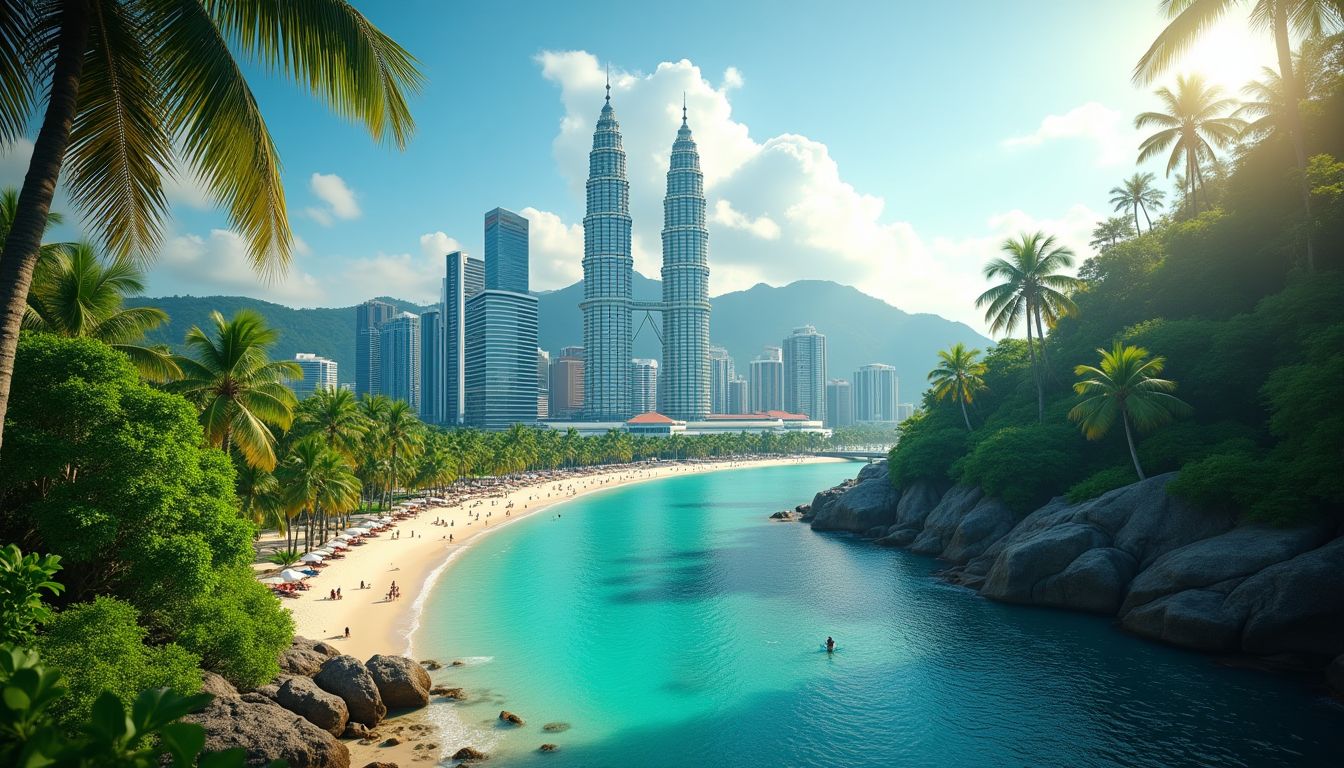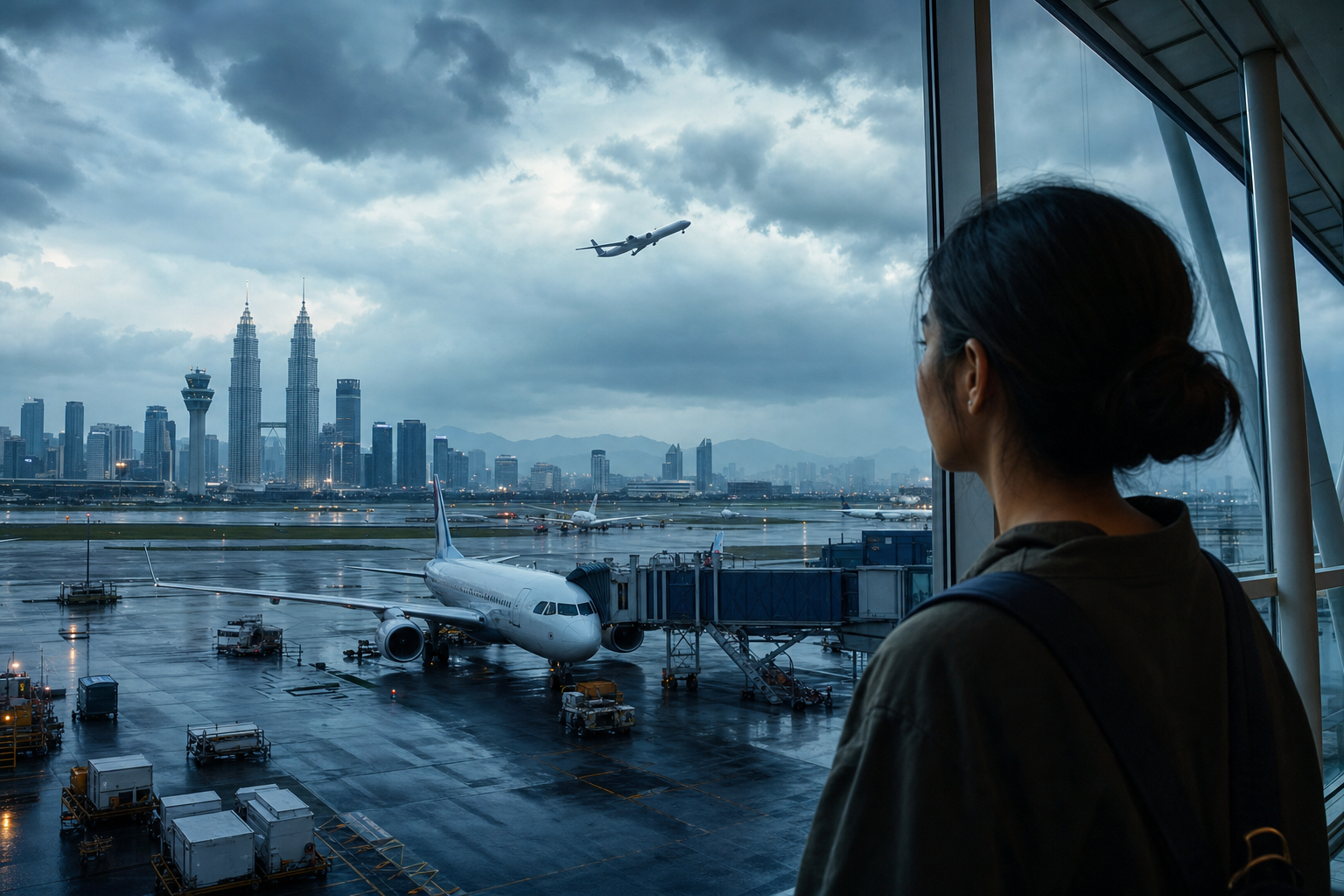
Big money is moving through Malaysia's travel sector — but the glossy headline numbers are running alongside a quieter story of structural strain and strategic reinvention.
Domestic tourism spending in Malaysia reached RM121.3 billion last year. That is not a projection or an aspirational target — it is a number confirmed by the Department of Statistics, and it lands with the full weight of a sector that has, by most visible measures, roared back to life.
Spend that figure a moment before reading further. Then consider that AirAsia X — the long-haul arm of Malaysia's most recognisable aviation brand — is simultaneously eyeing up to US$600 million in debt restructuring, and that travellers across the region are quietly but meaningfully changing how they travel in response to rising fuel costs.
This is Malaysia's travel story in June 2026: triumphant on the surface, structurally fascinating underneath.
The Numbers That Make Malaysia a Tourism Story Worth Telling
The Department of Statistics does not deal in hyperbole. When it reports that domestic tourism spending hit RM121.3 billion, with visitor numbers climbing 11.5 per cent year-on-year, the implication is clear: Malaysia's domestic tourism engine is not merely recovering — it is expanding its architecture.
For brand managers and marketers operating in this space, the 11.5 per cent visitor surge is particularly instructive. It suggests that Malaysians are not simply spending more per trip; they are taking more trips. That is a behavioural shift with meaningful implications for hospitality, retail, and experiential brands alike.
The inbound picture is equally compelling. Malaysia has, according to recent reporting, overtaken Thailand as the preferred destination for Indian travellers — a demographic that is growing, affluent, and increasingly discerning. The drivers cited are straightforward: more accessible visa frameworks, a perception of affordable luxury, and the ease of navigating a destination that feels genuinely welcoming. For Tourism Malaysia and its private-sector partners, this is a window that demands cultivation, not complacency.
The Aviation Layer: Ambition, Restructuring, and New Routes
No honest account of Malaysian travel in 2026 can sidestep aviation, and aviation this week is a story of simultaneous expansion and financial recalibration.
AirAsia X is navigating a debt restructuring of up to US$600 million — a significant figure, and one that reflects the accumulated weight of pandemic-era disruption on long-haul low-cost models globally. At the same time, the carrier has announced the Kuala Lumpur–Bahrain–London route, positioning Bahrain as its first strategic European hub before subsequently postponing the launch due to regional conflict. The ambition is evident even when the timing is complicated.
Elsewhere, the aviation-tourism coalition picture is becoming genuinely interesting. Cambodia, India, Australia, and Malaysia have joined an AirAsia-led aviation-tourism pact centred on the Kuala Lumpur hub — a move designed to unlock smoother connectivity and cultural tourism flows across Southeast Asia. For Malaysia Airlines and Batik Air, which operate within the same connectivity ecosystem, this kind of multilateral hub strategy raises both competitive pressure and partnership opportunity.
Meanwhile, Capital A International — the parent entity of the AirAsia brand — is pursuing a US listing via a business combination with Aetherium Acquisition Corp. If that transaction completes, it repositions the brand's financial architecture in ways that will reverberate through the entire Malaysian aviation and travel sector.
Airlines are infrastructure for tourism. When that infrastructure is simultaneously expanding routes and restructuring debt, the traveller experience and the brand promise become delicate balancing acts worth watching closely.
Visit Malaysia 2026-27: Partnership Energy and the Sunway Signal
On the demand-generation side, the strategic partnership between Sunway and Tourism Malaysia to promote Visit Malaysia Year 2026-27 is a meaningful signal. Sunway is not a peripheral player — it operates integrated resorts, theme parks, hospitality assets, and retail ecosystems. When a brand of that scale formalises its alignment with a national tourism campaign, it reflects genuine commercial confidence in the cycle ahead.
For marketers, the Visit Malaysia 2026-27 platform is a primed distribution channel. The digital nomad visa race — with Malaysia competing alongside Thailand, Vietnam, Indonesia, Singapore, and the Philippines to attract remote workers and extended-stay visitors — adds a new, younger demographic to the consideration set. These are travellers who spend longer, integrate into local economies more deeply, and generate sustained demand for mid-to-premium accommodation and lifestyle experiences.
Shangri-La Hotels (Malaysia) Berhad reported both revenue and profit increases in Q1 2026, lending credibility to the broader hospitality recovery narrative. On the booking platform side, Agoda Malaysia and Traveloka are operating in a market where domestic search intent is elevated and international inbound interest is growing — positioning for both OTAs is arguably stronger now than at any point since 2019.
For brands considering creator-led content campaigns to reach this engaged travel audience, platforms like Creamatch — Malaysia's managed creator content platform — offer a structured route to authentic, localised storytelling that aligns with the Visit Malaysia narrative without the overhead of managing creator relationships individually.
What the Fuel Cost Signal Means for Travel Marketers
Beneath the record spending numbers, there is a quieter behavioural current worth tracking. Rising fuel costs are prompting Malaysian travellers to recalibrate — not abandon travel, but make different choices about frequency, destination proximity, and accommodation tier. This is not a crisis signal; it is a segmentation signal.
For brand managers, this means the market is stratifying in real time. The traveller willing to book a Shangri-La suite is a different proposition from the traveller optimising a long weekend around fuel economics. Both are active; both need to be addressed with distinct messaging and value architectures. A blanket "travel is back" campaign captures neither cleanly.
According to Bernama, the broader economic environment remains supportive, with Bursa Malaysia extending its recovery in mid-June 2026 — a context that tends to correlate with sustained discretionary spending, including travel.
The actionable read for marketers: lean into value specificity. Whether your brand sits at the luxury end or the accessible end, the traveller in 2026 is making more deliberate choices. The brands that meet that deliberateness with equally deliberate messaging — precise, honest, and experientially rich — will earn the booking. The brands that broadcast generically will find the market has quietly moved around them.
You can monitor the signals shaping this sector in real time at Verbrol Pulse, where the full data layer behind this piece — aviation, hospitality, digital nomad visa activity, and inbound tourism sentiment — is tracked continuously.
Track Travel trends in real-time at verbrol.com
Read more on Verbrol Intelligence: