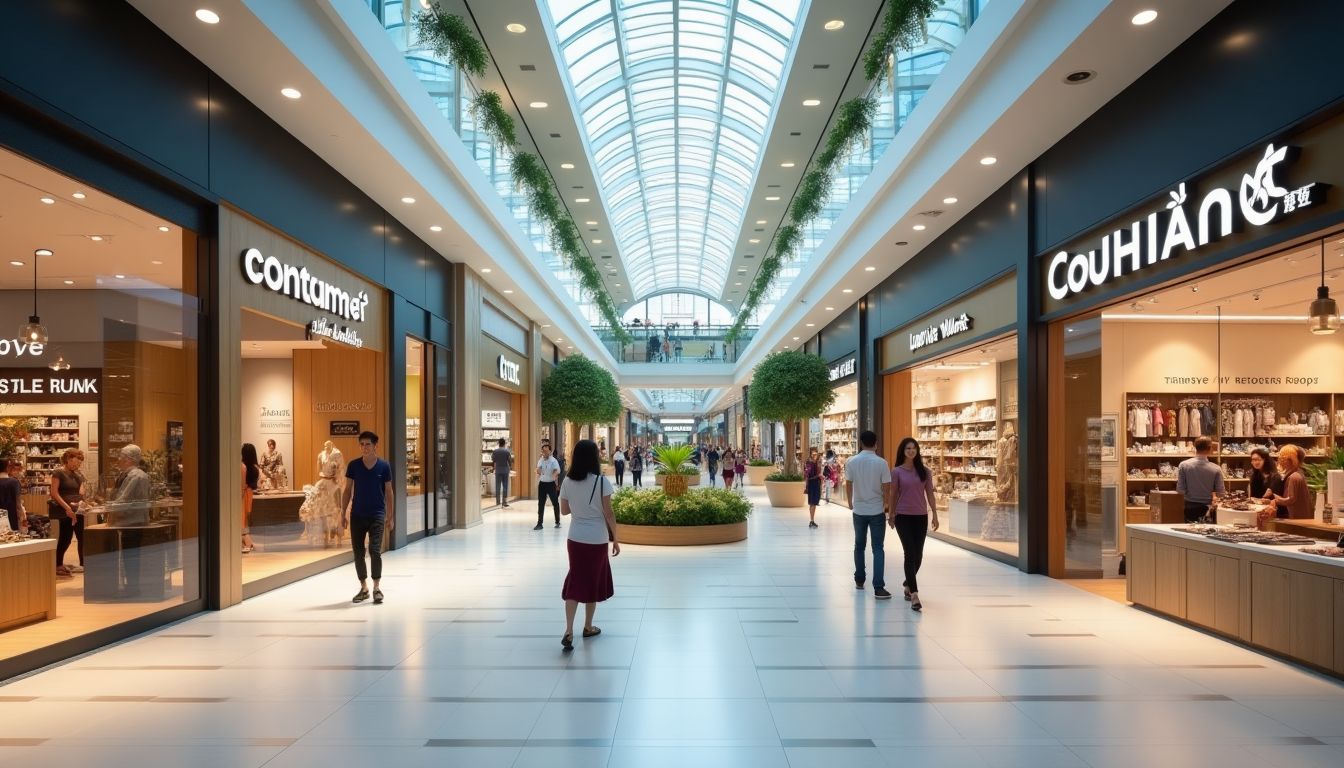
Big numbers on paper, slower pulse on the ground — Malaysia's retail sector is splitting into two very different stories, and brand managers who read only the headlines are already behind.
The Cart Is Moving, But Not Everyone's Pushing It
Malaysians will queue forty minutes for a bubble tea promo and abandon a full Shopee cart over a RM2 shipping fee. That tension — between the desire to spend and the discipline to hold back — is basically the operating system of retail in this country right now. And in mid-2026, it's running louder than ever.
The headline number looks healthy enough: Malaysia's wholesale and retail sector jumped 15% to RM174 billion in April 2026, per BusinessToday Malaysia. But zoom out just one quarter and Q1 2026 retail sales growth came in at a disappointing 3.7%, well below what the Malaysia Retailers Association had forecast — enough for them to cut their full-year outlook. According to Bernama, the association flagged softening discretionary spend as a primary concern.
So which story is true? Both of them. And that's exactly why this moment is tricky for brand managers to navigate.
Two Speeds, One Market
The split in Malaysia's retail sector isn't between online and offline anymore. It's between value-led everyday retail and experience-led or aspirational retail — and the gap is widening fast.
On the value end, the momentum is undeniable. 99 Speedmart continues its relentless neighbourhood-level expansion, making the convenience store format feel almost infrastructural at this point. Mydin and Econsave are holding steady as go-to destinations for price-sensitive households. These players aren't just surviving a cautious consumer environment — they're engineered for it. Their entire proposition is built around the idea that savings should be frictionless.
On the other end, Aeon and Village Grocer are operating in a world where the shopper experience has to justify a price premium. That's a harder sell when cost-of-living pressure is real and persistent. Parkson, to its credit, has been repositioning steadily, but department store formats generally are fighting a structural headwind across Southeast Asia, not just Malaysia.
The middle ground — mid-range mall retail, mid-tier fashion, home goods that aren't quite Mr DIY but aren't luxury either — is where the squeeze is sharpest. Brands sitting in that zone without a clear value or experience story are the most exposed heading into the second half of 2026.
The Macro Pressure That Isn't Going Away
Here's the part brand managers shouldn't sleep on: Malaysian retailers are warning that the worst price increases are still ahead, as reported by Malay Mail. The US-Iran conflict is pushing up energy and logistics costs, and those upstream pressures will land on shelf prices within months. Retailers who haven't built enough supplier flexibility into their sourcing are going to feel it harder.
For FMCG and everyday consumer brands especially, this is a moment to be deliberate. Promotions that erode margin without building loyalty are a trap. What works better — and what The Star has noted in recent consumer sentiment coverage — is communicating value clearly, whether that's through unit pricing, bundle mechanics, or honest storytelling about why costs are moving.
Shopper trust, once lost to perceived price gouging, takes a long time to rebuild. The brands that are transparent now will earn a durability dividend later.
Where the Interesting Bets Are Being Placed
Not everything in this picture is defensive. There are a few genuine growth signals worth paying attention to.
Employment-linked retail exposure is expanding. The recent PERKESO and 7-Eleven Malaysia partnership to support return-to-work pathways is a quiet indicator that the labour market recovery is specifically being channelled through convenience and community retail. That's significant. 7-Eleven, 99 Speedmart, and similar formats are increasingly functioning as social infrastructure, not just shopping stops. Brands that understand this adjacency — between employment, community, and consumption — will find more authentic ways to show up in those spaces.
Creator-driven retail content is maturing. Shopee and Lazada live commerce isn't new, but the quality bar has shifted noticeably. Malaysian shoppers now distinguish between a genuine product demonstration and a hard sell, and they scroll past the latter. If you're a brand managing retail-linked content campaigns, working with a platform like Creamatch — Malaysia's managed creator content platform — makes practical sense here, because matching product category to creator authenticity is where conversion actually happens in 2026.
Physical retail is being reframed as media. Brands like Lotus's are experimenting with in-store digital placements and branded activations that treat the store as a channel, not just a shelf. It's early, but it's directionally right. As Verbrol Pulse tracking shows across Southeast Asian retail categories, brands that integrate owned media with physical retail touchpoints are seeing stronger brand recall in cost-sensitive segments.
What Brand Managers Should Actually Do With This
The temptation when you see a headline like "15% growth" is to assume momentum and ease off. Don't. The April spike is real, but it's fragile, and Q1's miss is a more honest reflection of underlying consumer sentiment.
Here's what the current signals point toward for practical strategy:
- Anchor on value clarity, not just price. Shoppers aren't just looking for cheap — they're looking for confident. Show them exactly what they're getting and why it's worth it.
- Don't abandon physical retail for digital. The traffic in 99 Speedmart, Mydin, and Aeon outlets is still massive. The opportunity is to make that physical moment smarter — better POS, better sampling, better shelf narrative.
- Build inflation messaging now. If your prices are going up in Q3, tell people why before they see it on the receipt. Trust is built in the lead-up, not the aftermath.
- Invest in creator content that converts, not just content that reaches. Volume metrics are a distraction right now. Engagement quality and purchase intent are what move the needle.
Malaysia's retail sector is not in crisis. It's in calibration. The brands that read that correctly — and act on the nuance rather than the headline — are the ones that will be in a much stronger position by end of 2026. Track Retail trends in real-time at verbrol.com.
Read more on Verbrol Intelligence: