Seed's 45 brand mentions this week and positive sentiment tell a story about a homegrown label navigating Malaysia's shifting consumer culture.
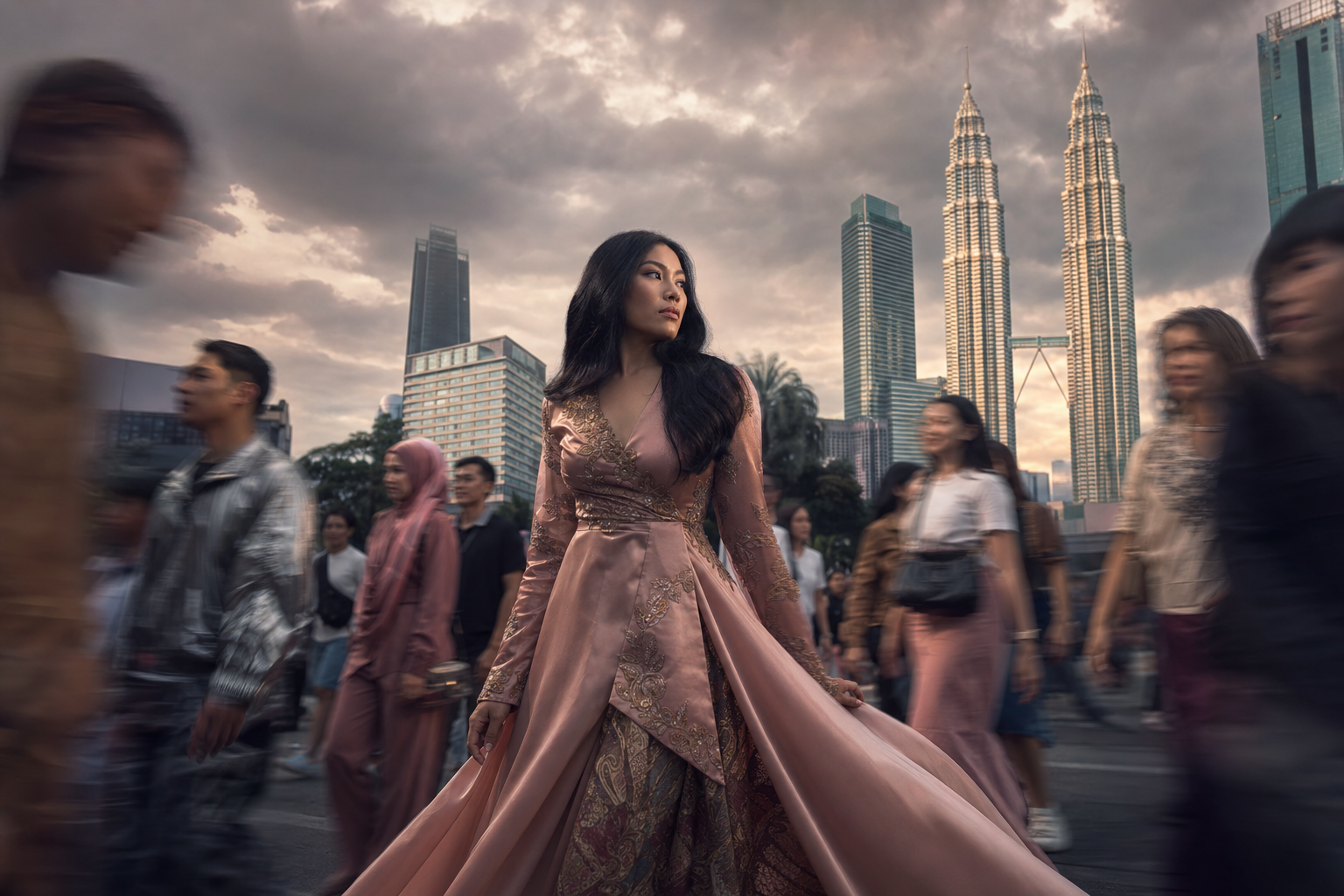
Walk through any mid-tier Malaysian mall on a weekday afternoon and the noise is deafening — neon signs, influencer collabs, flash sale banners screaming for attention. Seed, the homegrown fashion label that has quietly occupied shelf space in the Malaysian retail consciousness for years, seems almost allergically opposed to that kind of spectacle. And yet, the signals this week suggest the brand is more relevant than its understated presence might imply.
With 45 brand mentions logged in the past seven days and sentiment trending positive, Seed is generating conversation — just not in the way most fashion brands would engineer it.
The Durian Moment and What It Signals
The week's most eyebrow-raising market signal came not from Seed the fashion label directly, but from the broader Malaysian creative ecosystem that surrounds it. A local jewellery brand releasing durian charms that open to reveal seeds sparked genuine viral traction — viewers asking for price per kilo in the comments, equal parts amused and genuinely interested. It is a seemingly unrelated data point, but for anyone tracking the mood of Malaysian consumer culture, it reveals something important: local audiences are hungry for products with cultural specificity, sensory storytelling, and a touch of wit.
This is precisely the space Seed the fashion brand has historically occupied — or at least aspired to. The label built its identity on accessible, wearable design with a quiet local sensibility. The question worth asking right now is whether Seed is actively capitalising on a moment when "Malaysian-made with a distinct voice" has never been a more bankable brand position.
Quiet Confidence in a Crowded Room
Seed's positioning has always been something of a paradox in the Malaysian retail landscape. It is not a luxury brand, but it does not compete on price alone. It occupies that increasingly contested middle ground — the thoughtful everyday wardrobe — where international fast-fashion giants and aggressive local e-commerce players are both eating into margins.
What the current positive sentiment suggests, however, is that Seed may be holding its ground more effectively than the noise around it implies. While the broader fashion industry conversation this week was dominated by seed-round funding announcements in adjacent industries — Swsh raising USD 4 million for AI-powered fan content, WaiV Robotics closing USD 7.5 million for drone infrastructure — Seed the fashion label represents a different kind of investment thesis entirely: slow, steady brand equity built on consistent product delivery rather than venture-backed growth sprints.
That distinction matters. In an era where even fintech startup Seedflex is eyeing a Series A after turning its Malaysian operations profitable, the fashion industry's own version of sustainable growth looks less like hockey-stick revenue curves and more like loyal repeat customers who do not need to be re-acquired through paid social every quarter.
The Cultural Timing Problem
Here is where the analysis gets sharper. Malaysian consumer sentiment in 2025 has become increasingly receptive to local brands that wear their identity honestly — not as marketing costume, but as genuine design DNA. The durian charm moment is instructive: it went viral precisely because it was unabashedly, specifically Malaysian without being kitsch. It did not try to be globally palatable. It leaned in.
Seed's challenge — and its opportunity — is whether it can translate that same energy into wearable fashion at scale. The brand has the retail footprint and the brand recognition. What it needs is a sharper cultural edge that gives existing customers something to talk about and new customers a reason to choose it over the algorithmic sea of alternatives on Shopee and Zalora.
The positive sentiment signals this week suggest goodwill is still present. But goodwill is a depreciating asset in fashion. It converts to loyalty only when the product gives people a story to tell.
What the Market Is Actually Saying
Read the week's signals together and a picture emerges: Malaysian consumers are in a discovery mood. They are clicking on local brands, sharing local products, and responding warmly to things that feel specifically rooted in their own cultural context. The durian charm did not go viral because it was jewellery — it went viral because it was recognisably, delightfully ours.
For Seed, that is both a mirror and a challenge. The brand has the heritage, the physical presence, and apparently the current sentiment to leverage this moment. The question is whether its next collection, its next campaign, or its next retail experience will give Malaysian consumers the same reason to share — not just to wear.
In a week where seed rounds are being closed across tech, robotics, and fintech, the most interesting seed story in Malaysia might still be the one quietly growing in fashion — if the label is bold enough to let it bloom loudly.
Related Reading
- The Quiet Storm: Why Anggun's Brand Moment Is Being Drowned Out by the Noise of Politics
- Axiata Is Playing Three Chess Moves at Once — and the Board Is Just Getting Interesting
- TechNave Is Quietly Becoming Malaysia's Most Reliable Consumer Economy Tracker
- The Bunga Effect: What Malaysia's Most-Watched Creator Signals for Brands
Frequently Asked Questions
What is Seed fashion brand and where is it from? Seed is a homegrown Malaysian fashion label known for accessible, wearable design with a quiet local sensibility. It has established a long-standing presence in mid-tier Malaysian malls, distinguishing itself through understated branding rather than loud promotional tactics.
Is Seed a popular fashion brand in Malaysia? Seed has maintained a consistent presence in the Malaysian retail consciousness over the years, recently logging 45 brand mentions in a single week with positive sentiment trending. While not known for flashy marketing, the brand continues to generate organic consumer conversation.
How does Seed differ from other Malaysian fashion brands? Unlike many competitors that rely on influencer collaborations, flash sales, and high-visibility campaigns, Seed takes a notably restrained approach to branding. The label focuses on wearable, quietly designed pieces rather than trend-chasing spectacle.
What kind of aesthetic or style does Seed fashion offer? Seed is built around accessible, everyday wearability with a subtle local Malaysian sensibility. The brand has historically leaned into understated design rather than bold or statement-driven fashion.
Is Seed keeping up with current Malaysian consumer trends? Malaysian consumers are increasingly drawn to products with cultural specificity and local storytelling, a space Seed has historically aspired to occupy. The brand's continued positive sentiment suggests it remains relevant, though the evolving appetite for culturally resonant local design presents both a challenge and an opportunity for the label.