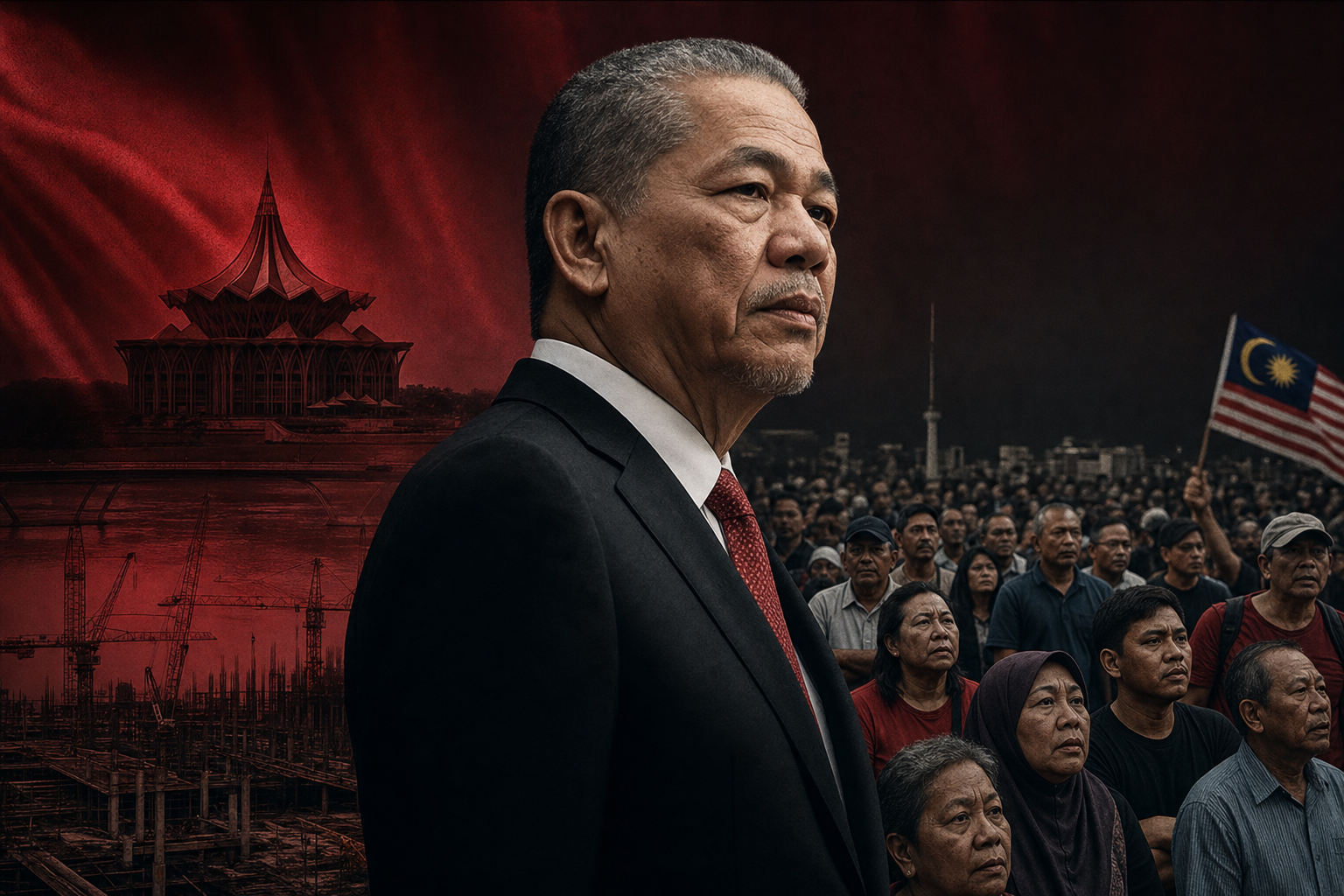
From 20,000 posts removed in 15 days to gaming platform carve-outs — Teo Nie Ching's ministry is setting the compliance tempo for Malaysia's digital economy.
What Teo Nie Ching's Latest Moves Mean for Malaysia's Digital Business Environment
By Priya Menon
Twenty thousand posts pulled down in fifteen days. That number alone tells businesses operating in Malaysia's digital economy exactly what kind of regulatory posture the Communications Ministry has adopted heading into 2026.
As Malaysia's Minister of Digital, Teo Nie Ching has emerged as arguably the most consequential policy figure for the country's technology and media sectors this quarter — not because of her political biography, but because the decisions flowing from her ministry are actively reshaping compliance requirements, platform accountability standards, and the economics of content creation in this country.
The Content Moderation Benchmark Has Shifted
The announcement that 20,000 harmful social media posts were removed in just the first fifteen days of January 2026 is not a minor footnote. For brands, agencies, and platform operators, it signals that Malaysia's content enforcement has moved from reactive to proactive — and the velocity is striking.
For businesses that rely on social media marketing, influencer partnerships, or user-generated content strategies, this enforcement tempo demands an immediate recalibration of compliance protocols. Content that might have survived a slower moderation environment is now being flagged and removed at a pace that can disrupt campaign timelines, affect reach metrics, and expose brands to reputational association risks if their adjacent content is caught in enforcement sweeps.
The practical implication: Malaysian marketing and communications teams can no longer treat social media compliance as a quarterly review item. It is now a live operational function.
The Under-16 Social Media Framework — Bigger Than It Looks
The clarification that Roblox, PlayStation 5, and online gaming platforms fall outside Malaysia's under-16 social media restrictions drew significant attention this week — and rightly so, because the boundary-drawing exercise here has direct commercial consequences.
By carving gaming platforms out of the restriction framework, the ministry has effectively segmented the youth digital economy into two regulatory lanes. Social platforms face age-gating and parental consent requirements. Gaming ecosystems, at least for now, operate under a different standard.
This distinction matters enormously for companies in the gaming, edtech, and youth-targeted digital product space. Businesses that have been hedging their market entry or partnership strategies pending regulatory clarity now have a clearer runway — at least in the gaming vertical. Meanwhile, social media platforms, influencer networks, and digital advertising ecosystems targeting Malaysian youth audiences face a more complex compliance architecture.
The medium-term risk for the latter group is that advertiser spend targeting the under-16 demographic on social platforms becomes structurally more difficult to justify without robust age-verification infrastructure — infrastructure that many Malaysian brands and agencies are not yet equipped to validate.
Misinformation Risk Is Now a Campaign Liability
The warning to Johor voters about doctored DAP campaign posters — issued by Teo Nie Ching during the state election cycle — carries a dimension that extends well beyond electoral politics. It underscores a growing market reality: synthetic and manipulated content is now a material risk for any entity running high-visibility campaigns in Malaysia, political or commercial.
For brands operating in Johor and other states with active electoral cycles, the lesson is operational. Doctored visuals are being deployed strategically, and the reputational damage from falsely attributed content can move faster than any correction. Crisis communications firms and brand protection vendors should be paying close attention — this is a category of service that is about to see rising demand from both corporate and political clients in Malaysia.
Media Council Credibility — And What It Means for the Press Ecosystem
Teo Nie Ching's expression of confidence in former Federal Court judge Nallini Pathmanathan to lead the Malaysia Media Council is a softer signal, but a commercially meaningful one. A council led by a credible judicial figure rather than a politically aligned appointment would, in theory, give the media industry a more predictable regulatory interlocutor.
For media companies, news publishers, and digital content platforms navigating Malaysia's evolving press freedom and licensing landscape, the composition and credibility of the Media Council directly affects operating risk. A council perceived as independent strengthens the case for editorial investment in this market. A compromised one does the opposite.
The market is watching whether the appointment holds — and whether the council, once formed, establishes enforceable and transparent standards rather than becoming another consultative body without teeth.
The Forward View
Across every signal this week, a single theme emerges: the regulatory cost of operating in Malaysia's digital and media landscape is rising, and the grace period for businesses to self-regulate is closing. Teo Nie Ching's ministry is not signaling moderation — it is signaling acceleration.
Businesses that treat these policy moves as background noise do so at their own commercial risk. Those who read them as market intelligence will be better positioned to navigate what is shaping up to be a structurally more regulated — but potentially more professionally credible — digital economy in Malaysia.
The question for industry is not whether to adapt. It is how fast.
Priya Menon covers digital policy, media markets, and the business of technology for this publication.
Related Reading
- Bersatu vs PAS, Anwar in Kazan: Malaysia's Politics Is Splitting in Real Time
- Malaysia's Political Week: Divorce, Distraction, and What's Actually at Stake
- Malaysia's Political Noise Is Getting Louder While the Economy Quietly Moves On
- Politik dan Ekonomi Malaysia: Dua Dunia, Satu Pertaruhan
Frequently Asked Questions
Who is Teo Nie Ching and what is her role in Malaysia? Teo Nie Ching is Malaysia's Minister of Digital, overseeing the country's Communications Ministry and its digital policy decisions. She has become one of the most influential policy figures in Malaysia's technology and media sectors, particularly heading into 2026.
What did Malaysia's Communications Ministry do about harmful social media posts in January 2026? Malaysia's Communications Ministry removed 20,000 harmful social media posts in just the first fifteen days of January 2026. This signals a shift from reactive to proactive content enforcement at a striking pace.
How does Malaysia's new content moderation approach affect businesses and brands? Businesses relying on social media marketing, influencer partnerships, or user-generated content strategies now face a faster and stricter enforcement environment in Malaysia. Brands may experience disrupted campaign timelines, affected reach metrics, and potential reputational risks if their content is flagged under the new standards.
What compliance changes should businesses in Malaysia prepare for under Teo Nie Ching's ministry? Businesses operating in Malaysia's digital economy are being urged to immediately recalibrate their compliance protocols in response to the new enforcement tempo. Content that may have survived a slower moderation environment is now being removed quickly, requiring stricter internal content review processes.
What does Malaysia's digital policy direction under Teo Nie Ching mean for platform operators? Platform operators in Malaysia are facing shifting accountability standards and new compliance requirements under the Communications Ministry's current posture. The rapid pace of content removal suggests that platform accountability is being enforced more aggressively than in previous periods.