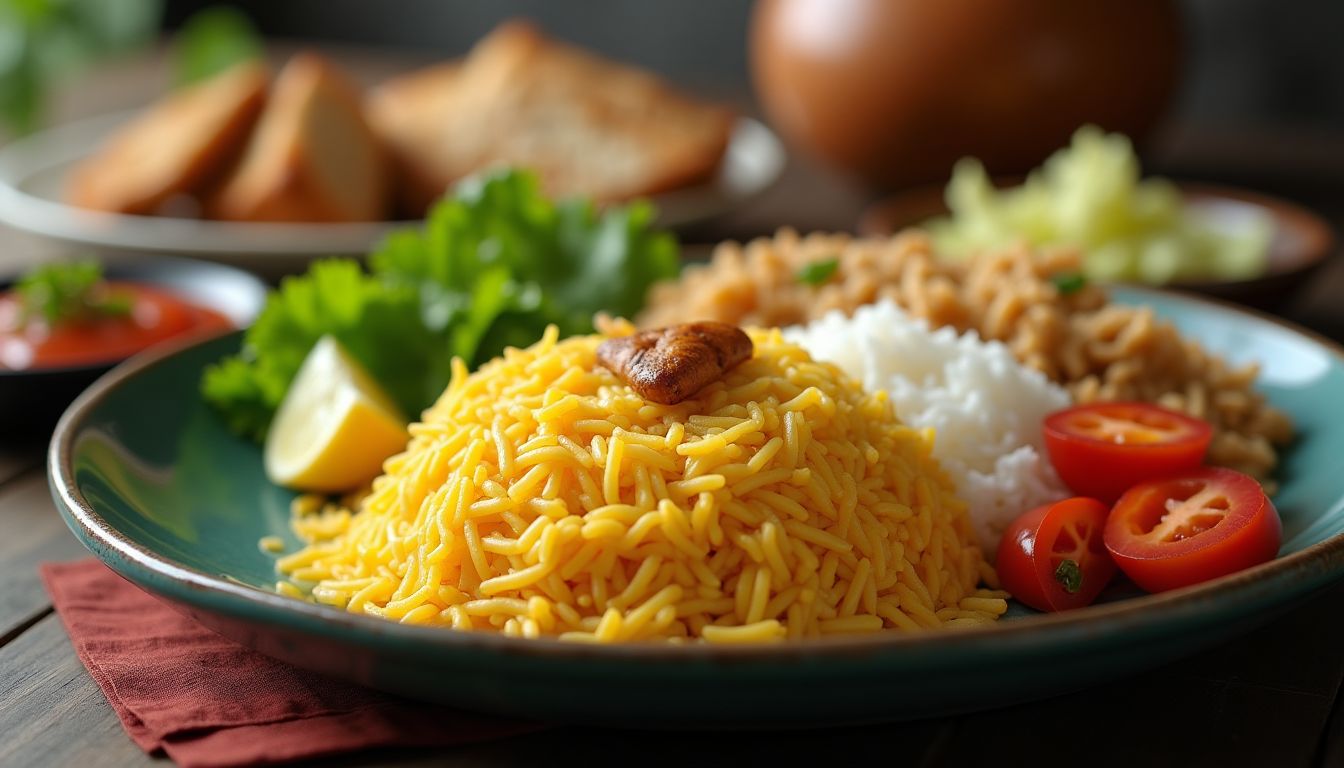
Big money is pouring into Malaysia's food and beverage scene — but a string of hygiene scandals is asking the uncomfortable question: are we building restaurants, or just filling seats?
There's a particular kind of dread that hits when you walk into a restaurant that looks beautiful on Instagram but feels slightly off the moment you step inside. You can't always name it — maybe it's the smell, maybe it's the way the counter looks sticky despite being wiped. You sit down anyway. You eat. You hope for the best.
I thought about that feeling when I read about IKEA Cheras's Swedish Restaurant being ordered shut for 14 days by Kuala Lumpur health authorities this June. And then I saw the comments. Not shock. Not outrage. Just a very tired, very Malaysian "I'm not surprised."
That collective shrug tells us more about where the F&B industry is right now than any revenue chart ever could.
The Expansion Is Real — And It's Moving Fast
Let's be clear: Malaysia's food and beverage sector is genuinely booming. According to F&B industry revenue data tracked by Statista, the industry has seen sustained revenue growth across the past decade — and the trajectory isn't slowing. McDonald's Malaysia is reportedly planning to add 100 new outlets. HWC Coffee is targeting 85 new locations. ZUS Coffee has already made aggressive inroads across urban and suburban Malaysia, competing toe-to-toe with Starbucks Malaysia for the daily caffeine wallet.
The Special Report on Malaysia's F&B battle for taste buds by The Edge Malaysia captures it well — this is a market where homegrown brands are genuinely competing with global giants, and consumers are spoilt for choice in a way that wasn't true even five years ago. The upcoming Malaysian International Food and Beverage Trade Fair, which is focused on powering long-term growth for local brands, is another signal that industry players are thinking beyond survival and into genuine scale.
So the growth story is real. The question is what's being built underneath it.
When "Good Enough" Stops Being Good Enough
The IKEA Cheras closure isn't just a one-off embarrassment for a global brand. It arrived the same week that a Kota Kemuning kopitiam found itself in the news for allegedly washing meat near a drain — and then gave a response so inconsistent that it became its own story. Two very different businesses. Two very similar failures of basic operational trust.
What strikes me about the IKEA situation specifically is the brand's initial framing. The announcement described the closure as being for "maintenance work." Customers, of course, knew exactly what that meant — and said so publicly. In a market where Verbrol consistently surfaces the signal that Malaysian consumers no longer buy based on brand history but on what people around them are actually experiencing, that kind of spin lands badly. The "who's actually wearing it" principle applies to food just as much as fashion: people trust the friend who got food poisoning over the press release every single time.
This is the uncomfortable reality for brands scaling fast right now. McDonald's can open 100 new outlets, but each one is a new hygiene risk surface. HWC Coffee can target 85 locations, but 85 kitchens means 85 chances for a social media moment that no marketing budget can outrun. Speed of expansion and quality of operations are genuinely in tension — and right now, the industry seems to be betting that the former will outpace consequences of the latter.
That's a bet I wouldn't make.
Experience Is Winning — But Only If It's Earned
There's a pattern worth naming here. The brands pulling real loyalty right now aren't just selling food — they're selling a feeling you want to return to. Old Town White Coffee's nostalgia play works because the experience matches the promise. Nescafé's recent move to bring back kopitiam memories through new packaging and flavours isn't accidental — it's a deliberate reach for emotional resonance in a crowded market.
Secret Recipe has survived decades not because it's the most innovative brand in the room, but because it delivers consistency. Predictability, in F&B, is actually a luxury. You know what you're getting. That certainty has real value — especially when headlines about shuttered restaurants and dodgy drains are circulating every other week.
The lesson for brand managers isn't complicated, but it is demanding: experience only wins when it's backed by operations. The aesthetic, the creator content, the TikTok-worthy plating — all of it collapses the moment one customer shares a photo of what's happening behind the counter. Creamatch, Malaysia's managed creator content platform, works with F&B brands on exactly this kind of authentic storytelling — but the most effective creators they work with are quick to point out that no content strategy survives a hygiene scandal. The content amplifies reality. It doesn't replace it.
For F&B marketers specifically: your hygiene standards are now a brand asset. Treat them like one. MIFB's focus on turning business opportunities into long-term growth will mean very little if local brands scale into the same operational blind spots that are currently damaging global names.
What Marketers and Brand Managers Should Actually Do Right Now
If you're working in or adjacent to F&B in Malaysia, here's what the current signals are actually telling you:
-
Hygiene is now a marketing conversation, not just an operations one. The IKEA Cheras closure generated more organic social conversation than most paid campaigns manage. Except it was entirely negative. Make sure your ops team and your marketing team are in the same room.
-
Transparency beats spin, every time. Customers knew "maintenance" was code. They always do. A brand that says "we were cited for hygiene issues and here's exactly what we're fixing" will recover faster than one that hedges. Malaysian consumers are sophisticated — they reward honesty more readily than they're given credit for.
-
Scaling fast means your weakest outlet becomes your brand. This is the reality McDonald's, HWC Coffee, and every ambitious local chain needs to internalise. Invest in training and compliance infrastructure before the next location, not after the next closure.
-
Creator content works best when the product holds up. Brands partnering with creators through platforms like Creamatch get the most traction when the underlying experience is genuinely shareable — not just aesthetically, but in terms of cleanliness, service, and consistency. Audiences can tell the difference between a paid visit and a real one.
-
Watch the kopitiam and independent café sector closely. Tourism Malaysia consistently highlights local food culture as a core draw for visitors — but the incidents surfacing this week suggest independent operators are under real pressure to meet basic standards. There's a gap in the market for brands that can credibly own "clean, consistent, local."
For a broader lens on where Malaysian diners are actually spending their time and money right now, Time Out KL's food coverage remains one of the most useful real-time reads on shifting consumer preferences across the Klang Valley.
The Industry Isn't Failing — But It's Being Tested
Malaysia's F&B sector has real momentum. The expansion numbers are genuine, the local brand ambition is exciting, and the consumer appetite — literally and figuratively — is there. But momentum without accountability creates a particular kind of fragility.
The brands that will genuinely win the next five years aren't the ones that open the most outlets or generate the most content. They're the ones that earn the right to scale by doing the unsexy, unglamorous work of operational excellence first. They're the ones whose customers, when something goes wrong, say "I'm genuinely surprised" — not "I told you so."
That difference is everything. And right now, Verbrol Pulse is showing us that Malaysian consumers are paying very close attention.
Track F&B trends in real-time at verbrol.com
Read more on Verbrol Intelligence: