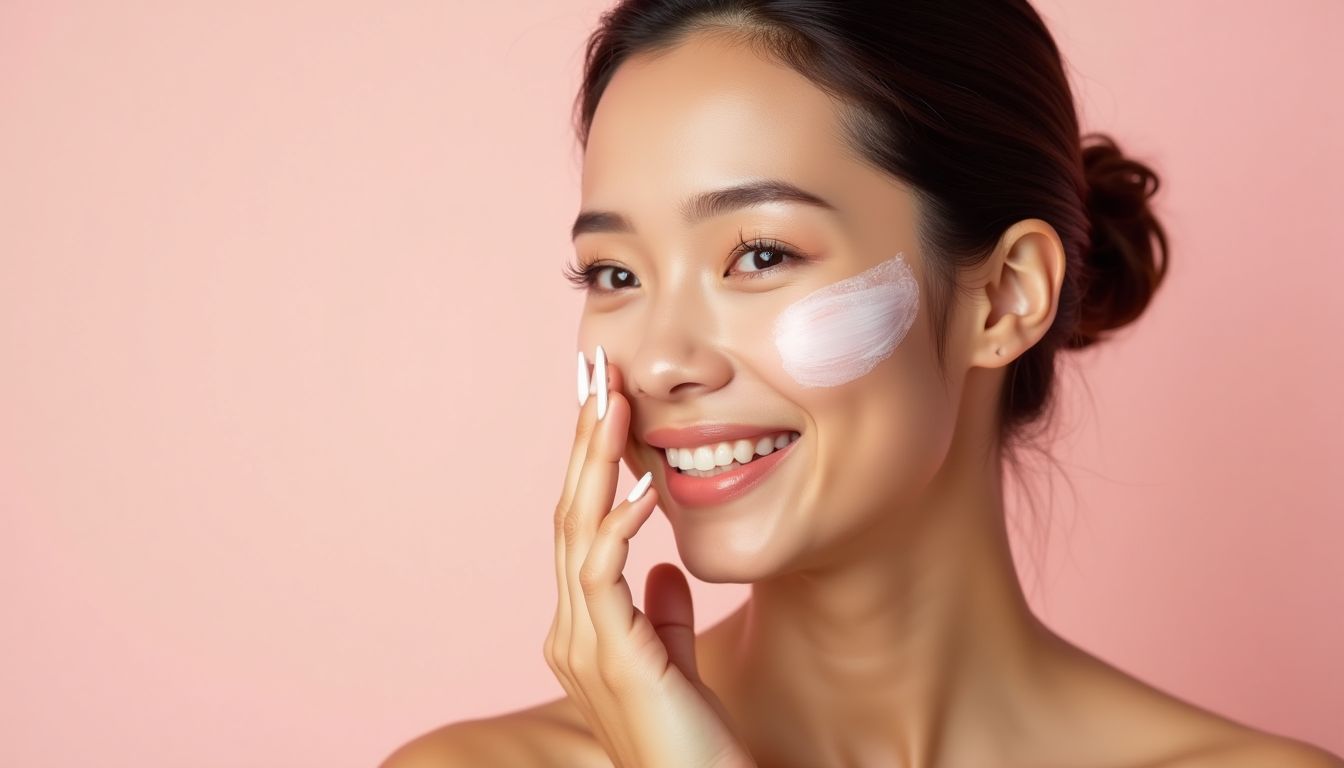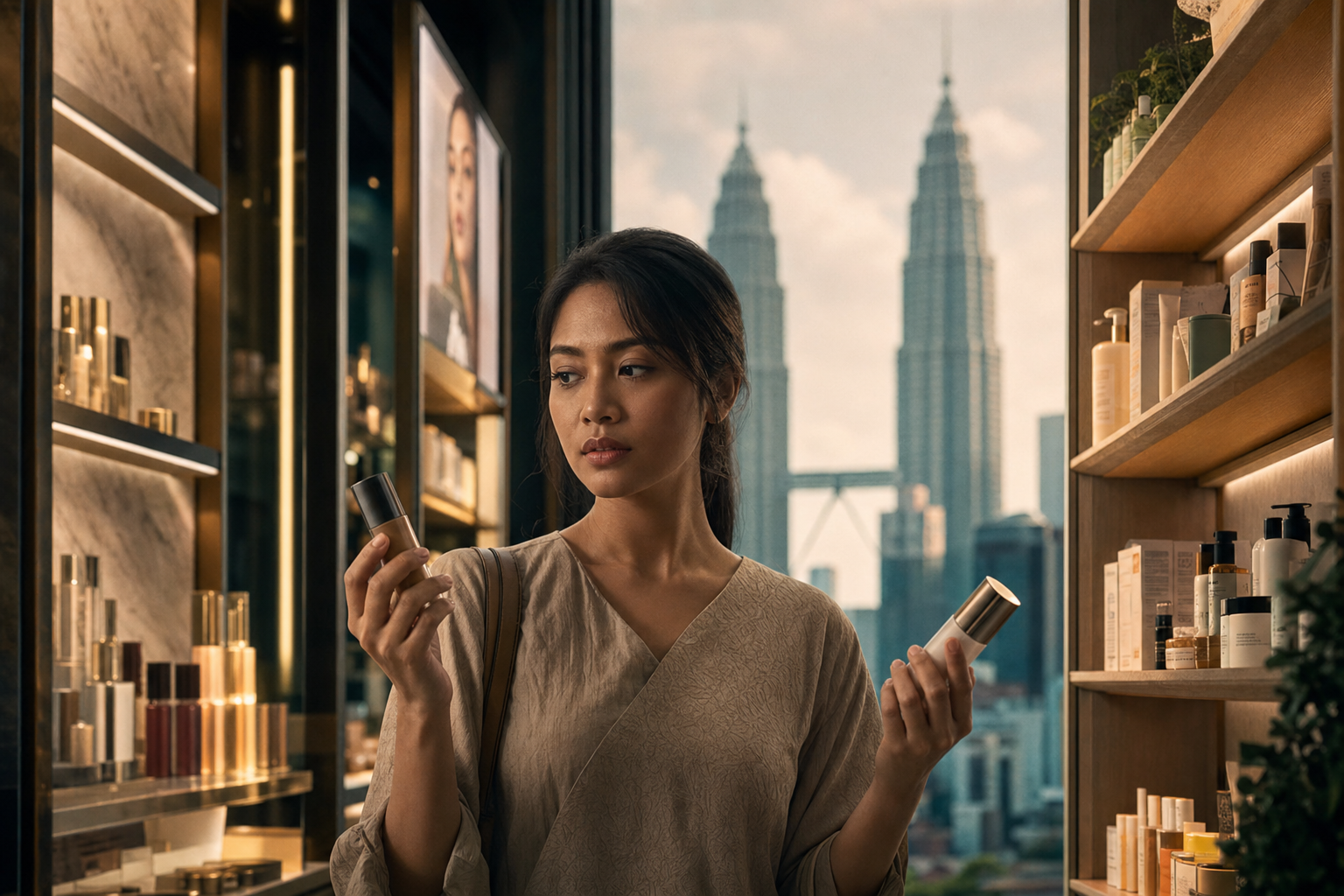
Malaysia's beauty shelves — physical and digital — are under more scrutiny than ever, while global and local brands alike are racing to plant their flags. The brands that read the room correctly will pull ahead; the ones that don't are already losing ground.
The Market Is Growing. So Is the Noise.
If you manage a beauty brand in Malaysia and your strategy still hinges on shelf placement alone, you are operating a decade behind the conversation. The Malaysian beauty market in mid-2026 is not simply "growing" — it is fragmenting, accelerating, and in some pockets, becoming a liability minefield, all at the same time.
Consumer trust is the raw material that every beauty brand here runs on. Right now, that trust is under pressure from multiple directions: regulatory enforcement gaps, an explosion of creator-driven purchase decisions, and an increasingly sophisticated shopper who can compare ingredient lists and spot a red flag faster than your compliance team can file a report.
Understanding where the genuine opportunity sits — and where the risk is being underpriced — is the only briefing that matters this quarter.
The Safety Signal That Brands Cannot Ignore
Let's start with the uncomfortable story. A report from NST Online flagged by Threads users this week highlighted 40 women raising the alarm over a banned skincare product still being actively sold in the market. Not recalled quietly. Actively sold.
For brand managers, this is not just a competitor problem. It is a category-level trust problem. When consumers — especially the vocal, well-networked beauty community on TikTok and Instagram — start questioning whether what they are buying is actually safe, the suspicion does not stay contained to the offending product. It bleeds onto shelves, onto platforms, onto every SKU that looks remotely similar.
According to Bernama, the National Pharmaceutical Regulatory Agency has intensified enforcement on cosmetic products containing prohibited substances, but enforcement timelines remain a structural gap that bad actors exploit. For legitimate brands, the playbook response is not silence — it is proactive transparency. Brands like Safi and Sendayu Tinggi, which have long leaned into halal certification and ingredient traceability as core brand pillars, are structurally better positioned to weather this kind of category-wide suspicion than brands that treat compliance as a back-office function.
Retailers feel this too. Guardian Malaysia was recently recognised as a leader in health, beauty and wellness retailing at the Retail Asia Awards 2026, partly on the strength of its loyalty programme and digital transformation. That recognition carries an implicit message for brand partners: retailers with tight curation standards will increasingly function as a trust signal themselves. Getting stocked at Guardian Malaysia or Watsons Malaysia is no longer just a distribution win — it is a credibility marker that consumers are beginning to read consciously.
TikTok Shop, K-Beauty, and the Battle for Attention
On the growth side of the ledger, two forces are reshaping how beauty products get discovered and converted in Malaysia right now.
First: TikTok Shop is no longer an experiment. YSL Beauty's launch of its Malaysia TikTok Shop, marked with a Bukit Bintang kopitiam takeover, is a signal that luxury beauty has made its peace with social commerce. The kopitiam activation was smart local contextualisation — it says we understand where Malaysians gather and what they find relatable, not just we have a regional budget to spend.
For mid-tier and indie brands watching this, the lesson is not to replicate the luxury playbook. It is to take the underlying logic seriously: purchase discovery for beauty in Malaysia now happens overwhelmingly in short-form video, and the brands winning there are the ones investing in sustained creator relationships rather than one-off sponsored posts.
This is where platforms like Creamatch — Malaysia's managed creator content platform — become genuinely strategic rather than optional. Matching the right beauty creator to the right product brief, at scale and with proper brand safety guardrails, is the operational challenge that most in-house teams are not resourced to manage alone.
Second: K-beauty is not slowing down. HaruHaru Wonder's expansion into wider retail channels reflects a broader pattern: science-backed, ingredient-transparent formulations are commanding consumer confidence in Malaysia at a rate that local brands need to take seriously. The K-beauty playbook of leading with clinical evidence, not aspirational imagery, has reset Malaysian consumer expectations around what a skincare brand needs to prove before a purchase happens.
Local brands like SimplySiti and Velvet Vanity are navigating this by doubling down on their cultural specificity — skin concerns common in tropical, humid climates, formulations suited to Malaysian complexions — which is a defensible position that a Seoul-based lab cannot easily replicate.
Local Brands Are Scaling Up — With Real Ambition
One story that deserves more attention than it is getting: Bartech Beautee has signalled plans to penetrate the wider Asian market, according to reporting in the local trade press. For a domestic beauty brand to target regional expansion in this environment — navigating regulatory variance across ASEAN, competing with entrenched Korean and Japanese players, and managing supply chain complexity — that is not a casual announcement. It is a bet that Malaysian-origin beauty formulations can carry brand equity across borders.
This is the part of the story that deserves more strategic discussion in the industry. The market conditions that make Malaysia's beauty sector interesting — a digitally active consumer base, halal-certified supply chain infrastructure, multicultural skin tone diversity — are also exportable positioning assets for Malaysian brands going outward.
CosmoBeauté Malaysia & BeautyExpo 2026 returning to KLCC to drive B2B excellence is another marker of the industry's institutional confidence. These trade events are where supply chain relationships, white-label conversations, and cross-border distribution deals actually get structured — the unglamorous back-end that determines which brands achieve scale and which stay boutique.
What This Means for Your Strategy This Quarter
The Malaysian beauty market in June 2026 rewards brands that can hold two things simultaneously: operational rigour and cultural fluency.
Operational rigour means compliance is a marketing function, not just a legal one. It means your product claims are defensible under scrutiny, your retail partners' standards are ones you can meet consistently, and your creator partnerships are managed with the same care you give your formulation quality — platforms like Creamatch exist precisely to give beauty brands that managed layer.
Cultural fluency means understanding that a Malaysian beauty consumer in 2026 is simultaneously comparing your product to a Korean sheet mask on TikTok, checking if it's MeSTI-certified, and deciding whether the content creator recommending it is someone whose skin actually looks like hers. That is a sophisticated, multi-layered decision — and it is made in seconds.
Three things worth actioning now:
- Audit your retail partner mix. If your brand is present in channels that have compliance gaps, you inherit the reputational risk. The 40-women alarm story is a preview of what consumer-led accountability looks like at scale.
- Invest in creator content that runs for weeks, not days. A single campaign spike does not build the brand memory that drives repurchase. Sustained, managed creator programmes compound. Track what is resonating using tools like Verbrol Pulse before committing budget.
- Position your unique Malaysian-market advantage explicitly. Whether it is halal formulation, tropical climate efficacy, or multicultural shade range — name it, prove it, and repeat it. In a market filling up with imported brands, specificity is a moat.
The brands that treat safety, storytelling, and scale as separate departments will keep losing ground to the ones that have figured out those three things are actually the same brief.
Track Beauty trends in real-time at verbrol.com
Read more on Verbrol Intelligence: