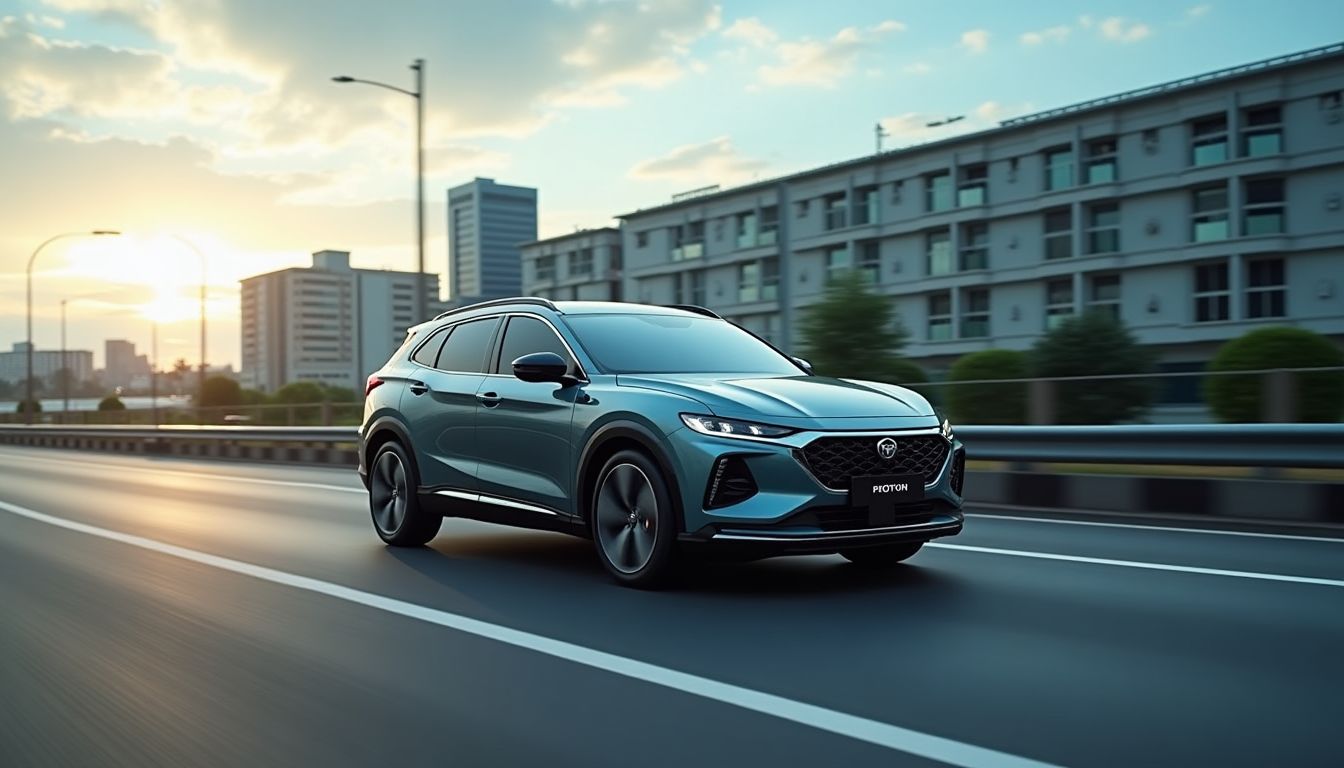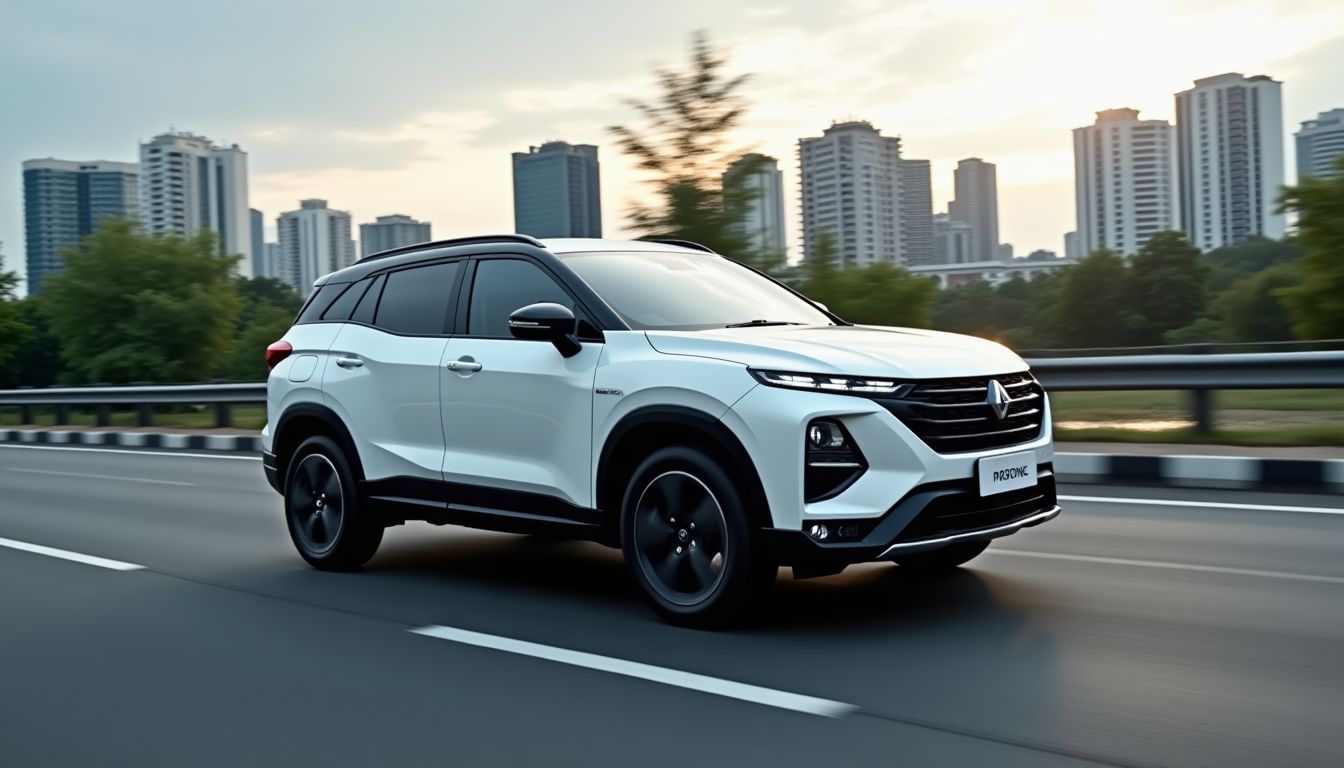
Perodua is cutting battery costs and localising hybrid lines — while imported EVs are about to breach RM300,000. Big money is moving in opposite directions at once, and the brands that read this bifurcation correctly will own the next five years.
Walk into any Malaysian coffee shop and the conversation about cars has a very specific texture. Someone's uncle just bought a Perodua Ativa. Someone else is waiting six months for a locally assembled sedan. And someone at the far end of the table is quietly asking whether that new Chinese EV at the mall is actually worth it. Malaysians do not buy cars the way purchasing models predict — they buy on trust, on monthly instalment psychology, and on what their immediate social circle validates. That cultural reality is now colliding with a structural break in the supply chain, and the collision is reshaping every layer of this industry.
The May Dip Is a Signal, Not a Stumble
On the surface, May 2026 looked rough. The automotive industry's Total Industry Volume fell 15% to 61,250 units in May, a contraction that alarmed headline writers. But read the full year — Malaysia's automotive sector remains in high gear despite the May setback — and the year-to-date volumes remain structurally healthy. A single-month dip driven by registration timing and festive-cycle effects does not constitute a demand collapse. Supply chain professionals know this pattern well: lagged registration data almost always overstates short-term weakness when production scheduling runs through school holiday windows.
The more important question is not how many units moved in May, but which units, at what price tier, and who built them. That answer points directly to the bifurcation underway.
Perodua Is Building a Different Kind of Moat
Two moves from Perodua this week deserve far more analytical attention than they have received. First, Perodua has announced plans to localise Ativa Hybrid production, a strategic commitment that signals the company is not treating electrification as an import play — it is threading hybrid capability into its domestic manufacturing base. Localisation of powertrain-adjacent components is operationally complex; it requires supplier ecosystem development, quality certification cycles, and retooling investment that takes 18 to 36 months to fully mature. The decision to begin that process now is a long-range supply chain bet.
Second — and this is the detail that directly affects how Malaysians decide to buy — Perodua has cut its QV-E monthly battery subscription cost to RM215. This is not a cosmetic discount. In Malaysia's instalment-driven car purchase culture, monthly cost is the primary decision variable for the B40 and M40 segments. RM215 a month for a battery subscription sits inside the psychological threshold where a buyer can mentally bracket it alongside their broadband or streaming bill. Perodua understands the Malaysian consumer's mental accounting better than almost any OEM operating in this market, and this pricing architecture reflects that understanding precisely.
For brand managers and marketers: Perodua is not competing on specification sheets. It is competing on affordability architecture, and the Verbrol Pulse signals tracking this space confirm that consumer-facing cost communication — not technical EV range data — is generating the highest engagement in automotive content right now.
The RM300,000 Wall and What It Means for Imported EVs
At the opposite end of the market, the calculus is inverted. Fully imported electric vehicles are expected to cross RM300,000 in showroom pricing from July 1, 2026, as updated duty and tax structures take effect. This is not a rumour — it is a regulatory outcome that has been telegraphed through industry channels for several months. The brands most exposed are those operating purely as CBU importers without assembly or localisation commitments in Malaysia.
This creates an acute strategic pressure point. Brands that have treated Malaysia as a high-margin import market for premium EVs will face a compression between their aspirational positioning and a price ceiling that the Malaysian premium consumer — even the genuinely affluent one — regards with scepticism. A RM300,000-plus EV in Malaysia competes not just against other EVs; it competes against the full weight of consumer judgment about what a car should cost in this country.
The Edge Malaysia's cover analysis on the shifting tone in automotive sector identifies this tension clearly: the industry needs to balance policy ambition with market reality. For supply chain strategists, the takeaway is structural — brands without a localisation pathway in Malaysia will face compounding cost disadvantage as the regulatory environment tightens further.
Chery and the Infrastructure Bet That Changes the Ecosystem
The third thread that ties this picture together is infrastructure investment. Chery Malaysia has topped out its RM2.2 billion Smart Auto Industrial Park, a commitment that sets a benchmark for how seriously Chinese OEMs are treating Malaysia as a long-term manufacturing base rather than a distribution corridor. A RM2.2 billion industrial park is not a hedging play. It is a declaration of permanence.
This matters for the entire supplier and component ecosystem. When an OEM builds at that scale, it pulls tier-1 and tier-2 suppliers toward co-location, creates technical training demand, and establishes quality benchmarks that ripple across the industry. Proton, which already operates within a partially shared Geely technology ecosystem, and Perodua, which is deepening its own localisation commitments, will both feel the competitive and collaborative pressures of Chery's expanded manufacturing footprint.
For marketers and brand managers working with automotive clients, this infrastructure build is a content and credibility signal. Chery's long-term investment gives its Malaysia narrative a legitimacy that pure import brands structurally cannot replicate — and that legitimacy translates into consumer trust in ways that advertising spend alone cannot manufacture. If your client is in this space and needs content that connects an industrial story to a consumer audience, platforms like Creamatch — Malaysia's managed creator content platform — offer a structured way to translate complex supply chain credibility into formats that Malaysian consumers actually engage with.
What Brand Managers and Strategists Should Do Now
The bifurcation is not going to reverse. If anything, it will sharpen as the July 2026 import duty changes move from anticipation to reality. Here are three operational priorities:
- Map your brand's position in the cost architecture. If you are above RM300K and fully CBU, you need a localisation roadmap or a repositioning rationale — not a communications campaign.
- Shift EV messaging from specification to monthly cost. Perodua's RM215 battery move is a masterclass in framing. Total cost of ownership arguments work for fleet buyers; monthly instalment psychology works for Malaysian households.
- Treat infrastructure investment as earned media. Chery's RM2.2B park, Perodua's hybrid localisation announcement — these are not just corporate news. They are trust signals that, when translated correctly through creator and editorial channels, build durable brand equity at scale.
According to The Star's ongoing automotive coverage, the industry's underlying demand fundamentals remain intact despite the May volume softness. The brands that will emerge strongest from this period are those that read the structural shift correctly — not those that optimise for the next quarter's TIV number.
The Malaysian auto industry is not in crisis. It is in selection. And the selection criteria are changing faster than most marketing calendars can track. Monitor the signals through Verbrol and position your brand on the right side of the split before the July regulatory trigger locks in the new pricing reality.
Track Auto trends in real-time at verbrol.com
Read more on Verbrol Intelligence: