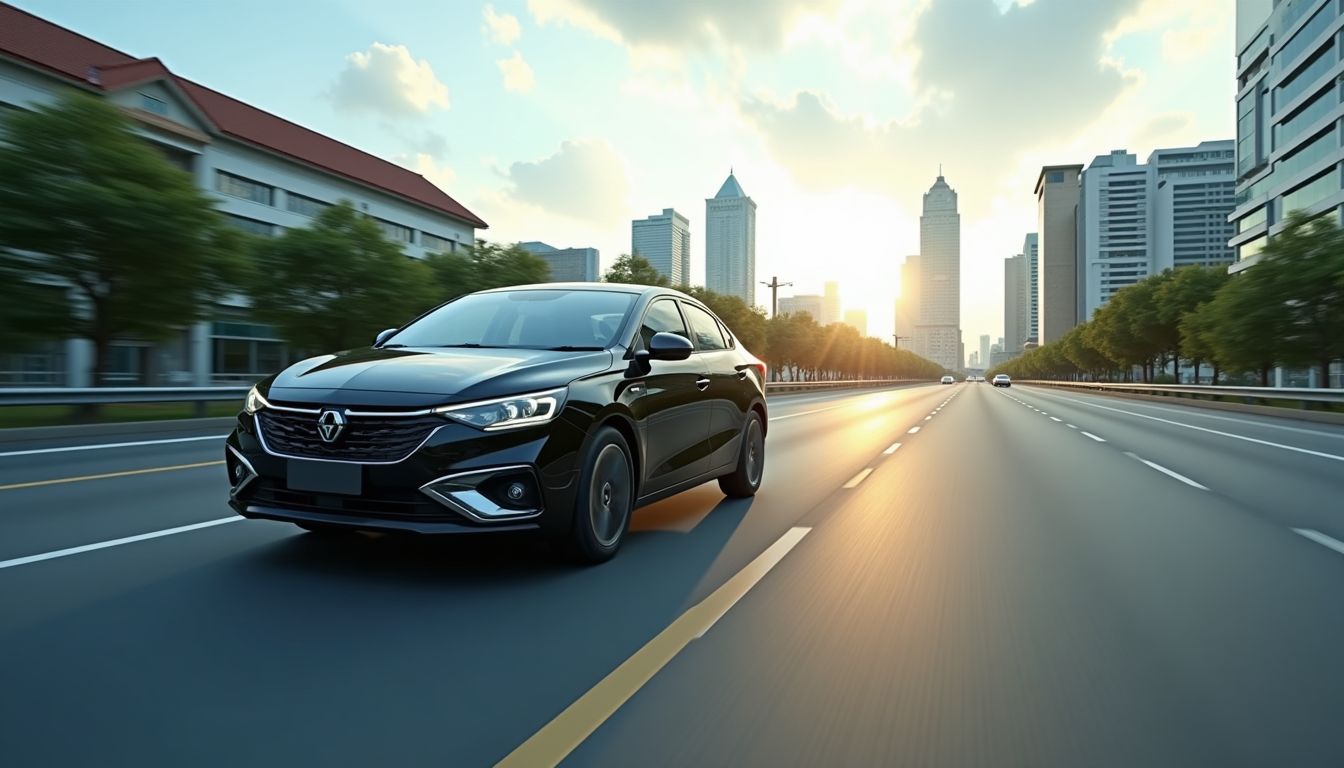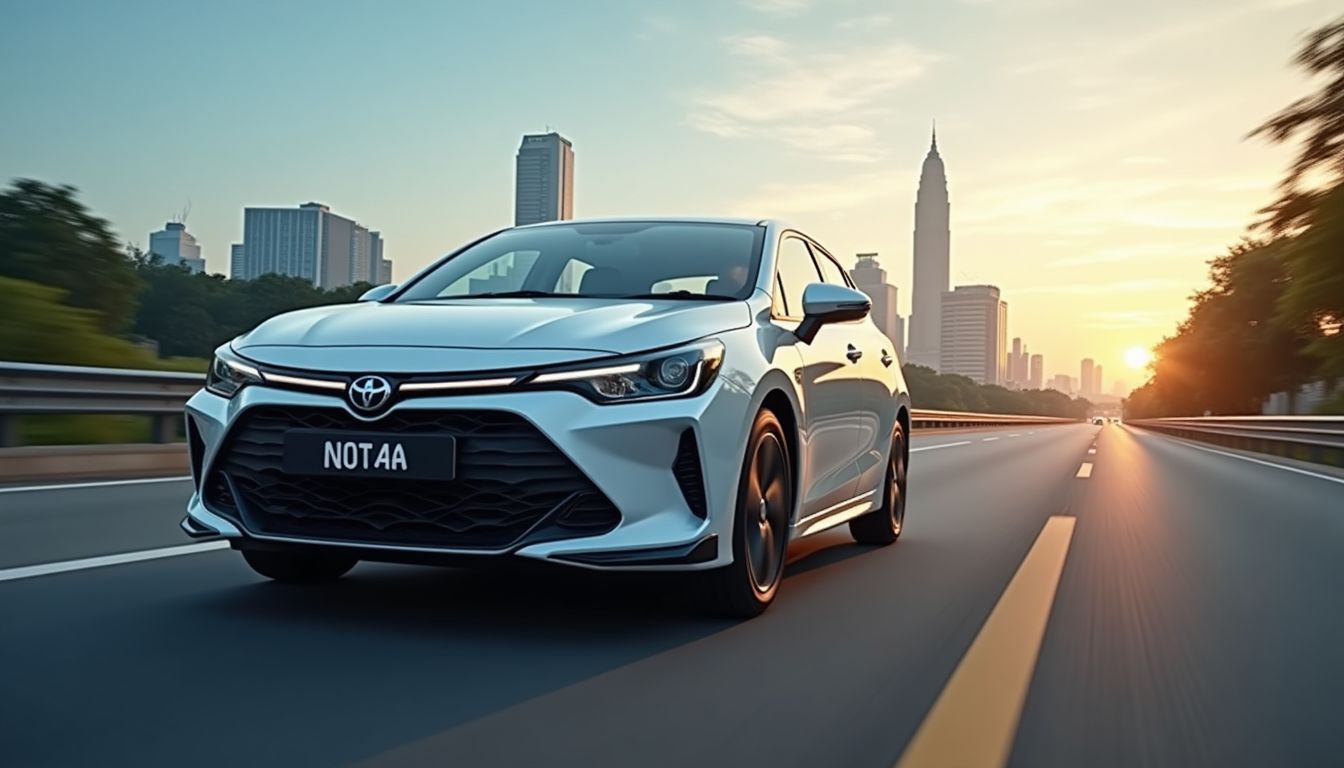
Proton has posted its strongest numbers in years — but behind the sales figures lies a deliberate industrial pivot that every stakeholder in Malaysia's automotive chain should understand.
On a weekday morning at Proton's Tanjung Malim assembly plant, the production line is not quiet. Shift schedules have been extended. The 1.5T i-GT four-cylinder engine — the same unit now powering both the refreshed X50 and the re-engineered X90 — moves through stations with the cadence of a facility running at meaningful utilisation. This is not the Proton of 2018. The numbers confirm it, but the story begins on the shop floor.
A 40.9% Sales Surge That Demands a Structural Reading
Proton's 2026 performance is not a promotional event. The brand has captured 26.4% of the Malaysian passenger vehicle market, posting a 40.9% year-on-year increase in total sales — figures reported by Yahoo News Malaysia and confirmed through multiple trade publications. That is a structural shift in competitive positioning, not a seasonal spike.
For context: Proton sold 13,451 units in November alone, reaching 143,000 units year-to-date by that month. By the first five months of 2026, the brand had already recorded a 38% sales rise, according to The Star. The Proton Saga MC3 has exceeded 70,000 bookings — a volume figure that strains supplier scheduling and tests logistics networks in ways that marketing departments do not plan for.
This is a manufacturing and demand-management problem as much as it is a commercial success. Capacity planning, component localisation ratios, and supplier lead times are now the operative variables. Brand managers who read this only as a marketing win are reading the wrong document.
The Engine Decision: What the Powertrain Consolidation Tells You
One of the most operationally significant decisions embedded in Proton's 2026 model cycle is powertrain consolidation. Both the X50 facelift — now entering Brunei as its first export market — and the 2026 X90 mid-cycle refresh run on the same 1.5T i-GT four-cylinder unit paired to a 7-speed DCT.
The X90 is particularly instructive. Proton removed the 48V mild-hybrid system from the previous specification and simultaneously cut the entry price by RM30,000, bringing it from above RM130,000 to an opening of RM99,800. This is not a cost-cutting retreat — it is a deliberate repositioning of a product that was overpriced relative to its perceived technology content. Rationalising the hybrid stack while improving core combustion efficiency reflects supplier negotiation discipline and a clearer reading of what the Malaysian buyer in the RM100–120k segment actually values.
The e.MAS 7 PHEV, meanwhile, operates as the technology credibility vehicle. It has accumulated 6,500 bookings within two months of launch — a signal, reported by Zigwheels, that electrified drivetrains are no longer speculative in the Malaysian market. The NST has described it as a potential game changer for the industry. Whether that claim holds depends on how quickly Proton scales charging infrastructure partnerships — a logistics question, not a brand question.
Export Architecture: The Brunei and Trinidad Moves
Proton has established a dedicated export company to govern its overseas expansion — a structural decision that separates international sales operations from domestic retail management. This matters because export markets impose different compliance, after-sales, and homologation burdens than the home market.
The X50 facelift entering Brunei is the first test of that infrastructure at the product level. Trinidad and Tobago represents a second, geographically distinct export corridor — a Caribbean right-hand-drive market with its own regulatory environment and consumer expectations. These are not prestige export plays. They are proof-of-process exercises: can Proton deliver consistent build quality, parts availability, and dealer capability across markets it does not control?
For Malaysian suppliers — stamping houses, trim manufacturers, electrical harness assemblers — export volume growth is a direct capacity and scheduling concern. The Edge Malaysia's analysis of the sector has consistently flagged that the upstream supply chain must grow alongside OEM ambition — a point reinforced by the government's call for the auto sector to move up the value chain, as articulated by Deputy MITI Minister Hasbi.
Policy Horizon: Level 3 Autonomy by 2030 and What It Demands Now
The Deputy MITI Minister's statement targeting Level 3 autonomous driving capability by 2030 is the policy signal that most OEM planning cycles should already be absorbing. Level 3 autonomy — conditional automation, where the vehicle manages dynamic driving tasks under defined conditions — requires sensor fusion hardware, OTA software update capability, regulatory type-approval frameworks, and insurance liability structures that Malaysia does not yet fully have in place.
For brands like Proton and Perodua, which operate at volume price points, the engineering investment to integrate Level 3 hardware without pricing out the core customer base is a significant constraint. For Toyota Malaysia and Honda Malaysia, which have global technology pipelines to draw from, the 2030 target is more achievable — but localisation of after-sales capability for advanced driver assistance systems remains a real gap.
The Malaysian automotive sector's value chain discussion, as covered by The Sun Malaysia, points in exactly this direction: component manufacturers need to be developing ADAS-adjacent capabilities now, not when OEM sourcing decisions have already been made.
Brands and agencies tracking consumer-facing signals alongside this industrial backdrop can access category-level intelligence through Verbrol Pulse — particularly useful when cross-referencing campaign timing against product launch cycles in a market moving this quickly.
Actionable Takeaways for Industry Stakeholders
- Suppliers: Proton's powertrain consolidation around the 1.5T i-GT creates concentrated sourcing dependency. Diversification planning and capacity buffers are prudent.
- Marketers: The e.MAS 7 PHEV booking rate demonstrates that electrification messaging is no longer niche. PHEV positioning — range confidence, fuel cost efficiency — should be foregrounded in campaigns targeting the RM120–160k segment.
- Agencies: Product cycles are compressing. The X90 mid-cycle refresh came faster than typical industry cadence. Content production and media planning timelines need to shorten accordingly. Platforms like Creamatch, Malaysia's managed creator content platform, offer faster deployment of authentic product narratives than traditional production pipelines.
- Planners: The 2030 autonomy target creates a six-year window. Stakeholders who begin building technical literacy, regulatory engagement, and consumer education frameworks now will not be scrambling in 2028.
Conclusion
Proton's 2026 performance is the visible output of decisions made at the engineering, supplier, and strategic levels over the preceding three to four years. The sales figures are real — but reading them without understanding the powertrain rationalisation, the export infrastructure build, and the policy framework they operate within is an incomplete analysis.
Malaysia's automotive sector is in a transition that rewards structural reading over trend-chasing. The brands and organisations that understand the manufacturing logic underneath the market share numbers will make better decisions — in product, in supply chain, and in go-to-market strategy.
Track Auto trends in real-time at verbrol.com.
Read more on Verbrol Intelligence: