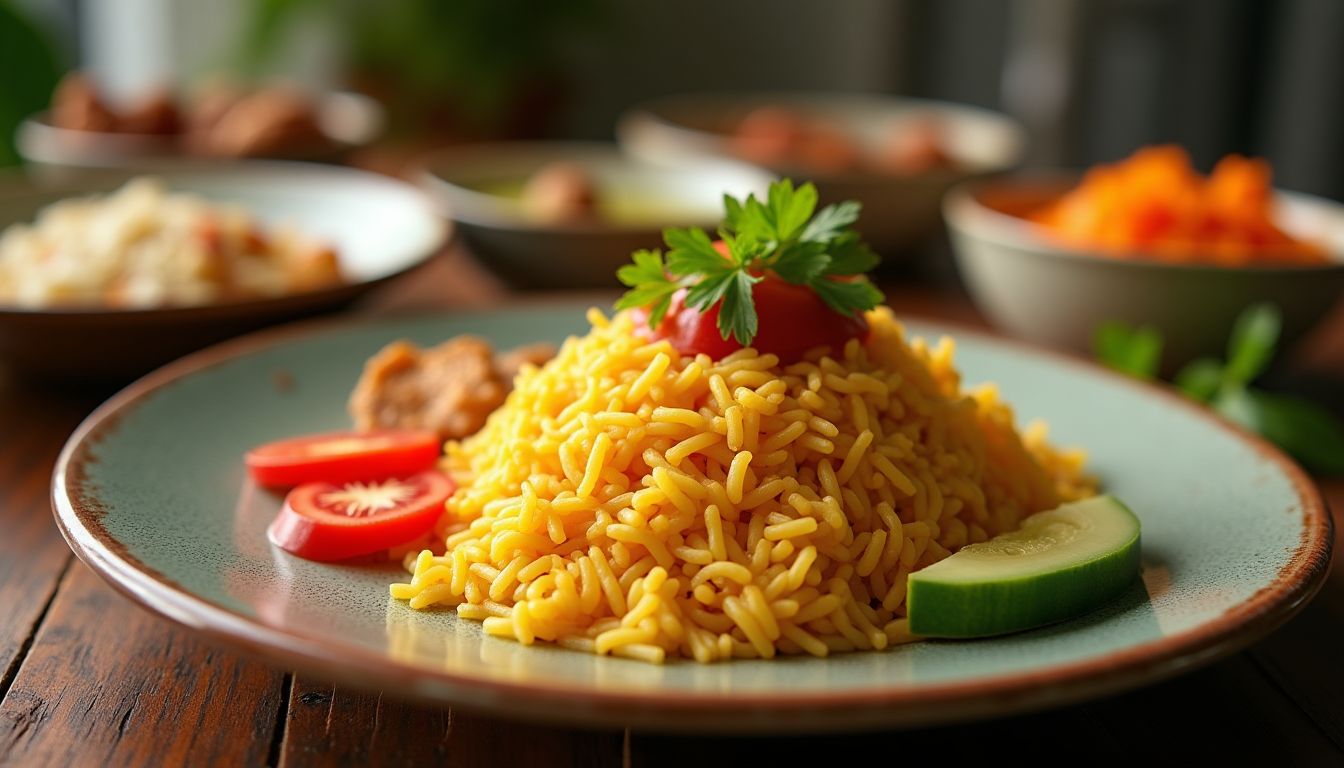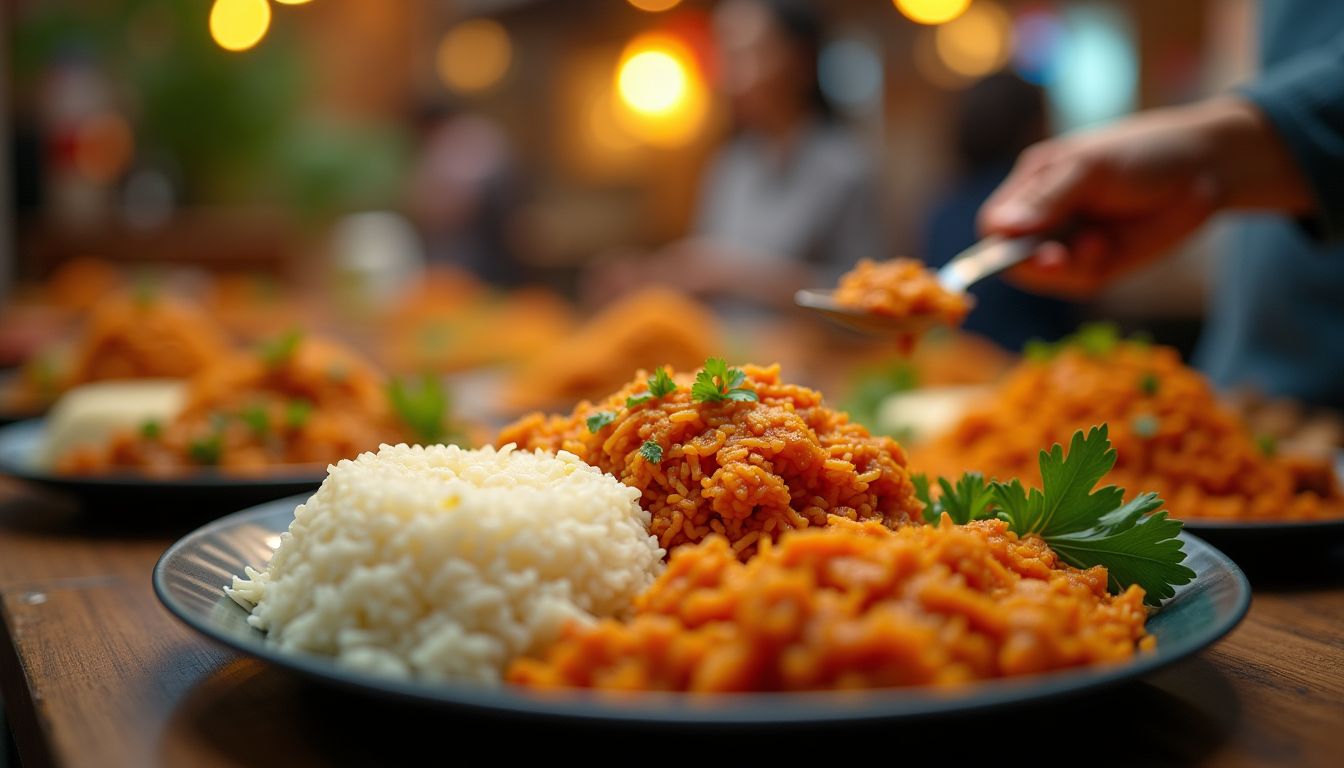
Big money is moving into Malaysia's food scene — but between arson attacks on opening night and untaxed kopi crossing into Thailand, the real story is who actually survives the boom.
Malaysians do not just eat out. They eat competitively. They queue, they compare, they screenshot. A new café opening in Damansara gets a full TikTok audit before the second week of business. A bad nasi lemak photo will lose you followers faster than a price hike. Food is not lifestyle here — it is the culture. Which is exactly why the stakes in this industry are so brutally high.
So when a Threads post recently described a restaurant being torched the night before its grand opening — two masked men, accelerant, red paint — the comment section did not express shock. It expressed recognition. Founders messaged the poster privately. Nobody was surprised. That silence is the real signal.
The Revenue Numbers Look Great. The Street Level Tells a Different Story.
On paper, Malaysia's F&B sector is a compelling investment thesis. Industry revenue has climbed steadily from 2014 through 2023, driven by a young population, strong domestic consumption, and a food tourism ecosystem that Tourism Malaysia actively promotes. The upcoming Malaysian International Food and Beverage Trade Fair (MIFB 2026) is being positioned as a flagship push — strengthening Malaysia's 'Made in Malaysia' brand ecosystem for export and trade, with MIFB also powering long-term growth for local brands beyond domestic borders.
And yet. Ninety-six thousand packets of Malaysian kopi — the good stuff, the kind that Old Town White Coffee built a regional brand on — were recently seized by Thai customs in Pattani. Smuggled across the border. Untaxed. That is not a supply chain anomaly. That is a demand signal wearing a crime story's clothes. Malaysian beverages are wanted badly enough to move illegally.
The competitive intensity in Malaysia's F&B sector is not theoretical. It is physical. The arson story is extreme, but the underlying dynamic — too many operators chasing the same lunch crowd, the same dinner table, the same weekend footfall — is something every founder in this market feels daily.
New Entrants Are Coming In Hot, But Format Is the Real Bet
Little Caesars Pizza is opening its first Malaysia restaurant in May 2026, entering a market where ZUS Coffee has already normalised the idea of affordable-but-aspirational, and where Tealive has demonstrated that Malaysian consumers will queue for a domestic brand just as readily as for an international one.
The interesting question is not whether Little Caesars will find customers. It will — at least initially. The question is whether its Hot-N-Ready value positioning lands in a market where McDonald's Malaysia and KFC Malaysia have spent decades owning the fast, affordable, consistent corner of the QSR triangle.
What the data consistently shows — and what Verbrol tracks across F&B social signals in this region — is that format innovation travels faster than cuisine novelty in Malaysia right now. The Korean food surge is not just about bibimbap. It is about the experience scaffolding around it: the Korean-drama aesthetic, the group-dining format, the halal certification that opens it to the majority Muslim market. The explosion of Muslim-friendly Korean restaurants in KL is a masterclass in how to localise a foreign trend without diluting what made it desirable.
Brands that get the format right — the seating, the ordering ritual, the social-media-readiness of the space — are winning even in saturated categories. YSL Beauty understood this intuitively when they transformed a KL kopitiam into an experiential brand activation, borrowing the kopitiam's cultural equity to sell something entirely unrelated to food. The space did the storytelling.
Regulation, Food Security, and the Legislation Nobody Has Priced In
Here is the variable most F&B operators are not building into their five-year models: Malaysia is drafting a Food Security Act (Akta Keterjaminan Makanan), expected to be tabled in parliament next year. The legislation is designed to stabilise food supply chains and ensure national food resilience — admirable goals, but the operational implications for importers, distributors, and foodservice operators could be significant.
For brands like Marrybrown — which has built a competitive position around Malaysian-identity fast food — this could be a structural advantage. Locally-sourced, locally-produced supply chains will be easier to compliance-map than import-heavy ones. For international entrants still building their Malaysian supply networks, it is a complication worth modelling now rather than after gazettal.
The cat-abuse incident at a Teluk Intan restaurant that went viral this week is a reminder of a different kind of regulatory exposure: public trust. In an era where a 30-second video can trend nationally before a brand's crisis team has even convened, operational standards in every corner of the business — not just the menu — are brand equity. One viral moment can do more lasting damage than a bad review cycle.
The Practical Playbook: What Operators and Brand Managers Should Actually Do
The signals this week point toward three concrete decisions that F&B operators and their marketing partners should be making now:
-
Invest in creator-led content before the opening, not after. The restaurant-torching story went viral on Threads with zero engagement metrics — not because people didn't care, but because the founder messaged privately. There is a suppressed anxiety in this industry that needs a public channel. Brands that build trust through transparent, pre-launch storytelling are harder to attack — literally and reputationally. Platforms like Creamatch, Malaysia's managed creator content platform, are structured precisely for this kind of sustained narrative-building, not just one-off influencer posts.
-
Audit your format, not just your menu. Korean halal dining is growing in KL because it solved the group-dining problem for Muslim consumers who wanted an occasion meal. Ask what problem your format solves, not just what your food tastes like.
-
Start monitoring the Food Security Act drafts now. Most operators will wait for the legislation to pass before adjusting. The ones who build compliant supply chains early will face lower switching costs and a genuine compliance moat when enforcement begins.
For deeper trend monitoring across the Southeast Asian F&B market, the Verbrol Pulse dashboard surfaces real-time category signals before they become consensus narratives — which, in a market this competitive, is where the advantage actually lives.
The Bottom Line
Malaysia's F&B market is not struggling. It is growing, attracting international capital, and producing domestically competitive brands that export flavour and format across the region. But growth at this pace creates friction — between incumbents and new entrants, between formal regulation and informal pressure, between the aspirational brand story and the operational reality of keeping a kitchen running in a country where someone might show up with paint and a lighter the night before you open.
The brands that win in this market over the next three years will not simply be the ones with the best product. They will be the ones who understand that in Malaysia, trust is the menu item that takes longest to build — and the first one customers notice when it's missing.
Track F&B trends in real-time at verbrol.com
Read more on Verbrol Intelligence: