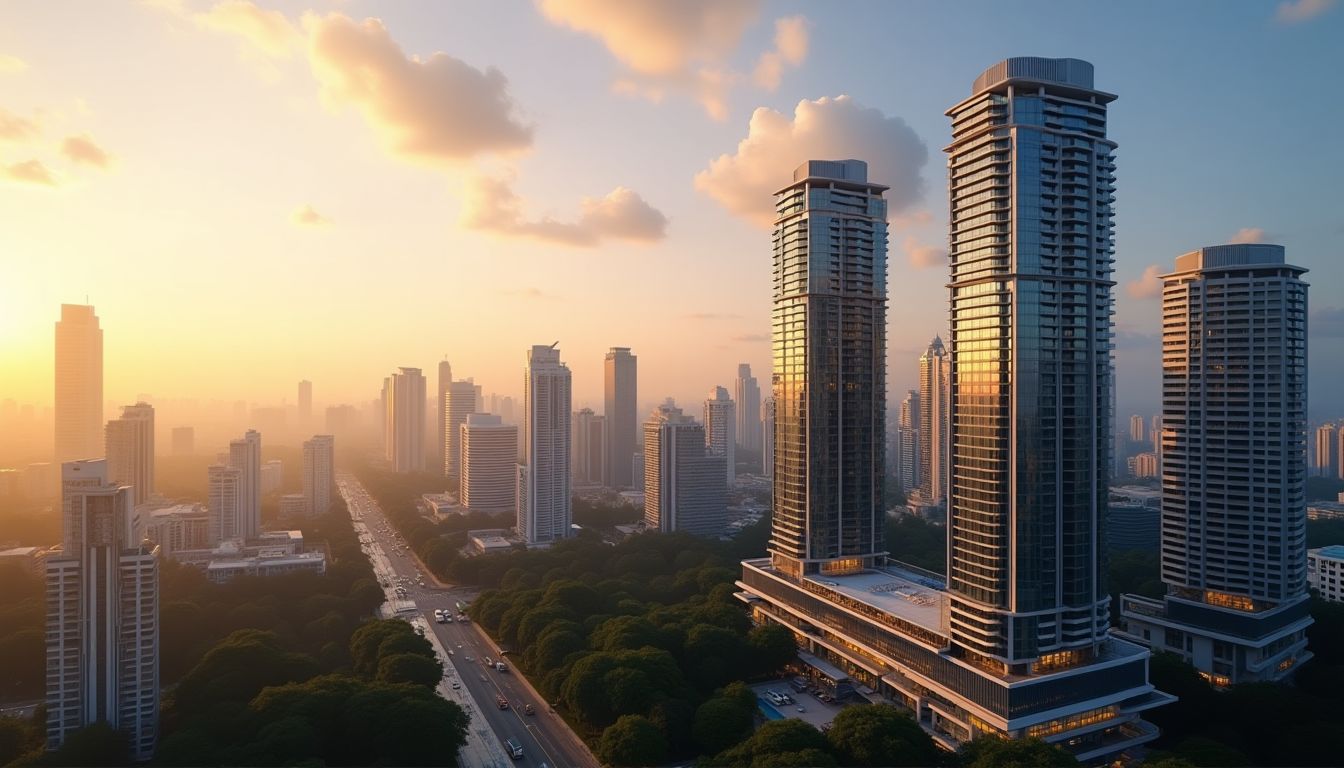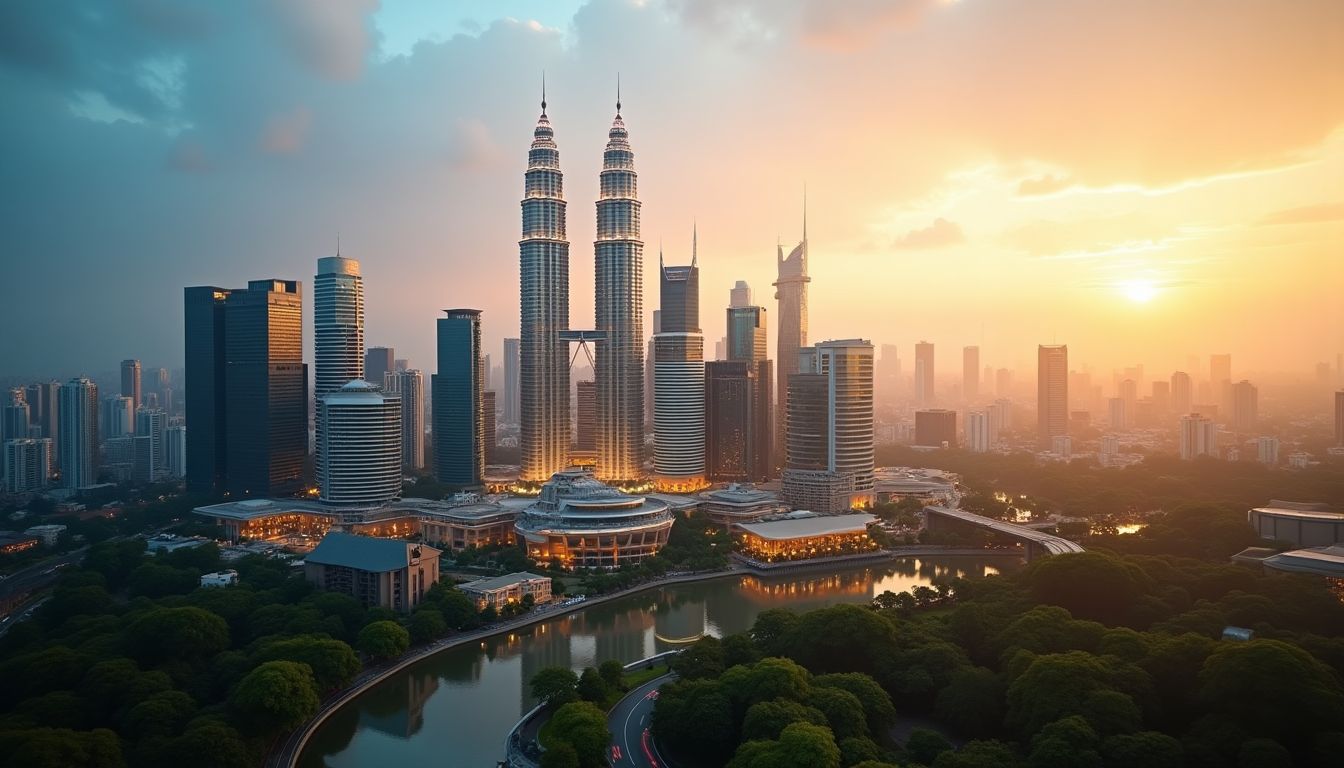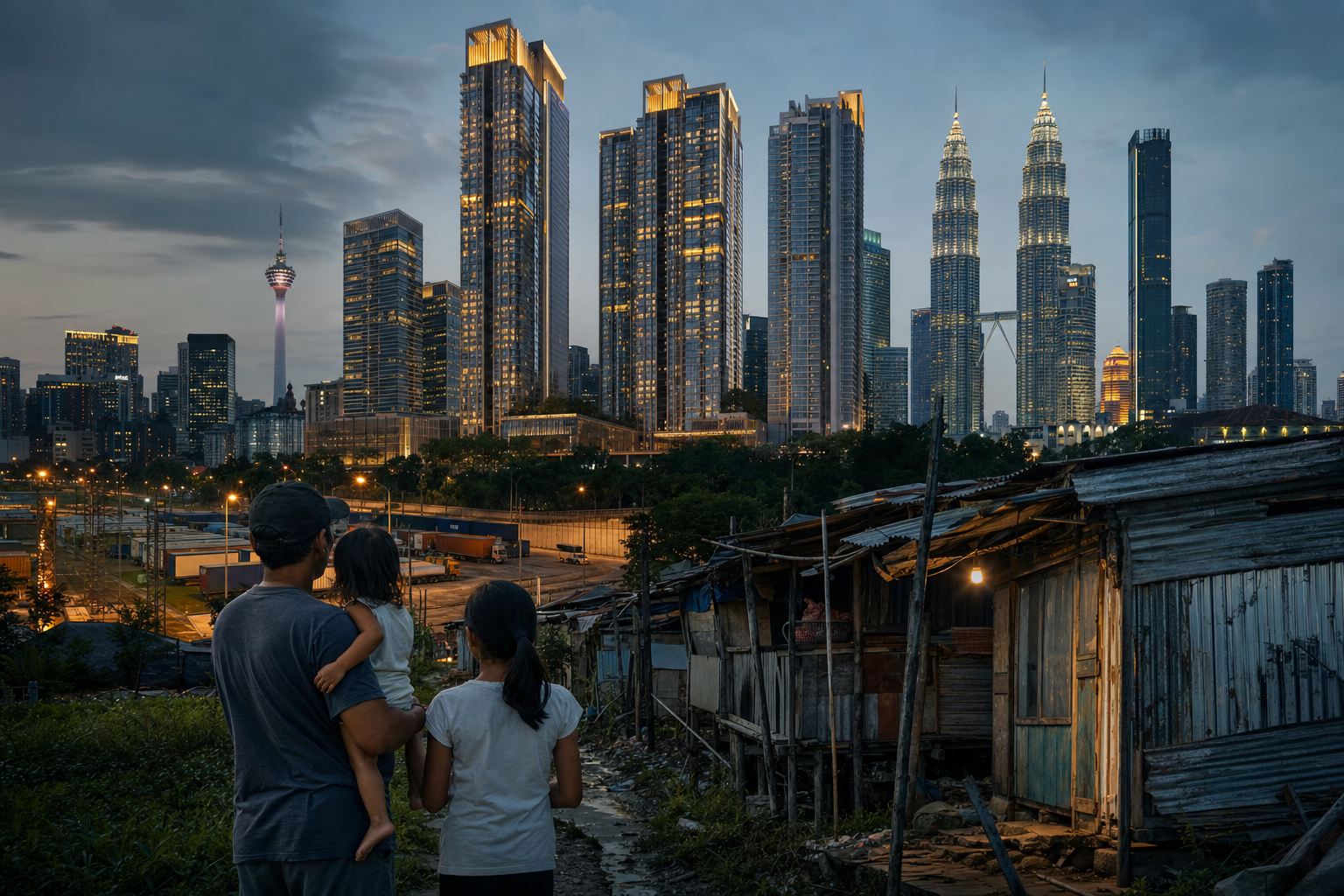
Big capital is moving simultaneously into EV logistics parks, ultra-luxury branded towers, and RM80 billion smart cities — but the segment that touches the most Malaysians still has no clear policy anchor.
The Week the Market Moved in Three Directions at Once
An RM80 billion smart city announcement. A surge in developer capex on structural upgrades. GROHE opening a dedicated spa showroom in Kuala Lumpur to chase a growing luxury pipeline. For a single week in June 2026, Malaysia's property sector produced enough signal density to suggest the market is not moving in one direction — it is forking hard into three structurally different stories, each with its own demand driver, buyer profile, and risk horizon.
Understanding which fork matters for your position — whether you're a developer, a brand manager, or a funds allocator — requires separating the noise from the compound trend. That's exactly what this piece does.
Fork One: Industrial Property and the EV Supply Chain Premium
The sharpest near-term demand story is industrial. EVs are powering a measurable boom in Malaysia's industrial property segment — EdgeProp's reporting this week placed the structural link between Malaysia's EV manufacturing ambitions and warehouse, logistics, and manufacturing floor demand squarely on the table. The national push to position Selangor and Johor as EV assembly and component corridors is translating directly into lease uptake for industrial sheds above 100,000 sq ft, with purpose-built facilities commanding a reported 15–20% rental premium over standard industrial stock.
Gamuda and IJM both have exposure here through infrastructure-adjacent landbanks, and EcoWorld's industrial township plays in Johor are increasingly cited in broker notes as direct beneficiaries of this supply chain migration. The pattern tracks: multinational EV component suppliers need certified, large-format facilities fast, and greenfield supply in strategic corridors is constrained. That scarcity premium is real and measurable in transactional data available through NAPIC, which logs industrial property transaction volumes quarterly by state.
Critically, developers are also responding to structural risk management pressure. Reporting this week confirmed that property developers are expected to increase spending on engineering reviews, structural upgrades, and business continuity measures — a direct response to both regulatory tightening and the operational requirements of heavy industrial tenants who demand higher load-bearing specifications and power infrastructure. This is capex that will show up in construction cost lines in 2026 annual reports.
Fork Two: Branded Residences and the Luxury Demand Recalibration
At the opposite end of the affordability spectrum, Malaysia's luxury segment is undergoing a quiet but significant repositioning. The rise of branded living is adding measurable new value to Malaysia's luxury property landscape — where hospitality operators, luxury goods brands, and property developers are co-branding residential towers to command a 20–35% price premium over comparable unbranded stock in the same postcode.
Analysis of Malaysia's luxury property trajectory through 2026 points to foreign buyer interest — particularly from Singaporean and Chinese high-net-worth individuals — as a structural prop under the RM2 million-and-above tier. LIXIL's decision to open an exclusive GROHE SPA showroom in Malaysia this week is a proxy indicator worth taking seriously: a European luxury sanitaryware brand does not commit showroom capex into a market it reads as stagnant. It reads the luxury pipeline as real and growing.
Sunway and IOI Properties both have product in the luxury-adjacent tier, and SP Setia's Setia Sky series has consistently tested branded and lifestyle-driven positioning. The marketing intelligence question for brand managers tracking this segment is straightforward: premium property marketing is increasingly indistinguishable from luxury lifestyle marketing, and the content strategies that close these buyers require aspirational, experience-led formats. Developers activating content at this tier are increasingly using managed creator platforms like Creamatch to source Malaysian lifestyle and property content creators who can speak credibly to this audience at scale.
Fork Three: The RM80 Billion Smart City Bet and the Affordable Housing Fault Line
The largest single headline this week came from Johor. Genting Property has unveiled an RM80 billion Johor Tech Smart City in Kulai — a phased development anchored on tech industry tenants, smart infrastructure, and Johor-Singapore Special Economic Zone (SEZ) spillover demand. The project's scale is a statement: it signals that at least one major developer reads the Johor SEZ as a long-duration demand anchor, not a short-term catalyst.
The counterweight to this headline ambition is the affordability fault line that no mega-project resolves. Policymakers are actively debating the structural inadequacy of the existing RM300,000 price cap for affordable housing — and a proposed income-based housing model to replace the RM300,000 cap has entered the policy discussion, according to NST. The current fixed-price threshold does not account for regional income variance — a RM300,000 cap means something structurally different in Kuala Lumpur versus Kelantan. An income-indexed model would more accurately target subsidy and financing eligibility, but it also introduces policy complexity that developers, bankers, and buyers all have to price in.
Mah Sing has historically been one of the more aggressive developers in the affordable-to-mid-market space, and any recalibration of the price cap framework directly affects its product pipeline decisions. Transaction data on affordable housing launches by state is trackable through iProperty's market data dashboard, which logs new launch activity and take-up rates on a rolling basis.
What This Week's Signals Mean for Marketers and Brand Managers
Three forks. Three distinct demand stories. The practical implications for anyone whose brand or mandate touches Malaysian property in 2026:
- Industrial property is the highest-velocity segment right now. If your brand plays in construction materials, engineering services, or logistics infrastructure, the EV supply chain corridor is where specification decisions are being made today.
- Luxury property marketing has crossed into lifestyle territory. Brands in hospitality, premium appliances, or design — GROHE being the live example this week — are now legitimate co-marketing partners for developers. The content formats that convert at this tier require credible, experience-led voices, not banner ads.
- The affordable housing policy debate will take 12–24 months to resolve. Developers with mid-market exposure should model multiple scenarios around the income-based cap, not assume continuity of the current RM300,000 framework.
The market intelligence picture across these three forks is dense and fast-moving. Verbrol Pulse aggregates property-sector signals across Malaysian news and social channels on a continuous basis — the week-on-week shifts in developer sentiment, policy discourse, and buyer interest are trackable in near real-time for teams that need to move before the headline consensus forms.
The Malaysian property market in mid-2026 is not one story. It is at least three — and the capital, the policy, and the marketing all need to be allocated with that fork in mind.
Track Property trends in real-time at verbrol.com
Read more on Verbrol Intelligence: