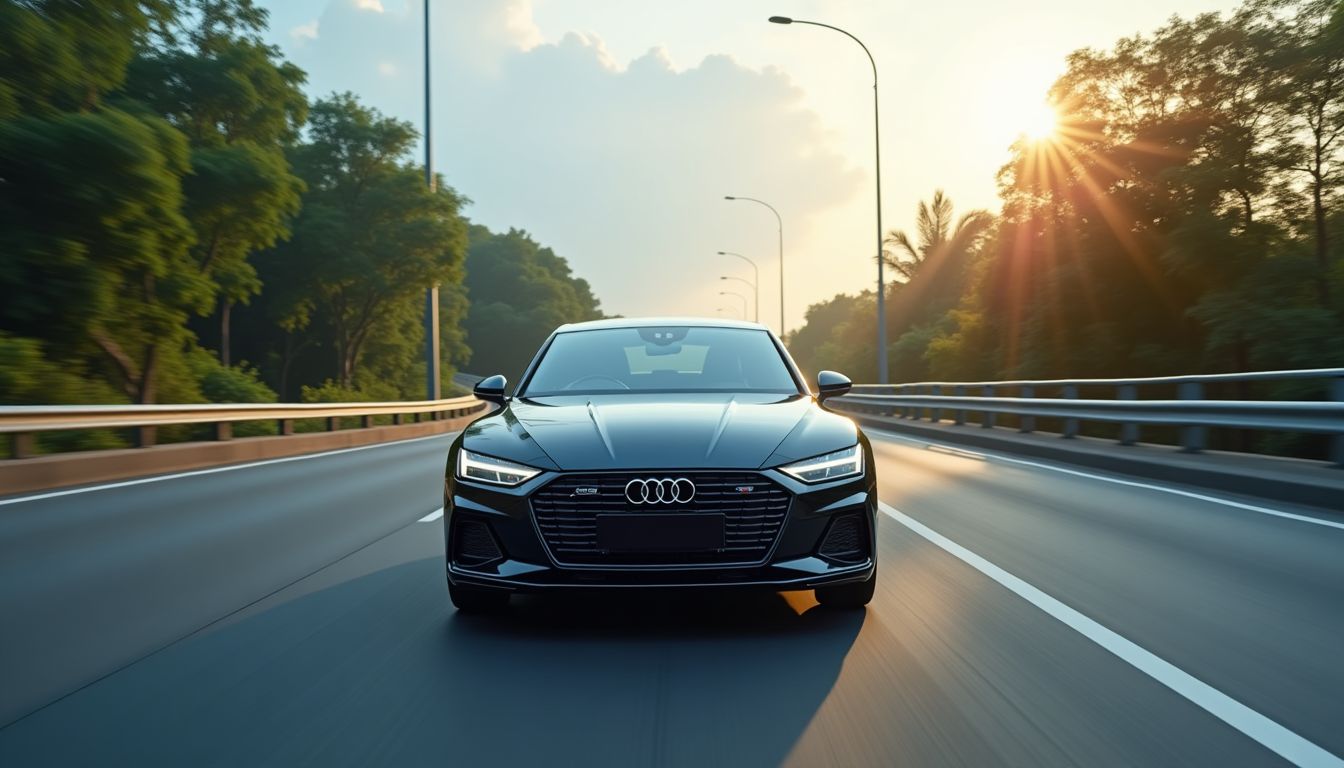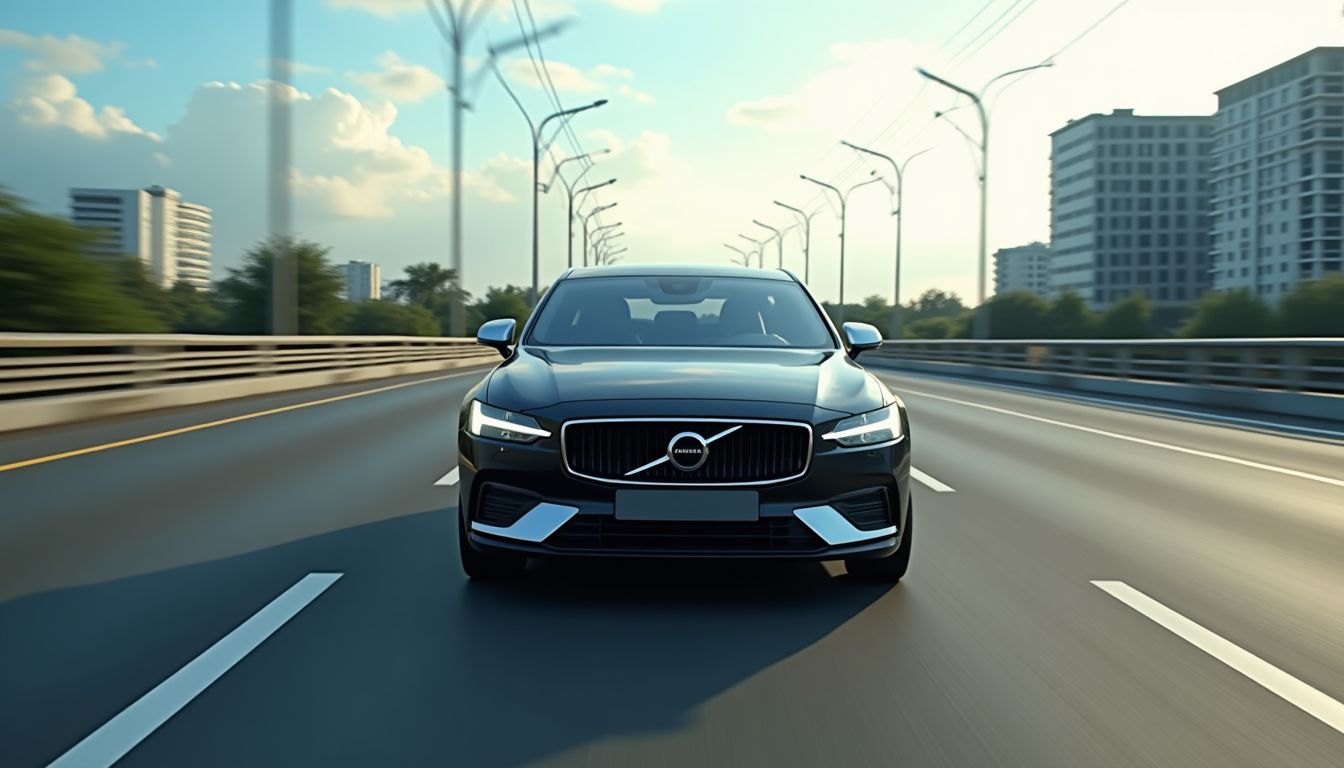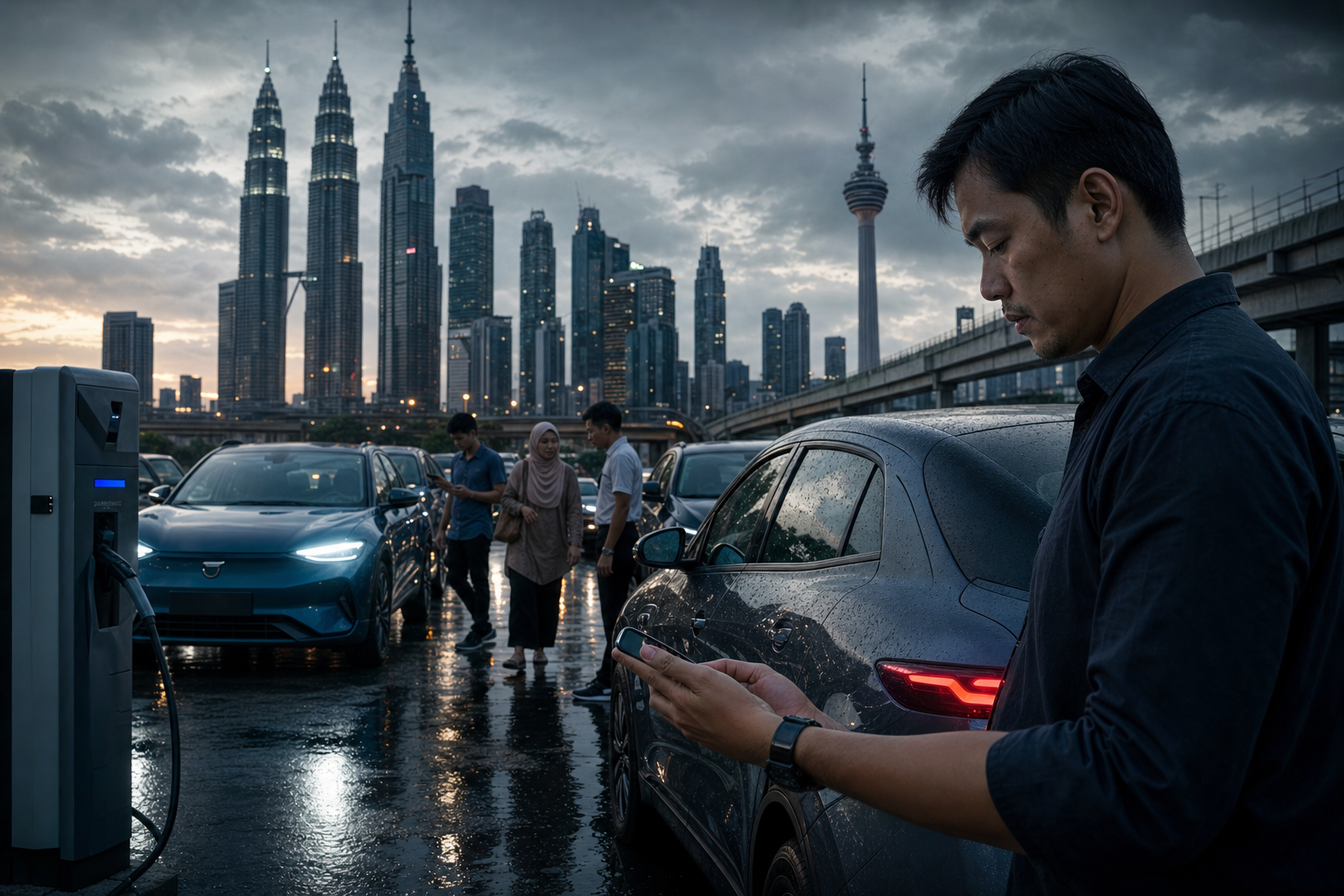
Proton just put an EV in Malaysia's top five bestselling cars — and Perodua is writing lease clauses that can remotely lock you out of your own vehicle. The 2026 auto market isn't just electrifying; it's restructuring every assumption brands made about Malaysian car buyers.
When an EV Becomes a Subscription
A car you cannot start because you missed a battery payment is not a car in the conventional sense — it is a service with wheels. That is precisely the commercial architecture Perodua is stress-testing with its first battery electric vehicle, the QV-E. Reports confirm that under certain ownership structures, Perodua's EV can be remotely locked out if battery fees go unpaid. The price, meanwhile, has been revised downward to as low as RM63,449 — a figure calculated to undercut hesitation at the mass-market level.
This is not a footnote. It is a signal of how fundamentally the business model of car ownership in Malaysia is being redesigned in real time — and most brand managers in adjacent categories have not begun to map what it means for their audiences.
Two National Brands, Two Very Different Bets
The contrast between Proton and Perodua's current trajectories is analytically useful for anyone trying to understand where Malaysian automotive demand is actually going.
Proton is in full product-offensive mode. Since its tie-up with Geely, the company has launched 34 new models, expanded to 146 new showrooms, and by its own account achieved a tenfold improvement in quality metrics — with sales roughly doubling over the same period. The pipeline is aggressive: the AMA02 (a Saga Cross-positioned A-segment SUV set to rival Perodua's Ativa) is confirmed for Q4 2026 production start, with AMA05, AMA06, and a next-generation GMA EV also in planning. Facelifts for the S70 and X90 are coming soon.
More immediately, the Proton e.MAS 5 has broken into Malaysia's top five bestselling cars, capturing an estimated 50% of Malaysia's EV segment. That is a remarkable market concentration for a nameplate that did not exist two years ago. For reference, the Proton Saga MC3 — still a combustion vehicle — delivered 8,207 units in April alone, up 50.9% over March, with year-to-date volume of 29,977 units representing a 42.8% YoY gain. Proton is not choosing between ICE and EV; it is running both playbooks simultaneously.
Perodua's position is different. Its QV-E is priced for breadth, not margin — and the battery-as-a-service structure suggests the company is willing to experiment with recurring revenue models that most Southeast Asian OEMs have not yet attempted at volume. According to The Star, record sales volumes are increasingly likely for the Malaysian auto industry in 2026, driven precisely by this kind of accessible EV pricing strategy.
Policy Is Moving Faster Than Product Roadmaps
From January 2026, Malaysia raised the minimum CIF price for CBU EVs from new brands to RM250,000, with a minimum output requirement of 272 PS. This is a deliberate industrial policy move — it protects domestic assembly economics while creating a premium moat that foreign-only EV entrants cannot easily breach at volume.
The consequence is a two-tier market: national brands like Proton and Perodua operating in the sub-RM150k segment with locally assembled or BEV-subscription models, and premium CBU imports (from brands like BMW Malaysia and others with established CKD arrangements) competing above RM250k. The middle is compressed. Brands that were planning to enter the RM150k–RM230k CBU segment face a structural barrier that did not exist 18 months ago.
This is the kind of regulatory shift that Malaysia's auto sector must shift gears to address beyond pure assembly — the deputy minister's framing of value-chain deepening is not rhetorical; it reflects a ministry that is actively using trade policy to force OEMs into local integration decisions.
Separately, Proton is managing a legal dispute with a supplier over alleged unpaid dues — a detail worth noting because it reveals the financial stress that can accompany aggressive product expansion. Scale without supplier discipline creates its own tail risks, and any brand manager evaluating co-marketing or partnership exposure with an OEM should account for upstream supply chain health, not just headline sales figures.
What This Means for Marketers and Brand Managers
The 2026 Malaysian auto market is not a single trend — it is four structural shifts happening simultaneously, and each one creates a different kind of brief.
First, the EV buyer profile is fragmenting. The person buying a Perodua QV-E at RM63,449 on a battery lease has a completely different financial behaviour pattern from the buyer of a Proton e.MAS 5 at its current price point. Segment-level messaging that treats "EV buyer" as a monolith will underperform. Bernama has tracked consistent differentiation in buyer demographics across price bands — mass-market EV buyers in Malaysia skew younger and are more influenced by total monthly cost than sticker price.
Second, the semiconductor and technology stack inside Malaysian vehicles is becoming a marketing surface. As PwC's analysis of the semiconductor-powered future of Malaysia's auto industry outlines, integration between in-vehicle connectivity and external platforms is inevitable. Brands with digital products — fintech, navigation, media — need to be in OEM conversations now, not after the software stack is locked.
Third, content around EV anxiety is underserved. The battery lockout mechanism in Perodua's QV-E will generate organic consumer concern — search volume around "what happens if I miss EV battery payment Malaysia" is going to climb. Brands that operate in the personal finance, insurance, or consumer education space have a content window here. Platforms like Creamatch, Malaysia's managed creator content platform, are well-positioned to deploy educator-style creators who can translate complex ownership structures into accessible, shareable content before the misinformation fills the vacuum.
Fourth, the Proton product pipeline is a media calendar. With AMA02 confirmed for Q4 2026 and multiple facelifts in the pipeline, there are six to eight distinct product news moments in the next 18 months around Proton alone. Adjacent brands — accessories, insurance, charging infrastructure, lifestyle — should be mapping their content calendars against this pipeline now. The Verbrol Pulse dashboard tracks real-time signal clustering around automotive launches, which allows brands to pre-position rather than react.
The Structural Takeaway
Malaysia's auto industry in mid-2026 is simultaneously the most dynamic and the most technically complex it has ever been to navigate as a marketer. The policy environment is tightening around CBU imports while national brands accelerate product velocity. Business models are shifting from ownership to access. The buyer psychographic is splitting across price and technology comfort levels.
Brands that approach this market with a single message and a quarterly campaign cycle will find themselves outpaced by the rate of change on the ground. The intelligence advantage belongs to teams that track signal shifts in near-real time — monitoring not just what is selling, but what Malaysians are asking, worrying about, and sharing in the days after each product announcement.
For supply chain, pricing, and product intelligence across Malaysia's auto sector, explore the Verbrol Southeast Asia market intelligence platform.
Track Auto trends in real-time at verbrol.com
Read more on Verbrol Intelligence: