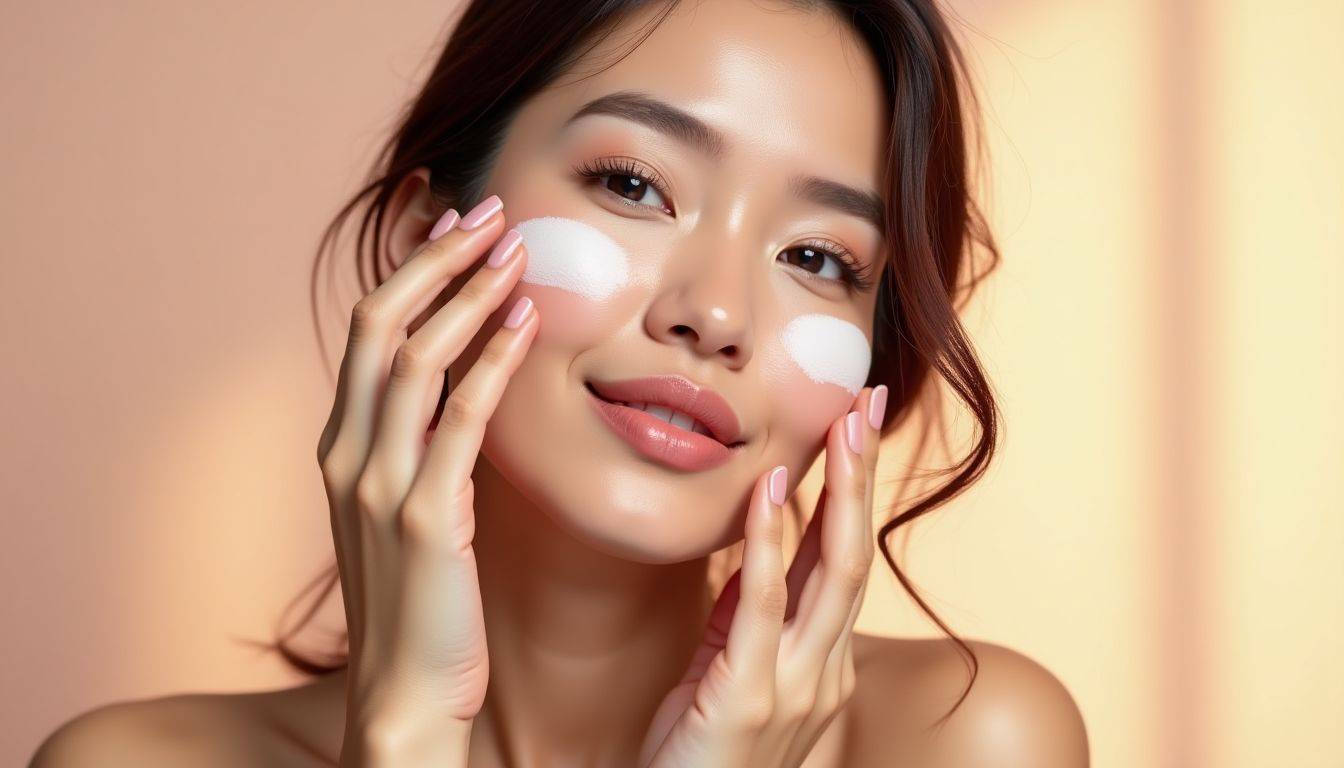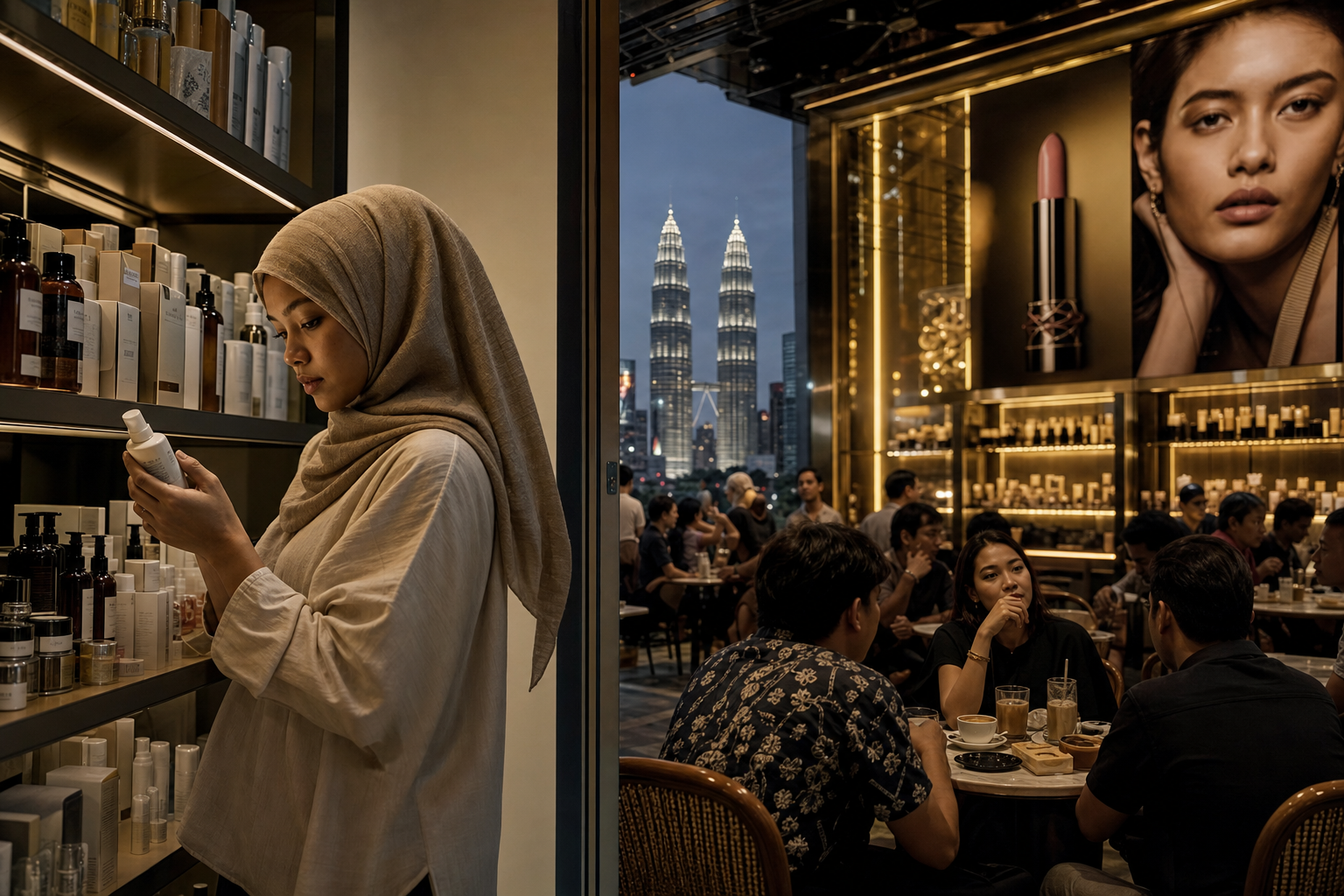
A banned skincare brand still on shelves and YSL taking over a Bukit Bintang kopitiam — Malaysia's beauty market is being remade by the twin forces of consumer anxiety and aspirational desire.
When Forty Women Sound the Alarm
What does it take for a consumer to truly lose faith in a beauty brand — and, by extension, in the entire category she shops from?
This week in Malaysia, we found out. The Health Ministry issued a formal ban on Tati Skincare products after testing confirmed the presence of poisonous substances in its formulations. The story didn't end with the announcement. Forty women subsequently raised the alarm that the banned products were still being sold — on shelves, through online listings, quietly persisting in the very distribution channels that consumers trust. According to reporting tracked across Bernama and national outlets including NST Online, the gap between regulatory action and market reality exposed something uncomfortable: in Malaysia's fragmented beauty retail ecosystem, a ban is the beginning of the story, not the end.
For brand managers and marketers working in this category, the Tati Skincare episode is more than a compliance cautionary tale. It is a signal — pointed and urgent — about where consumer trust is fracturing and what kind of leadership the market is waiting for.
The Safety Vacuum and the Brands That Can Fill It
Consumer anxiety about ingredient safety is not new in Southeast Asia, but the Tati Skincare episode has crystallised it at a moment when Malaysia's beauty retail landscape is simultaneously more sophisticated and more chaotic than it has ever been. Shoppers are more educated, more ingredient-aware, and — as the forty women who sounded the alarm demonstrate — more willing to act publicly when they feel let down.
This creates a structural opportunity for retailers and brands that have built their identity around verified safety and transparent sourcing. Guardian Malaysia, recently recognised as a leader in health, beauty and wellness retailing at the Retail Asia Awards 2026, is positioned to benefit directly from a trust flight among consumers who are reconsidering where they buy. So is Watsons Malaysia, which has invested heavily in its private-label certification and in curated health-adjacent beauty ranges. Caring Pharmacy, with its pharmacist-led retail model, speaks precisely to the consumer who now wants credentials alongside her cleanser.
The lesson for brand managers: safety is no longer a baseline assumption in the Malaysian consumer's mind. It is a differentiator — and in the wake of the Tati episode, brands that communicate ingredient transparency with clarity and consistency will earn a loyalty premium that no promotional discount can replicate.
For homegrown brands like Safi and Sendayu Tinggi, whose heritage is built on halal certification and natural formulation, the current moment is an invitation to recommit to those founding narratives with renewed specificity. Certification statements alone are insufficient; the consumer wants to know why an ingredient is in her serum and who verified it.
Prestige Finds Its Platform — and Its Kopitiam
While safety anxieties ripple through the mass-market segment, the prestige end of Malaysia's beauty market is moving with an entirely different energy — and it is moving, fascinatingly, onto TikTok.
YSL Beauty's launch of its Malaysia TikTok Shop, marked by a Bukit Bintang kopitiam takeover, is a masterclass in cultural fluency. A maison that has dressed French cinema for decades chose a kopitiam — the most democratically Malaysian of spaces — as the stage for its digital commerce debut. The choice is deliberate and telling: luxury in 2026 does not announce itself from a gilded distance; it arrives where you are, speaks the language of your neighbourhood, and then invites you upward.
This shift is reshaping how Sephora Malaysia and comparable prestige retailers think about discovery and conversion. The TikTok Shop model collapses the distance between inspiration and purchase to near zero, and for beauty — a category driven by sensory aspiration and social proof — that compression is transformative.
For marketers working with creator talent to amplify prestige campaigns, the strategic infrastructure now matters as much as the creative idea. Platforms like Creamatch, Malaysia's managed creator content platform, are becoming essential connective tissue between luxury brand intentions and the local creator voices that Malaysian consumers actually follow and trust. The kopitiam aesthetic YSL deployed is precisely the kind of cultural register that skilled local creators navigate instinctively — and that no global campaign brief alone can manufacture.
Korean Beauty, Hard-to-Find Skincare, and the Information Economy
Running quietly beneath both the safety crisis and the prestige disruption is a third current: the continued and deepening influence of Korean beauty innovation on Malaysia's skincare consumer.
Korean beauty innovation is reshaping Malaysia's industry landscape, with brands like HaruHaru Wonder — whose vegan, science-backed formulas are now expanding to global retail — exemplifying what Malaysian shoppers increasingly seek: accessible provenance, visible evidence of efficacy, and ethical positioning. The data from The Star confirms that K-beauty demand is not a trend cresting toward saturation; it is a structural reorientation of the Malaysian premium skincare consumer's expectations.
Further sharpening this picture, a Malaysian platform dedicated to making hard-to-find skincare more accessible and better understood has drawn significant organic attention — suggesting that the discovery layer of the beauty journey is itself becoming a contested space. Consumers no longer want just products; they want curation, context, and confidence. Brands that invest in education — ingredient explainers, sourcing stories, honest comparative reviews — will capture the trust that regulation alone cannot manufacture.
CosmoBeauté Malaysia & BeautyExpo's return to KLCC in 2026 reinforces that B2B appetite for new brand relationships — particularly in the K-beauty and science-backed skincare segments — is stronger than ever. For brands seeking regional partners and retail listings, that event will be a critical intelligence moment worth building a strategy around well in advance.
What Marketers Should Do Now
Three actionable priorities emerge from this week's signals for anyone working in or around Malaysia's beauty market:
-
Build a safety narrative before you need one. The Tati Skincare story is a lesson in reputational fragility. Brands across all price points should audit their communication of ingredient sourcing, regulatory compliance, and post-ban monitoring protocols — and make that communication proactive, not reactive.
-
Treat TikTok Shop as a prestige channel, not a discount channel. YSL's kopitiam activation demonstrates that social commerce and luxury positioning are not in tension. The creative frame matters enormously. Invest in the cultural intelligence to get that frame right — and work with creators who embody the intersection of aspiration and authenticity. Creamatch is one platform designed specifically to navigate that intersection in the Malaysian market.
-
Invest in consumer education as a brand asset. In a market where a banned product continues to circulate and where ingredient anxiety is rising, the brand that genuinely helps consumers understand what they are putting on their skin earns something no media budget can buy: informed loyalty. Tap into Verbrol Pulse to track which ingredients and formulation conversations are gaining momentum in Malaysian social and search feeds — and let that intelligence shape your content calendar.
Malaysia's beauty market in 2026 is not simply growing. It is sorting itself — along the axis of trust. The brands and retailers that understand this, and act with both clarity and cultural fluency, will own the next chapter.
Track Beauty trends in real-time at verbrol.com
Read more on Verbrol Intelligence: