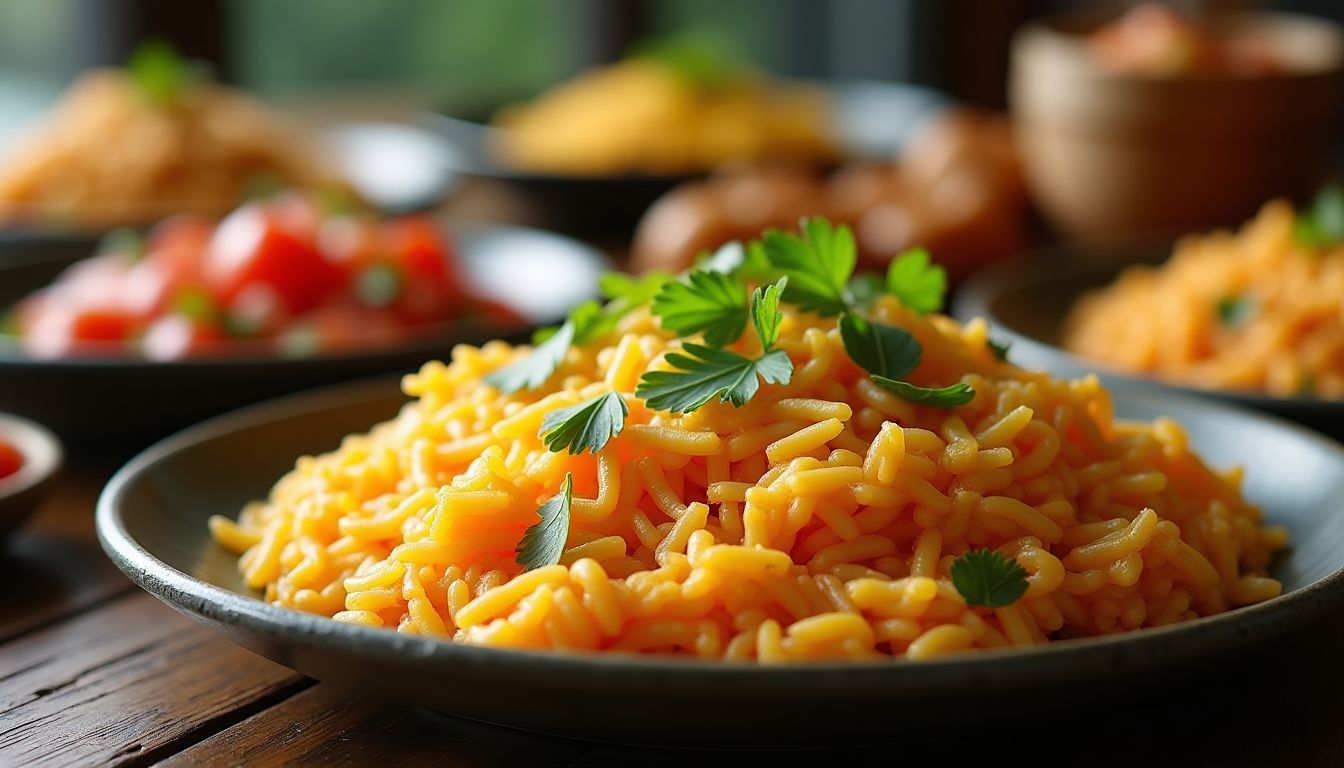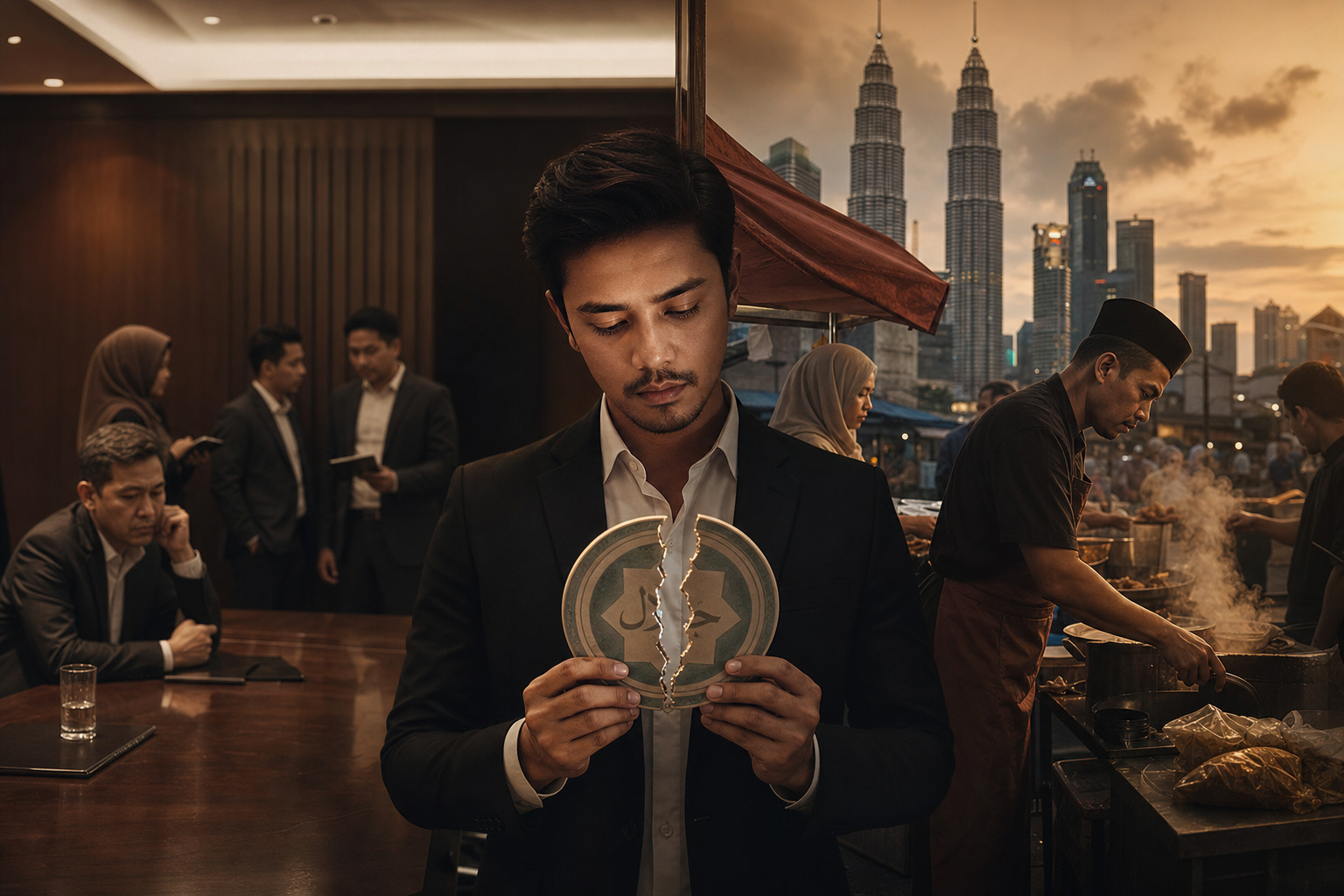
Halal certification in Malaysia was once a quiet box to tick — today, a single viral video or a supplier audit can erase it overnight, and the brands that survive will be those who treat integrity as a growth strategy.
In Malaysia, food is never merely sustenance. It is community, identity, and — for the 32 million people navigating a society where halal status carries legal, spiritual, and commercial weight — it is an act of trust. That trust, for the longest time, operated quietly in the background. Manufacturers displayed their JAKIM or state Islamic authority certificates on packaging, consumers scanned the logo at the point of purchase, and the machinery moved on.
That quiet arrangement is now under serious pressure.
When the Certificate Goes, Everything Goes
In the past 48 hours, the Jabatan Agama Islam Malaysia (JAIM) issued an immediate revocation of halal certification for a coffee factory and biscuit manufacturer after an audit revealed the use of pig bristle brushes in the production process. The story ran across Berita Harian and spread rapidly through Threads. The reaction from the Malaysian public was swift and unambiguous: betrayal.
What is instructive here is not simply the violation itself — it is the velocity of consequence. There was no grace period, no quiet corrective notice. The certificate was withdrawn on the spot. For the brands involved, years of market positioning, retail shelf space, and consumer loyalty collapsed in a single regulatory action.
This is the new operating reality for Malaysia's food and beverage sector. The F&B battle for Malaysian taste buds as documented by The Edge Malaysia is not only being fought on flavour and price — it is being fought on credibility. And credibility, in this market, is inseparable from halal integrity.
For brand managers and marketing directors in the F&B space, the lesson is structural: halal compliance cannot live inside the compliance department alone. It must be embedded into procurement standards, supplier contracts, and operational audits that marketing teams are actively briefed on. The moment a supply chain gap becomes a public scandal, no amount of crisis communications recovers what the certificate once silently guaranteed.
The Parallel Crisis: When Food Goes Viral for the Wrong Reasons
At roughly the same moment the JAIM revocation circulated, a separate food trust story was gaining traction. A nasi kandar restaurant owner found himself responding to a viral video that appeared to show leftover food being recycled — clarifying, eventually, that the footage depicted washed scraps being prepared as animal feed, not for human consumption. The damage to perception, however, had already been done.
These two incidents, arriving together, reveal something important about the current media environment governing Malaysian F&B. Time Out KL has documented how the city's food culture moves at extraordinary speed — a restaurant can sell out on its first day, as Khairul Aming's Rembayung demonstrated when it launched to queues and sold out in record time. That same velocity, however, applies equally to reputational collapse.
The asymmetry is stark. Virality in praise takes weeks of consistent quality and creator amplification. Virality in scandal takes a single 30-second video clip.
This brings a connected concern into focus: the integrity of food content itself. A recent piece in Malay Mail raised the problem with influencers serving as food reviewers in Malaysia — the transactional nature of hosted reviews obscures genuine assessment, and consumers are increasingly aware of the gap. Platforms like Creamatch, Malaysia's managed creator content platform, address this directly by pairing F&B brands with creators whose audience alignment and disclosure standards are vetted — a meaningful distinction as regulatory scrutiny of sponsored content tightens across Southeast Asia.
The Market Still Grows — But the Floor Has Risen
None of this suggests the Malaysian F&B sector is contracting. The signals point in precisely the opposite direction. Revenue from Malaysia's food and beverage services industry has tracked consistent growth through 2023 according to Statista, and the pipeline for 2026 shows no deceleration. India Gate has announced a target of 30 branches nationally within two years, with focus on Johor, Penang, and Melaka. Encik Tan has entered Malaysia with its first restaurant in Subang. The MICHELIN Guide Kuala Lumpur & Penang 2026 has just announced newly awarded restaurants, confirming the country's standing as a serious fine-dining destination in the region.
Menu innovation is also accelerating. The pistachio and matcha trend — already entrenched in desserts — has migrated into savoury territory: catfish, compressed chicken, nasi lemak preparations. Established players like Secret Recipe and ZUS Coffee face the same pressure as independent operators to refresh relevance without alienating their core base. Old Town White Coffee, competing in the same heritage-positioning space as new kopitiam-format entrants, must now navigate a landscape where even kopitiam aesthetics are being appropriated by luxury beauty brands — YSL Beauty's TikTok Shop launch staged a full kopitiam takeover in Bukit Bintang, underscoring how the format has become a cultural shorthand for authentic Malaysian experience.
The MIFB trade fair, now under new ownership following One International Group's acquisition, positions itself as the primary platform for F&B businesses to convert these growth signals into commercial traction — particularly relevant for brands seeking regional distribution across Southeast Asia's halal economy corridors.
What Brand Managers Must Build Right Now
The convergence of these signals — halal revocations, viral food scandals, influencer credibility questions, and rapid market entry by new competitors — points toward a single strategic imperative: trust infrastructure must become a marketing asset, not merely a compliance function.
The brands that are best positioned in this environment share three characteristics:
-
Transparent supply chain communication. Tealive and Marrybrown, operating at scale with mass Muslim consumer bases, invest in supplier visibility as a matter of competitive positioning, not just regulatory compliance. When audits happen — and they will happen — documented supplier standards become the fastest path to public reassurance.
-
Creator partnerships built on disclosure, not just reach. As the influencer review credibility debate intensifies, brands that work through structured creator programmes with clear disclosure protocols will differentiate in a market growing sceptical of hosted reviews. The Verbrol Pulse intelligence layer tracks how creator-driven F&B content performs relative to earned media — the gap is narrowing, but only for brands whose creator content is perceived as genuine.
-
Halal integrity as a brand narrative, not a label. For Tourism Malaysia, promoting the country as a global halal food destination is a national priority. For individual F&B brands, the opportunity is to step into that narrative with substance — documented sourcing, third-party audits, and clear consumer communication — rather than relying on a certificate that, as this week demonstrated, can be withdrawn in a single morning.
The Market Rewards the Prepared
Malaysia's F&B sector in mid-2026 is not in crisis — it is in clarification. The market is growing, the appetite for dining experiences is genuine and expansive, and international players are arriving with serious intent. But the floor has risen. Consumers are more informed, regulators are more responsive, and social platforms amplify both excellence and failure with equal enthusiasm.
The brands that will compound their position in this environment are not those with the largest marketing budgets. They are those who understand that in Malaysia's halal economy, the certificate on the packaging is only as strong as the supply chain behind it — and that in 2026, the supply chain is always one audit away from a Threads post.
Verbrol tracks these shifts across social, news, and platform data so that F&B marketing teams can move on signals before they become headlines.
Track F&B trends in real-time at verbrol.com
Read more on Verbrol Intelligence: