Big money is moving decisively into Shah Alam, Johor, and structured investment vehicles — but the deals getting the loudest headlines are not always the ones carrying the most strategic weight.
The Launches Are Loud. The Structural Shift Is Quieter.
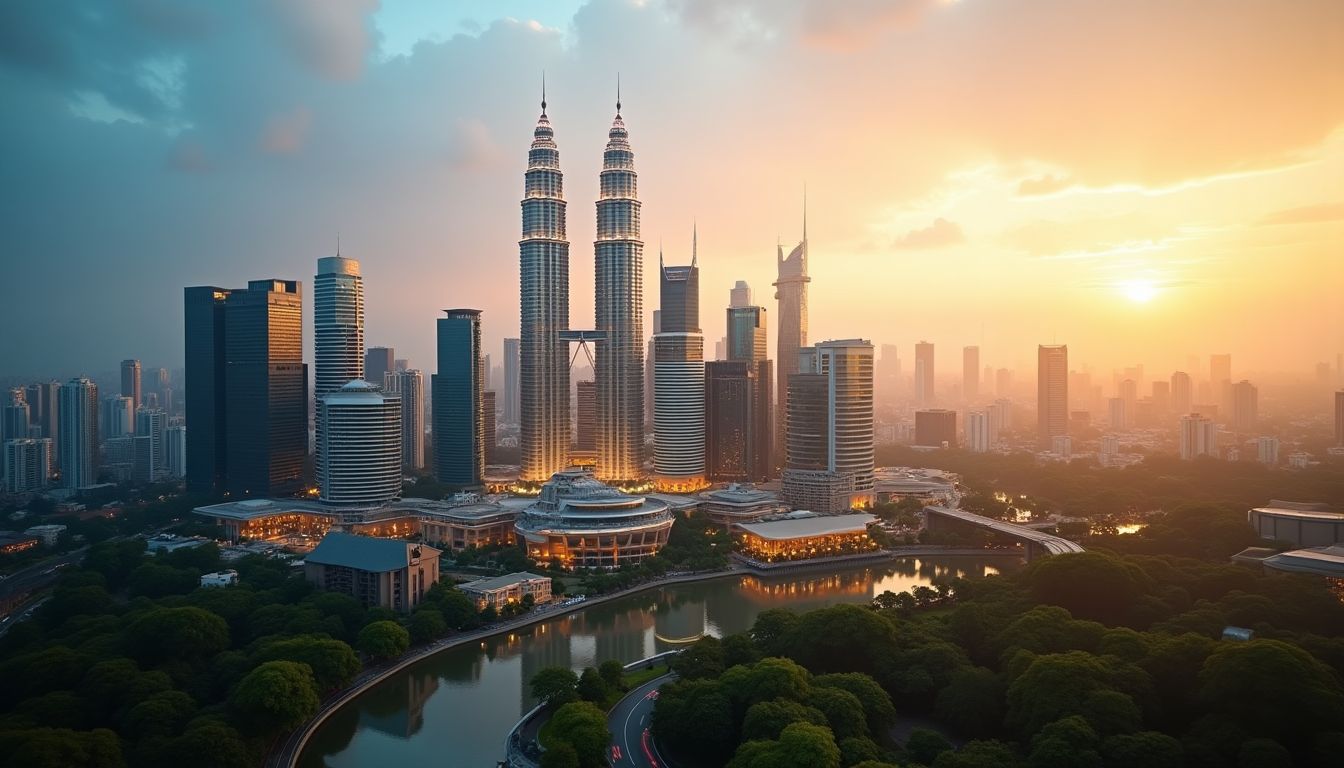
Three property stories broke into the Malaysian information stream within the same 48-hour window this week, and each one, taken alone, reads as routine market noise. Taken together, they describe something more deliberate: a measurable rotation in where Malaysian property capital is concentrating, how it is being packaged, and which governance risks are beginning to attract international attention.
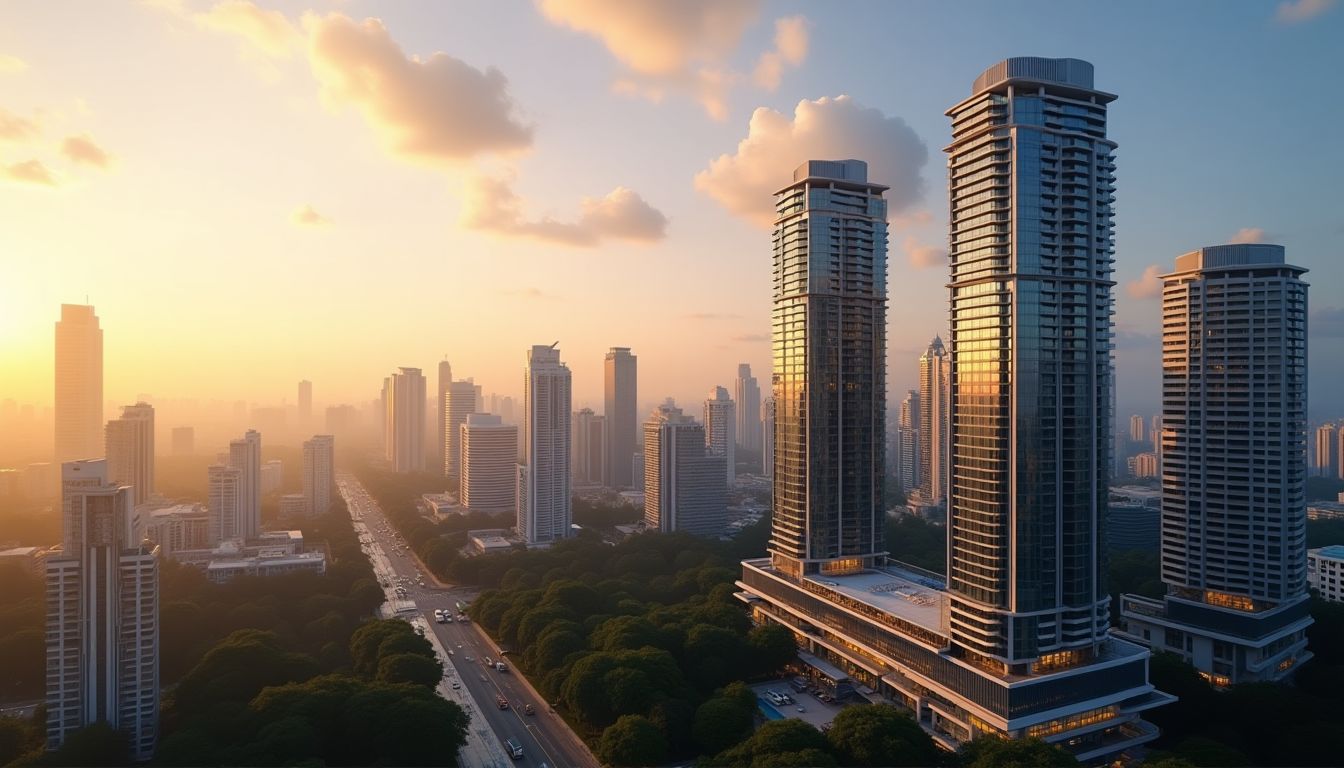
Start with the headline that most analysts will spend the least time on. OCR Group's forthcoming launch in Shah Alam — flagged as the developer's largest property project to date — is not just a scale story. Shah Alam has been quietly absorbing developer attention for the better part of three years, and the willingness of a mid-sized developer like OCR to commit its largest-ever land use to a single township signals something about where the demand gradient is running: westward along the Klang Valley corridor, into the RM500,000–RM800,000 price band that the market currently rewards.
According to NAPIC, the Selangor residential sub-market has consistently recorded stronger transaction volumes than Kuala Lumpur proper in recent quarters — a structural inversion that was largely invisible five years ago. OCR's bet is, in that light, less of a gamble than it appears.
Johor's Landbank Story Is Entering a New Chapter
Two hundred kilometres south, a different kind of land unlock is in progress. Genting Plantations' Johor Tech Smart City (JTSC) represents one of the more significant conversions of agricultural landbank into mixed-use development announced this year. JTSC is framed around tech and industrial tenancy, not residential towers — which distinguishes it immediately from the wave of Johor launches that chased the Forest City narrative and found limited takers.
The logic here is worth unpacking. Johor's proximity to Singapore has always been cited as a demand driver, but that proximity argument historically moved residential units more than it created productive commercial zones. What JTSC proposes — anchoring value through employer density, not bedroom count — borrows a page from the playbook that EcoWorld and Gamuda have applied in their respective industrial corridor developments. If the tech tenancy commitments materialise, the surrounding residential component gains a legitimate demand floor rather than a speculative one.
The risk, as it has always been in Johor, is execution timing. Landbank value is latent until infrastructure and occupier commitments align. Investors tracking this space should monitor tenancy announcements from JTSC closely over the next two to three quarters — that pipeline disclosure will be far more informative than the headline launch figures.
Sime Darby Property and the Institutionalisation of Malaysian Real Estate
The signal that received the least column space but arguably carries the most structural significance: Baker McKenzie's advisory role on Sime Darby Property's investment fund. The engagement of a firm of Baker McKenzie's calibre on a structured fund transaction signals that Sime Darby Property is not merely selling completed units — it is building mechanisms to recycle capital at the asset level, a practice that distinguishes mature real estate markets from emerging ones.
For Malaysian property, this matters. The availability of institutional-grade investment structures — REITs, private funds, project-level vehicles — determines whether foreign capital can enter the market at scale without requiring direct property ownership. SP Setia and IOI Properties have both experimented with asset monetisation strategies in recent years; Sime Darby Property's fund move suggests the sector's larger players are now treating capital structure as a competitive variable, not an afterthought.
Browse the transaction pipeline on iProperty and you will notice that the premium end of the market — the projects that require institutional confidence to move — has held price levels more firmly than the mid-market. That is partly a supply story, but it is also a reflection of who is buying, and how.
The Governance Shadow: Rosmah, Luxury Assets, and Reputational Exposure
No honest reading of this week's property signals is complete without addressing the story that was loudest by volume, if not by transactional weight. The police investigation into Rosmah Mansor's alleged involvement in the purchase of luxury US properties worth RM55 million, and separately, scrutiny of the Renaissance and Four Points hotels linked to the same network of scrutiny, does not represent a market-wide governance failure. But it does illustrate a risk that institutional investors underwrite carefully: the premium commercial property segment in Malaysia carries legacy ownership structures that can surface in due diligence in ways that complicate cross-border transactions.
For developers currently marketing to GCC or East Asian institutional buyers — and several major players including Mah Sing and Sunway have active regional outreach programmes — the reputational environment around Malaysian luxury real estate matters. Clean title chains, transparent ownership histories, and auditable transaction records are not differentiators in a mature market. In the current environment, they are table stakes.
What the Risk Map Actually Looks Like Right Now
Pulling these threads together, the Malaysian property market in June 2026 presents a more differentiated risk-return profile than the headline launch numbers suggest:
- The mid-market residential corridor — Shah Alam, Cyberjaya, Setia Alam — carries genuine demand momentum and developer confidence is following it.
- The Johor industrial-tech pivot is a credible second-act narrative for a sub-market that oversupplied residential product for a decade, but it requires occupier confirmation before landbank values reprice.
- Institutionalisation of capital structures is accelerating among tier-one developers, creating a bifurcation between projects that can attract fund-level capital and those that cannot.
- Governance and ownership transparency will become a more active due-diligence filter as Malaysian real estate integrates further with regional capital markets.
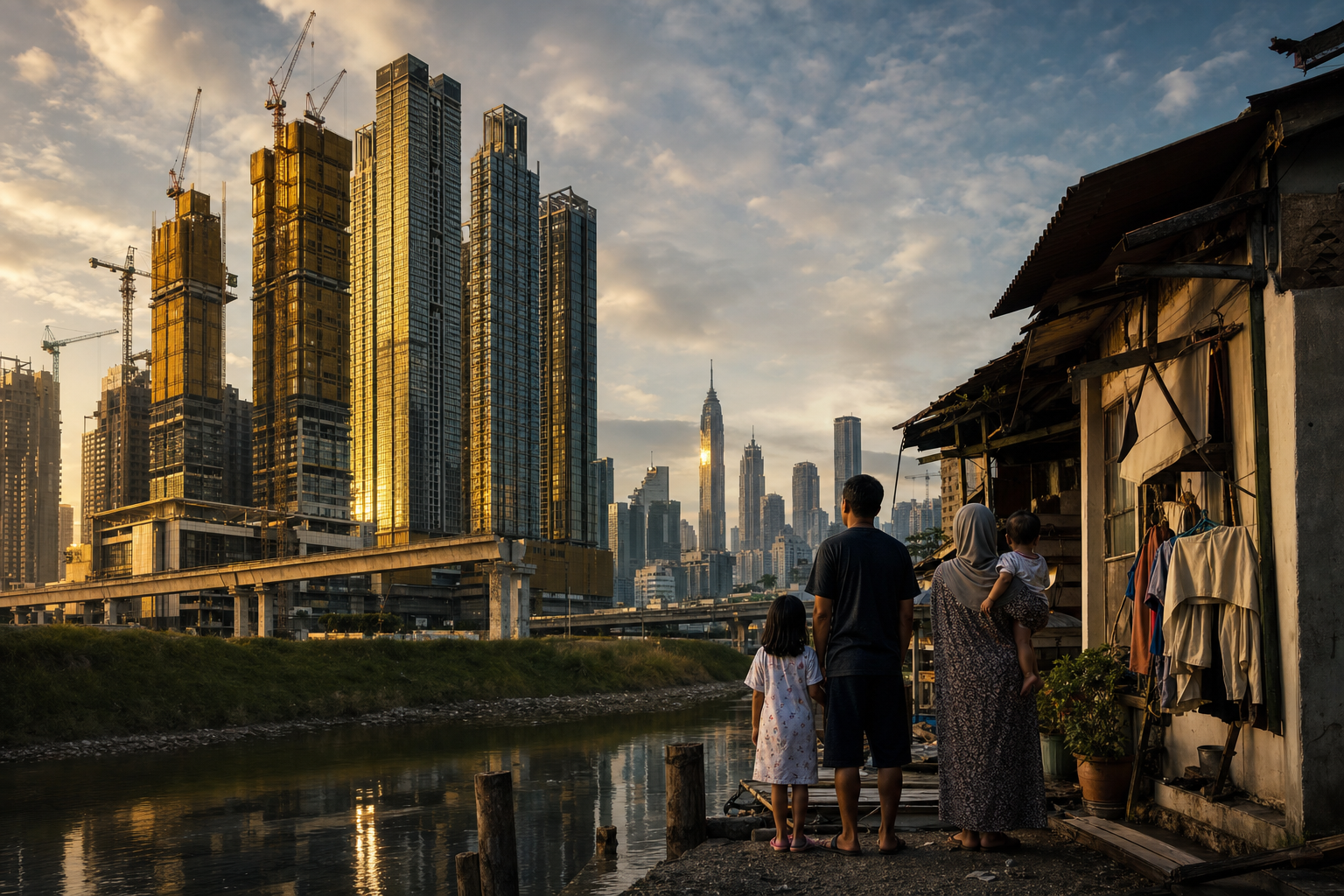
The developers who navigate this landscape well will be those who treat financial architecture and land strategy as equally important variables. The launches are real, and the demand is there. But the risk map has shifted — and reading it accurately is where the advantage sits.
Track Property trends in real-time at verbrol.com
Read more on Verbrol Intelligence:
- Malaysia's Property Market Is Splitting Into Two Worlds
- Malaysia's Property Market in June 2026: Three Forces Reshaping the Industry
- Malaysia's Property Market Is Splitting in Two — And the Gap Is Widening
Related Reading
- Malaysia's Property Sector Is Upgrading Its Infrastructure — And Its Ambitions
- Malaysia's Property Market in June 2026: Three Forces Reshaping the Industry
- Malaysia's Property Market Is Splitting in Two — And the Gap Is Widening
Frequently Asked Questions
Is Malaysia's property market really booming right now? Yes, Malaysia's property market is experiencing real growth, but the boom is shifting geographically and in terms of price segments rather than being uniform across all areas. Developers are increasingly focusing on western Klang Valley locations like Shah Alam and the RM500,000–RM800,000 price band, which suggests capital is concentrating in specific areas rather than the entire market.
Why is Shah Alam becoming popular for property development? Shah Alam has been quietly attracting developer attention for the past three years due to strong demand in the mid-range property segment. Major developers like OCR Group are now committing their largest projects to Shah Alam, signaling that this western Klang Valley corridor location offers the best growth potential and transaction volumes.
Is Kuala Lumpur still the hottest property market in Malaysia? No, Kuala Lumpur is no longer the strongest performing market—Selangor's residential sub-market has been recording consistently stronger transaction volumes than KL proper in recent quarters. This represents a significant structural shift in where Malaysian property investors and buyers are focusing their activity.
What price range are Malaysian property developers focusing on now? Malaysian developers are increasingly targeting the RM500,000–RM800,000 price band, which the market currently rewards with strong demand and transaction volumes. This mid-range segment, particularly in areas like Shah Alam along the Klang Valley, is where major developers are concentrating their capital and largest projects.