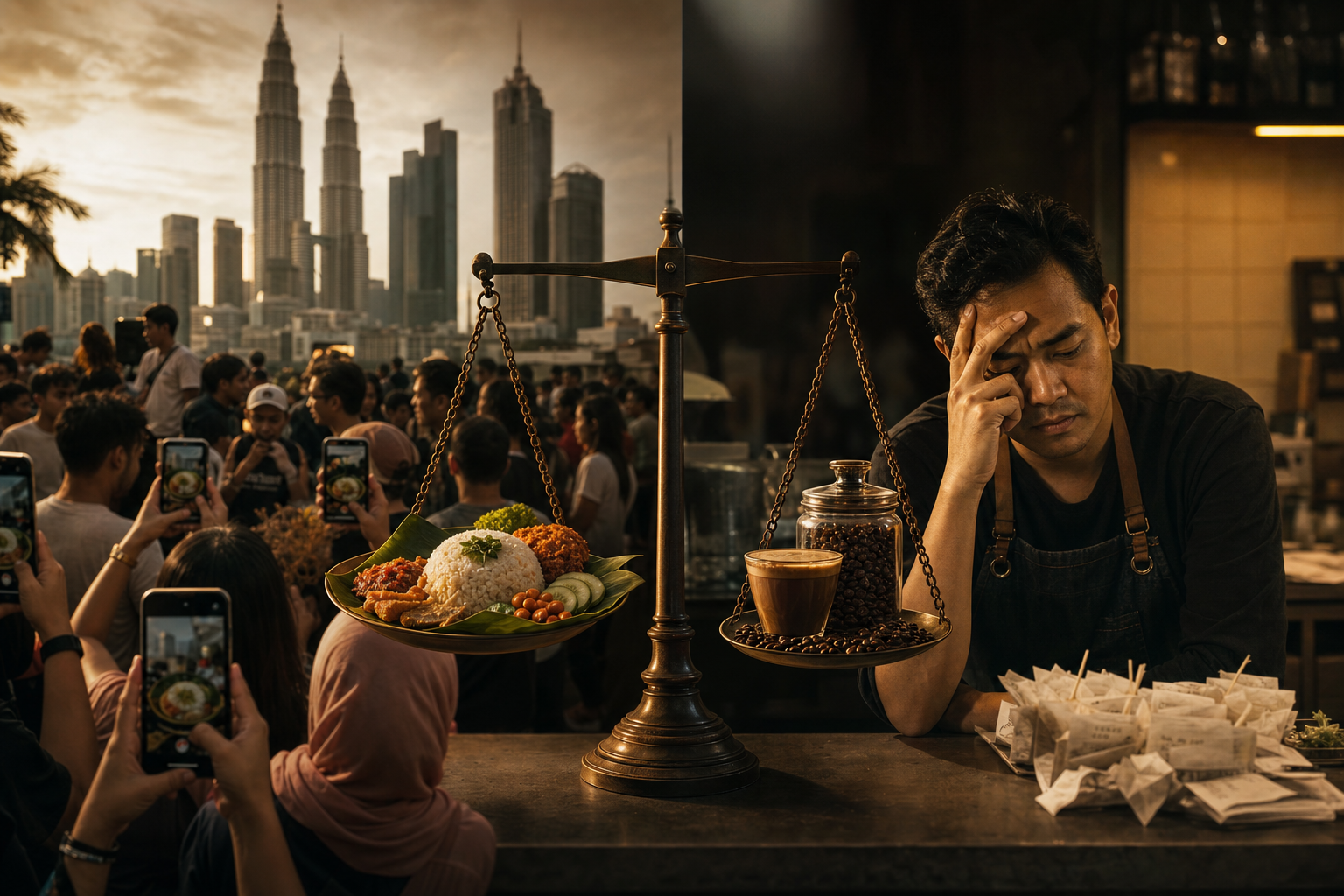
Pistachio on your nasi lemak, a trademark storm blowing in from Bandung, and a homegrown coffee chain planting its flag in Jakarta — the Malaysian F&B scene in mid-2026 is moving fast, and brand managers who blink will miss the moment.
What's the last food trend that genuinely surprised you — and how quickly did it show up on every menu in your neighbourhood before anyone could explain why?
That speed is the defining characteristic of the Malaysian F&B market right now. Ingredients go viral before food scientists can weigh in. Brand names become political footballs overnight. And expansion decisions that would once take years of boardroom deliberation are now being announced in the same news cycle as a scathing TikTok comment. If you're a brand manager, marketer, or agency professional working in this space, the rulebook you were trained on is already out of date.
Here is your practical field guide to what's actually happening — and what to do about it.
The Pistachio Pivot: When a Trend Outpaces the Menu
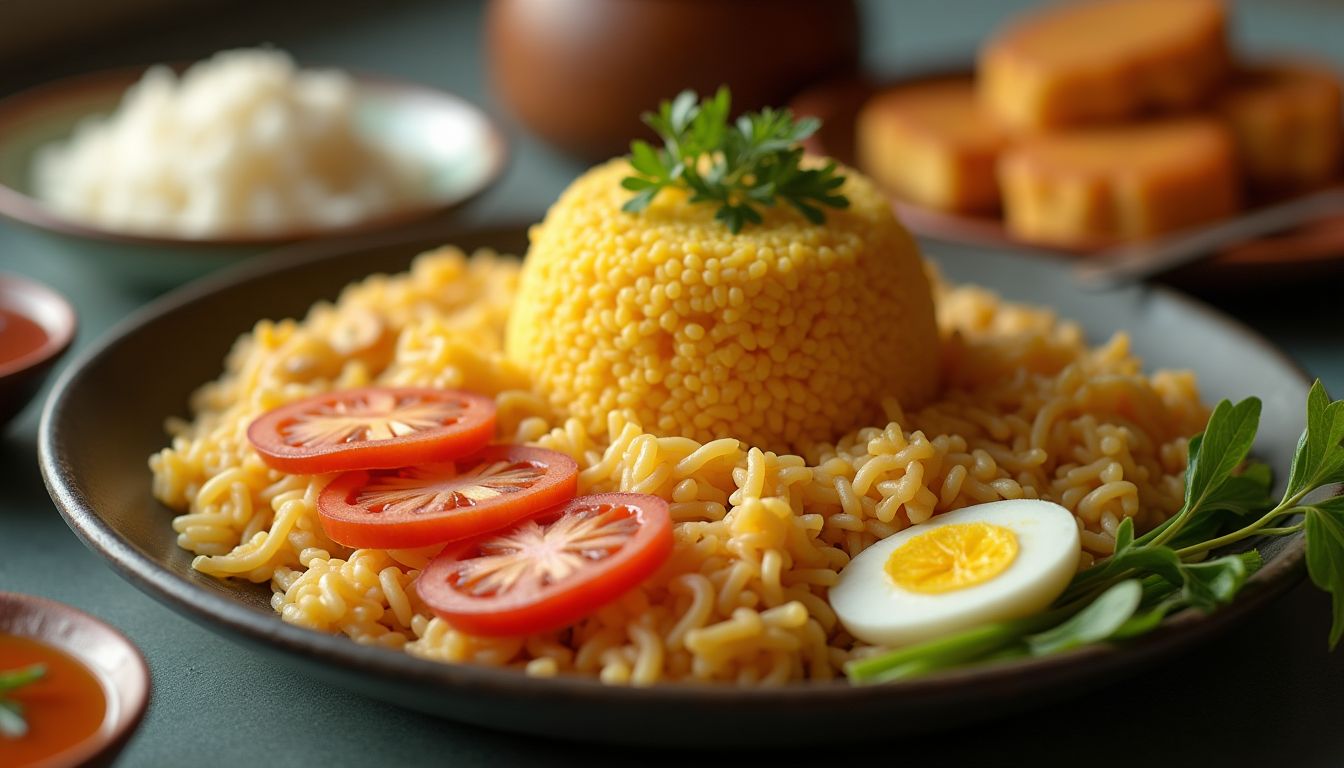
Let's start with the ingredient everyone is suddenly putting on everything. The pistachio — or pistasio as it's commonly spelled in local food media — has gone from a premium snack to an all-menu modifier seemingly overnight. Catfish, chicken, nasi lemak, matcha drinks: if it exists on a Malaysian menu, someone has already added pistachio to it and filmed the reaction.
The conversation around the pistachio and matcha trend sweeping Malaysian menus is still unfolding in real time, and the public sentiment is genuinely split — excitement from food adventurers, eye-rolls from purists, and serious questions from chefs about whether this is creativity or just noise.
For brand managers, the real question isn't should we add pistachio? It's what does adding pistachio signal about our brand positioning? There is a meaningful difference between a boutique café in Bangsar that drops a limited pistachio keli bakar because their chef has been developing it for three months, and a chain restaurant that slaps "Pistachio Edition" onto an existing dish because it's trending on Instagram. Consumers — especially Gen Z — are increasingly fluent in spotting the difference.
Actionable takeaway: Before chasing any ingredient trend, map out your brand's food philosophy. If the trend is consistent with it, move fast and own it loudly. If it isn't, let it pass. Chasing every wave is a positioning strategy only if "no clear identity" is the identity you want.
The Cross-Border Brand War Nobody Expected to Learn From
The Chikuro situation is the most instructive brand case study in Malaysian F&B this month, even though — or maybe because — it didn't start here.
Chikuro, a chicken roll brand originating from Bandung, Indonesia, found itself at the centre of a cross-border trademark dispute after claims surfaced that the name was being used in Malaysia without authorisation. The YouTube conversation around this reached an engagement rate that dwarfed most other food content this week — one video alone pulling 127 interactions on the trademark issue, with another touching 783 on the broader question of Malaysian-produced Indonesian brands. The underlying tension: when a brand name isn't properly registered as a trademark in multiple markets, it becomes a liability for everyone, including the original owner.
The comment threads are instructive. Indonesian creators were quick to distinguish between brand names and food categories — pointing out that Chikuro is a trademarked brand, not simply a description of a chicken roll. Malaysian commenters were meanwhile navigating the nuance between cultural appreciation and commercial appropriation.
This matters enormously for Malaysian F&B brands looking at regional expansion. Sagtec Global's recent acquisition of a 40% stake in Malaya Heritage Holding to expand F&B technology solutions across the region signals that serious institutional money is moving into exactly this cross-border infrastructure. The brands that win regionally will be the ones that have done their legal homework before the viral moment forces the conversation.
Actionable takeaway: If you have a brand name that resonates locally, register it as a trademark in every market you're even thinking about entering. The cost of registration is nothing compared to the reputational cost of a public dispute amplified by 127 YouTube comments and counting.
Expansion Season: Who's Moving, and Why It's Getting Crowded
While the controversy cycles spin, the expansion news keeps coming — and it's arriving from multiple directions simultaneously.
India Gate restaurant is targeting 30 branches across Malaysia within two years, with a sharp focus on Johor and Penang. ZUS Coffee — the Malaysian brand that built its identity on being the smart, accessible alternative to Starbucks Malaysia — has now landed in Indonesia, with early content around the Jakarta launch already generating buzz. And on the trade front, KUSKOP is targeting RM20 million in potential sales from THAIFEX-Anuga Asia 2026, which suggests government-backed appetite for pushing Malaysian F&B exports harder than ever.
This is a market that The Edge Malaysia has described as increasingly tough for new entrants — and they're right. The challenge isn't market size. Malaysia's food culture, already celebrated on Tourism Malaysia's pages as a core visitor draw, generates genuine, sustained international interest. The challenge is differentiation in a landscape where pistachio matcha lattes and chicken rolls from Bandung can become flashpoints within 48 hours.
For brands like Old Town White Coffee or Secret Recipe — both of which have navigated long-haul regional presence — the lesson is consistent brand storytelling across markets, not just menu replication. Time Out KL's ongoing coverage of the local dining scene regularly reflects how Kuala Lumpur's food audience rewards specificity: the best version of a thing, not just another version of everything.
Actionable takeaway: If you're expanding, lead with your origin story, not just your menu. ZUS Coffee didn't succeed by being another coffee shop — it succeeded by being specifically Malaysian about how it thought about coffee accessibility. That identity travels. Generic doesn't.
Content, Creators, and the Pagi Sore Effect
The boycott conversation around Restoran Pagi Sore — a Malaysian-operated Padang food restaurant — is a masterclass in how quickly sentiment can crystallise around a single brand incident. The story spread through YouTube comment threads and cross-border news coverage, drawing in everything from questions of national dignity to practical debates about whether the food itself is worth the politics.
What's striking from a content strategy perspective is how organic this all is. No campaign manager planned it. No influencer brief triggered it. This is raw, user-generated brand scrutiny operating at speed — and it's increasingly the environment every F&B brand in Malaysia is operating in.
For brands working with creators on campaigns, the implication is clear: Creamatch, Malaysia's managed creator content platform, has been pointing to this for a while — the gap between a brand's official content and what creators say about that brand in organic conversation is where reputation is actually made. Managed creator relationships, where there is genuine alignment between the creator's voice and the brand's values, hold up better under pressure than one-off paid posts.
The Verbrol Pulse tracking of this week's F&B conversations shows that boycott-adjacent content consistently outperforms straightforward food review content in engagement — not because Malaysian audiences are looking for conflict, but because food in Malaysia is deeply personal. It's identity, it's family, it's memory. Brands that understand this build real loyalty. Brands that ignore it find out the hard way.
Actionable takeaway: Brief your crisis communications team before you need them. Map out the scenarios — a cross-border trademark claim, a staff incident filmed on a customer's phone, a viral comment about ingredient sourcing — and know what your brand's response posture looks like before the moment arrives. Speed and authenticity together are the only currency that works in these situations.
What Comes Next
Mid-2026 is proving to be a genuinely consequential moment for Malaysian F&B. The trends are real, the risks are real, and the opportunities for brands that move with intention rather than reaction are equally real.
The pistachio will eventually make way for the next viral ingredient. The trademark conversations will settle into better legal frameworks as more Malaysian brands expand regionally. The expansion boom will shake out into winners and cautionary tales. But the underlying dynamic — that social media has permanently collapsed the distance between brand action and public verdict — is not going anywhere.
The brands that will be remembered well from this era are the ones that treated every menu decision, every expansion announcement, and every creator partnership as a statement of who they are. Not just what they sell.
Track F&B trends in real-time at verbrol.com
Read more on Verbrol Intelligence: