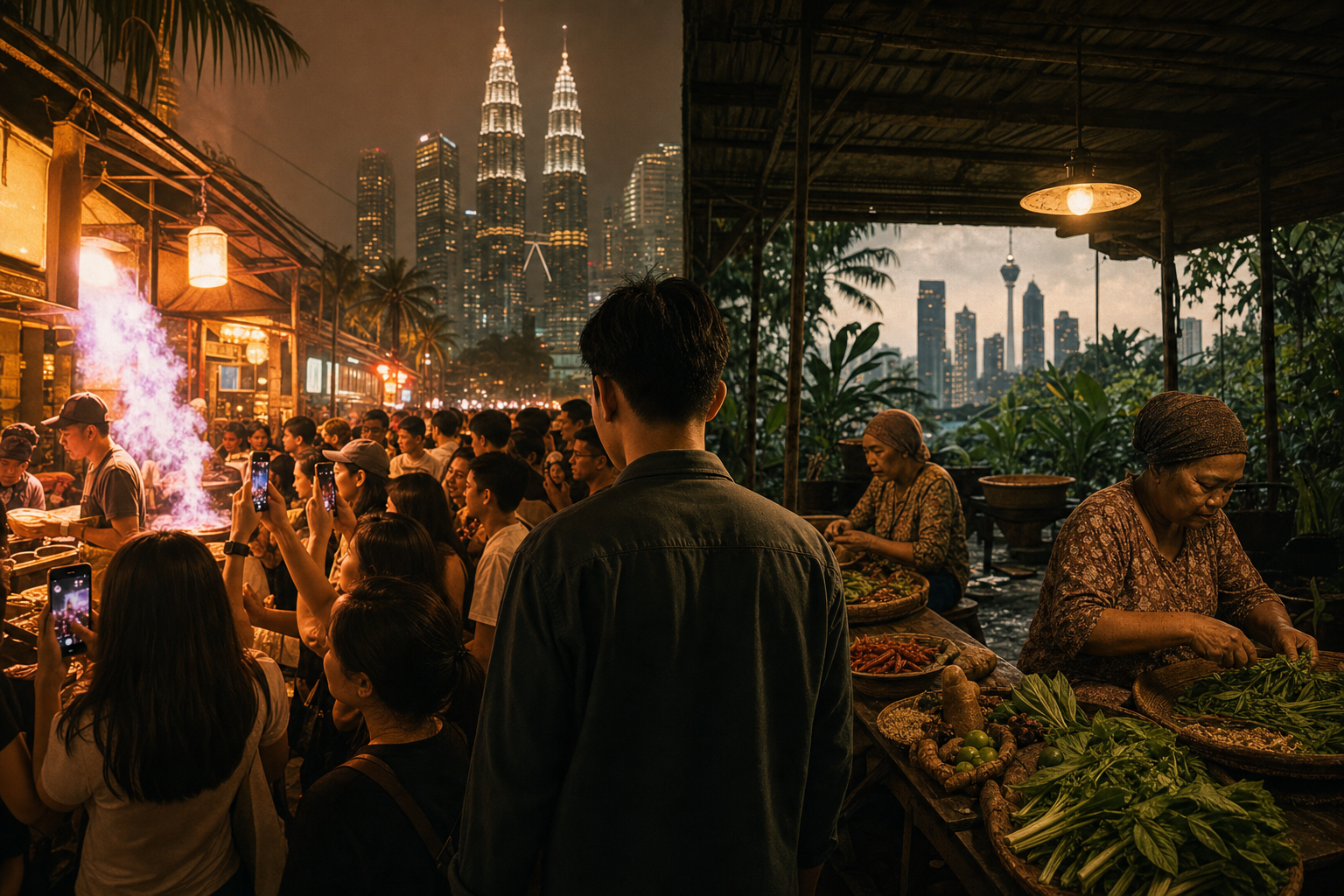
Malaysia's food scene has never been more alive — or more complicated. Between viral ingredient obsessions, cross-border brand tensions, and serious investment money flowing in, the industry is at a genuine inflection point.
Malaysia's most-discussed food trend right now isn't a dish. It's a nut.
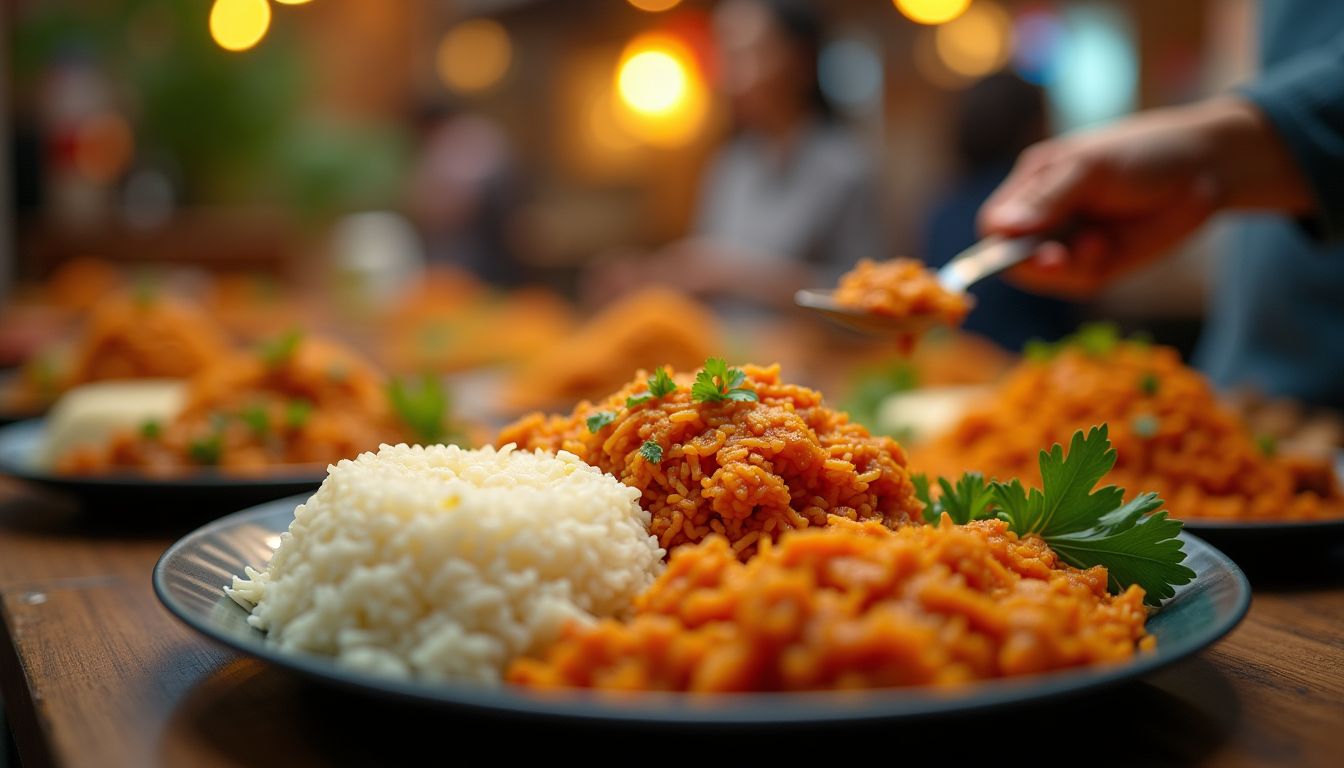
Pistachio — or pistasio as it's appearing across Malay-language menus and social feeds — has made its way into keli bakar, ayam gepuk, and yes, even nasi lemak. And while food lovers are divided on whether it belongs anywhere near a rempah base, the ingredient's viral spread tells a bigger story about how Malaysian F&B brands are growing right now: fast, reactive, and sometimes at the expense of a clearer identity.
This is a market worth paying attention to. According to Statista, revenue from Malaysia's food and beverage services industry has grown significantly through the early 2020s, with the sector bouncing back hard post-pandemic. Investment appetite is following suit — deal activity in Malaysian F&B has been rising steadily, with more institutional money looking at homegrown chains, franchise concepts, and café brands than at any point in the past decade.
But money and momentum don't automatically translate into brand clarity — and right now, that gap is showing.
When "Trending" Becomes a Strategy (And Why That's Risky)
The pistachio phenomenon is a useful case study. What started as a premium dessert topping — the kind you'd find at an artisanal café in Mont Kiara — has rapidly cascaded into hawker stalls and fast-casual menus across the country. Matcha has followed the same trajectory. Both ingredients are appearing in combinations that, to put it diplomatically, are generating strong opinions online.
This isn't unique to Malaysia. But in a market where F&B brands are competing fiercely for social media real estate, the pressure to ride each trending ingredient is intense. The risk is that menus start to feel like mood boards rather than culinary identities.
For brand managers, this is worth internalising: consumer attention is not the same as consumer loyalty. A pistachio nasi lemak post might spike your engagement for a week. It won't build the kind of repeat footfall that sustains a restaurant through a slow quarter.
Brands like Secret Recipe and Old Town White Coffee have managed decades of relevance precisely because their core identity is legible — you know what you're getting, and that consistency is the product. Reactive menu innovation works best when it's layered on top of that foundation, not substituted for it.
The Cross-Border Brand Tension Nobody in F&B Can Ignore
The most combustible conversation in Malaysian F&B this week isn't about food at all — it's about ownership.
The Chikuro controversy — a Bandung-origin chicken roll brand whose name was referenced in a Malaysian context in ways that Indonesian netizens read as a claim of ownership — generated the highest engagement of any F&B-related content tracked in recent days, with one video alone pulling 127+ interactions and another crossing 783 on a related Indomie-Malaysia production discussion. These numbers might seem modest in isolation, but in the context of niche F&B discourse, they signal a genuinely heated sentiment.
Separately, the Restoran Pagi Sore incident — where Malaysian customers alleged mistreatment at an Indonesian restaurant — sparked calls for a targeted boycott, with commenters carefully distinguishing between rejecting nasi padang cuisine (which they explicitly said they were not doing) and rejecting a specific establishment. Several videos noted that Sarawak travel groups were rerouting planned Bandung trips to Shanghai instead.
For F&B brands operating across the Malaysia-Indonesia corridor — and there are many, given how deeply intertwined the two markets are — this is a live nerve. The lesson for brand managers is clear: provenance storytelling matters, and it needs to be honest. Consumers in both markets are paying attention, and the cost of getting it wrong is a viral news cycle, not just a bad review.
On a more optimistic note, these tensions also highlight the genuine appetite for cross-border F&B concepts when they're handled with respect. Tourism Malaysia has long positioned the country's multicultural food heritage as a drawcard — and that heritage is genuinely compelling. The opportunity is to lean into authentic culinary storytelling rather than trend-chasing or ambiguous borrowing.
Expansion Is Real — But So Is the Competition for Every Corner
Amid the cultural noise, the structural story in Malaysian F&B remains one of ambitious growth.
India Gate, the authentic Indian restaurant chain, has publicly committed to reaching 30 branches nationally, targeting Johor and Penang as priority markets. That's a significant rollout plan in a segment — sit-down Indian cuisine — that hasn't always attracted franchise-scale investment.
Meanwhile, ZUS Coffee is now expanding into Indonesia, with recent content about its Jakarta West launch surfacing across YouTube. That's a meaningful milestone: a homegrown Malaysian café brand going outbound into Southeast Asia's largest market. It follows the playbook that Tealive has executed across the region, and it signals that Malaysian F&B brands are no longer just defending domestic turf — they're actively exporting.
The Grab 5-Star Eats Awards 2025 are also generating consumer engagement around categories like Best Nasi Lemak, reflecting how delivery platforms are now active shapers of F&B brand visibility — not just logistics providers. For brands still treating GrabFood and Foodpanda as afterthoughts, that's a strategic blind spot worth addressing.
For context on how Malaysian F&B brands are competing for this expanding consumer base, The Edge Malaysia's special report on the F&B battle for Malaysian taste buds is required reading — it captures just how crowded and contested the middle market has become.
What This Means for F&B Brands Right Now
If you're managing an F&B brand or advising one, here's what the current signals are actually telling you:
- Trend adoption needs a filter. Pistachio on your menu is fine. Pistachio as your identity is a problem. Ask whether the innovation reinforces your brand's story or just borrows someone else's.
- Cross-border sensitivities are a real business risk. The Chikuro and Pagi Sore incidents are reminders that in a socially connected region, cultural missteps travel fast. Invest in provenance clarity and respectful storytelling.
- Expansion is table stakes, but differentiation is the moat. With chains like India Gate scaling aggressively and homegrown café brands like ZUS going regional, the mid-tier is getting crowded fast. Brand distinctiveness — not just footprint — is what will separate winners from casualties.
- Creator-led content is shaping perception at scale. Much of the current F&B conversation is being driven by YouTube and social creators, not press releases. If your brand isn't working with the right voices, you're ceding the narrative. Platforms like Creamatch, Malaysia's managed creator content platform, offer a structured way to connect F&B brands with relevant creators who can tell authentic stories to the right audiences.
The Malaysian F&B industry is in a genuinely exciting phase — real investment, real regional ambition, and a consumer base that is both adventurous and opinionated. The brands that will win aren't necessarily the ones with the longest menus or the most branches. They're the ones that know what they stand for — and can communicate it clearly, even when a shiny new ingredient is trending.
For ongoing analysis of what's moving in Malaysian F&B, the Verbrol Pulse tracks real-time social and news signals across the region, and Time Out KL's food coverage remains one of the sharpest lenses on what's actually resonating at street level.
Track F&B trends in real-time at verbrol.com
Read more on Verbrol Intelligence: