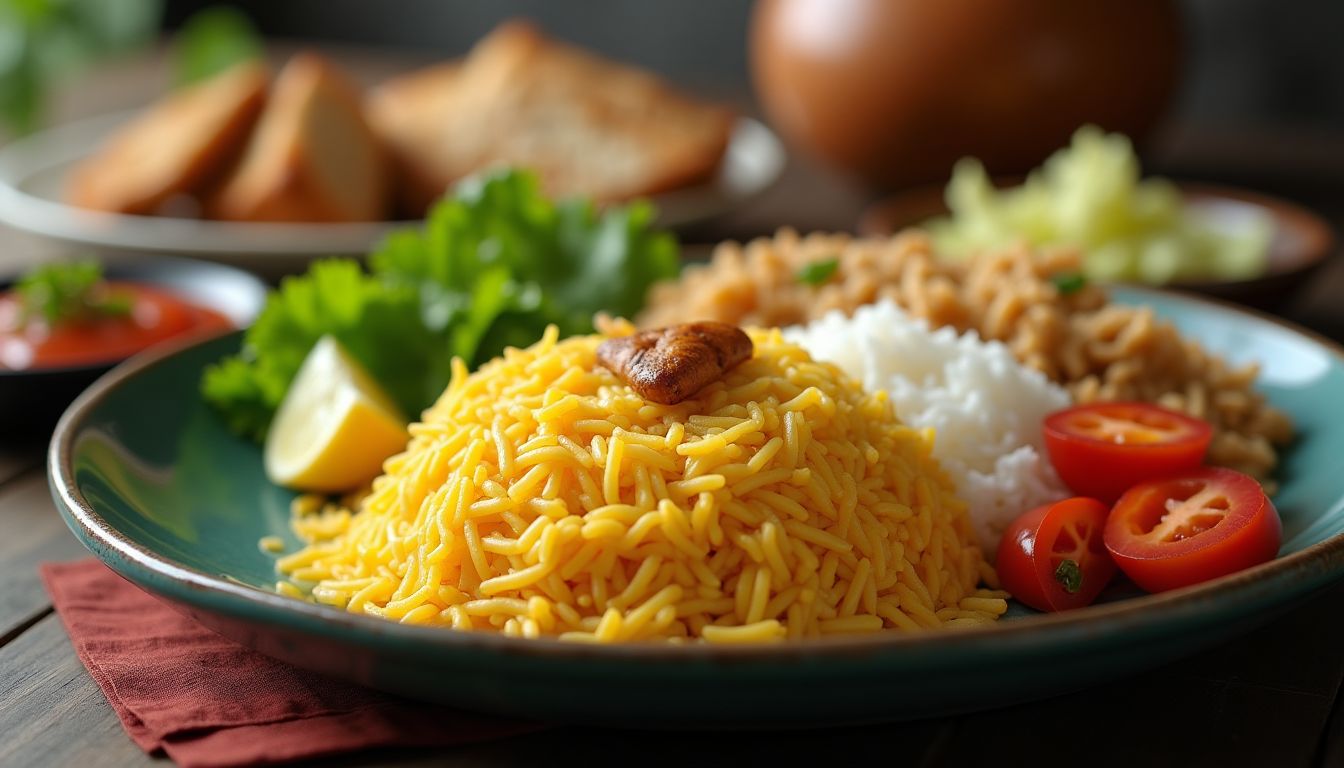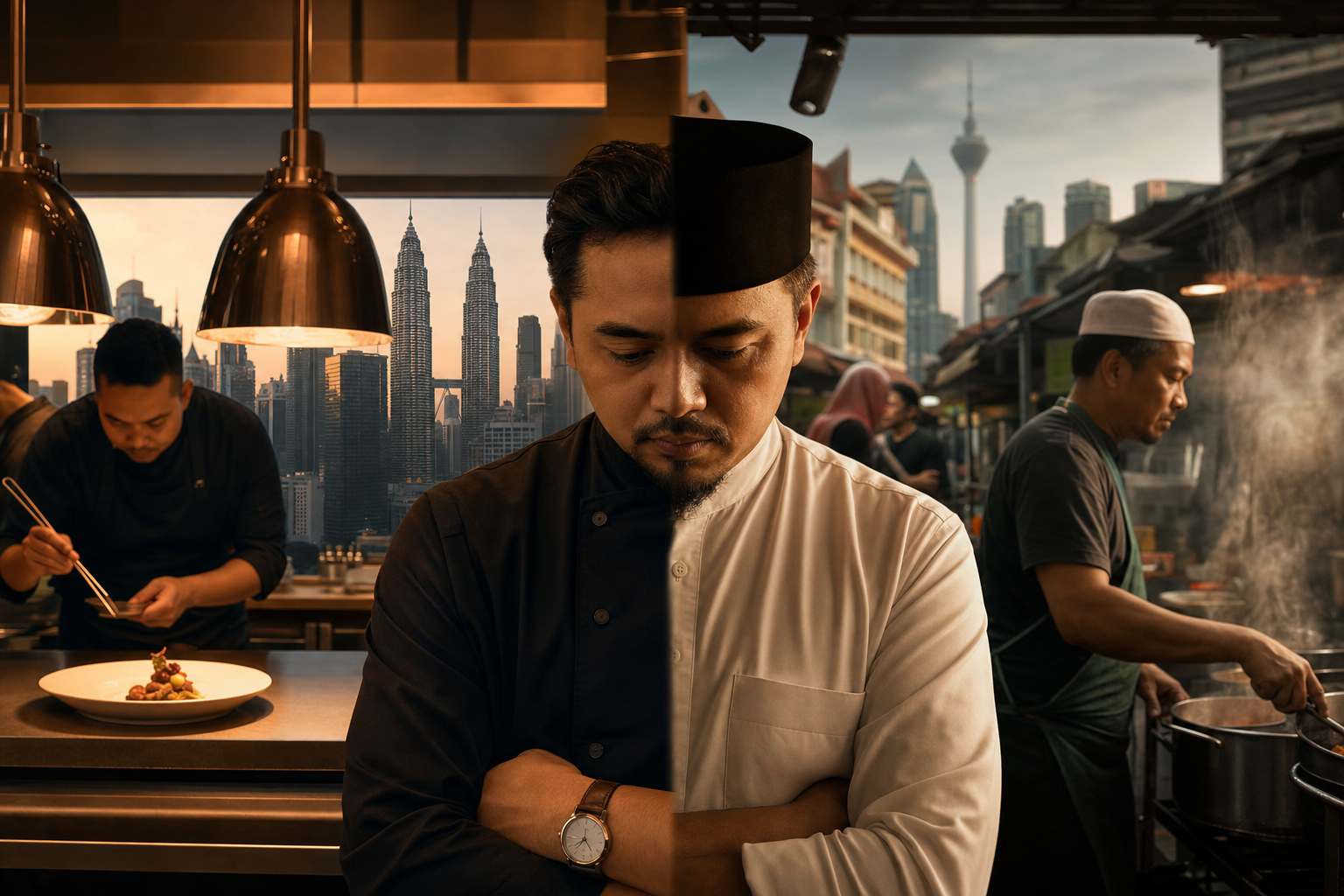
Malaysia's food scene is landing MICHELIN stars with one hand and pulling halal certifications with the other — and both headlines are telling the truth.
Is Malaysian F&B in its golden era, or is the floor cracking beneath the glitter?
Ask anyone who queued for a table at Khairul Aming's Rembayung on opening weekend, and they will say: golden era, absolutely. Ask the coffee and biscuit manufacturers whose halal certificates were revoked this week after pig-bristle brushes were found in their production lines, and you will get a very different answer. Both groups are describing the same industry, in the same country, in the same month.
That tension — between genuine excellence and genuine fragility — is the most important thing to understand about Malaysia's F&B market in mid-2026. Not the revenue charts. Not the Instagram aesthetics. The tension.
The Recognition Is Real, and So Is the Pressure Behind It
The MICHELIN Guide Kuala Lumpur & Penang 2026 dropped its newly awarded restaurants list this week, and the celebration was immediate. Rightly so. Malaysia's fine-dining and heritage-cooking scenes have earned their place on the global table — literally. From the Chinese restaurants earning recognition in Penang to the modern Malaysian kitchens redefining what "local" means on a tasting menu, there is serious culinary talent being validated at the highest level.
But validation from a French tyre company's restaurant guide, however prestigious, does not automatically translate into a healthy industry ecosystem. According to Statista, revenue from Malaysia's food and beverage services industry grew steadily from 2014 through 2023, but those aggregate numbers mask enormous variation between winners and casualties. The brands eating well are eating very well. Everyone else is navigating razor-thin margins, rising ingredient costs, and a consumer base that is simultaneously more sophisticated and more price-sensitive than ever.
The MIFB trade fair — now under new ownership after One International Group's acquisition — signals that trade infrastructure investment is still flowing into the sector. But investment and profit are different conversations.
Trust Is the Variable Nobody Prices In
This week delivered two trust earthquakes that every F&B brand manager in Malaysia should be studying carefully.
First: JAIM (Jabatan Agama Islam Melaka) revoked halal certification from a coffee factory and biscuit manufacturer after pig-bristle brushes were discovered in use on the production line. The products were immediately ordered off shelves. For a Muslim-majority market where halal certification is not a premium feature but a baseline expectation, this is not a compliance story — it is a consumer confidence story. Every other halal-certified F&B brand absorbed a small fraction of that doubt whether they deserved to or not.
Second: a nasi kandar restaurant went viral after a video appeared to show food being recycled. The owner's explanation — that leftover food was washed for animal feed — may be entirely true, but the damage lands before the clarification. In an era of 15-second videos and zero-friction sharing, the accusation travels faster than the context.
And then there was the maggot-in-fried-chicken incident that went international, picked up by NDTV Food and shared across Southeast Asian social feeds. Malaysian restaurants are now being watched by an audience far beyond their dining rooms.
These are not isolated hygiene failures. They are signals of a structural trust gap that is widening as consumer scrutiny — amplified by social media — outpaces industry self-regulation. Brands like Old Town White Coffee and Secret Recipe, which have built decades of consumer trust through consistency, understand intuitively what newer entrants are learning painfully: in food, trust is not marketing. It is the product itself.
The Creator Economy Is Reshaping Who Gets Heard — and Who Should Be Believed
Malay Mail raised a question this week that has been sitting quietly under the surface of Malaysia's food media ecosystem for years: are influencer food reviewers actually reviewers, or are they marketing placements with an aesthetic filter?
It is a fair and important question. The F&B battle for Malaysian taste buds is increasingly fought not in the restaurants themselves but in the feeds of creators with a few hundred thousand followers and a standing arrangement with the PR agency. The disclosure norms are inconsistent. The audience trust, for now, remains — but it is not unlimited.
What Khairul Aming's Rembayung opening demonstrates is what genuine creator-to-community trust actually produces: a restaurant that sold out before most people had even seen the menu, driven by an audience that has followed his cooking journey for years without ever questioning his sincerity. That is earned attention, not bought reach.
For brand managers thinking about how to navigate this landscape, the distinction matters enormously. Platforms like Creamatch — a managed creator content platform operating in the Malaysian market — are building infrastructure around this exact problem: matching brands with creators whose audiences are genuinely aligned, not just numerically large. In a market where one poorly disclosed paid review can trigger a backlash, the quality of the creator relationship is the risk management strategy.
ZUS Coffee and Tealive have both built significant creator relationships as part of their growth stories. The difference between those that worked and those that backfired is almost always the same variable: authenticity of fit, not size of following.
The Expansion Stories Worth Watching
Beyond the noise, there are genuine expansion signals worth tracking. India Gate, an authentic Indian restaurant brand, is targeting 30 branches across Malaysia with focus on Johor, Penang, and the Klang Valley. Encik Tan has opened its first Malaysian outlet in Subang. These are not headline-grabbing moments, but they are the kind of steady market-entry activity that defines where category growth is actually heading.
The story of Pakdin — the entrepreneur from Tampin who moved from printing to wedding photography to vape juice before building Nasty Worldwide into a brand present in 72 countries with international awards — is a useful reminder that Malaysia's best F&B and consumer brand stories rarely start at the top. They start in the margins and scale through product obsession and timing.
Verbrol intelligence tracked this pattern clearly across the Southeast Asian market: the brands that are winning in 2026 are not winning on distribution alone. They are winning on a combination of product integrity, creator trust, and supply chain discipline — three things that cannot be faked at scale.
What This Means for Brand Managers Right Now
If you are managing an F&B brand or advising one in Malaysia, the signals from this week converge on three actionable conclusions:
-
Halal integrity is non-negotiable infrastructure. The JAIM revocation is a reminder that compliance audits need to be proactive, not reactive. The reputational cost of a single failure now vastly exceeds the operational cost of rigorous self-auditing.
-
Creator partnerships need accountability frameworks. The influencer credibility debate is not going away. Brands that invest in transparent, well-structured creator relationships — through platforms built for that purpose — will be better positioned when the consumer backlash against opaque paid reviews intensifies.
-
MICHELIN recognition is a marketing asset, not a business model. The restaurants earning stars still need to fill seats on Tuesday nights. The recognition creates a window; what you do with the window is still entirely up to you.
Monitor how category trust shifts in real time, not just when the crisis lands in your feed. Track Verbrol Pulse for ongoing signals across the Malaysian F&B market — the difference between catching a trust signal early and reading about it in a crisis post-mortem is usually about 48 hours.
Malaysia's food industry is not in crisis. But it is in a moment that will separate the brands with genuine foundations from the ones that have been coasting on aesthetics and good timing. The MICHELIN stars and the halal revocations are both part of the same story. Read them together.
Track F&B trends in real-time at verbrol.com
Read more on Verbrol Intelligence: